





The Nolan Blueprint
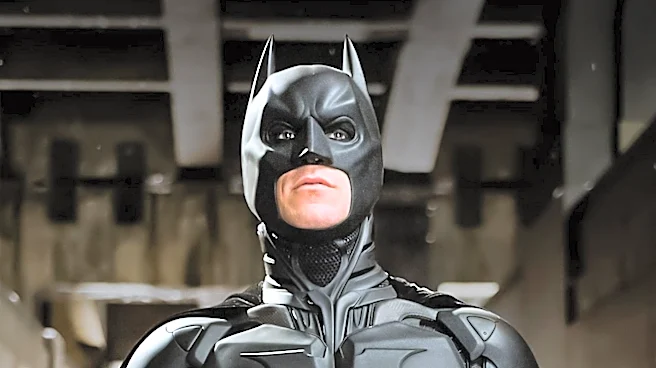
First, let's define our terms. When we say a film is "Nolan-esque," we're talking about a specific brand of blockbuster. These are movies built like puzzle boxes, often featuring non-linear timelines, labyrinthine plots, and heady philosophical themes.
Think of the dream-within-a-dream structure of Inception or the time-inverting logic of Tenet. Nolan is a master of scale, favoring practical effects and IMAX grandeur to create a visceral, almost architectural, cinematic experience. His protagonists are often brilliant, emotionally guarded men consumed by a mission, driven by grief or guilt. Common criticisms, however, point to a certain coldness, an accusation that his films are all brain and not enough heart, prioritizing intellectual concepts over emotional connection.
The Soul of The Odyssey
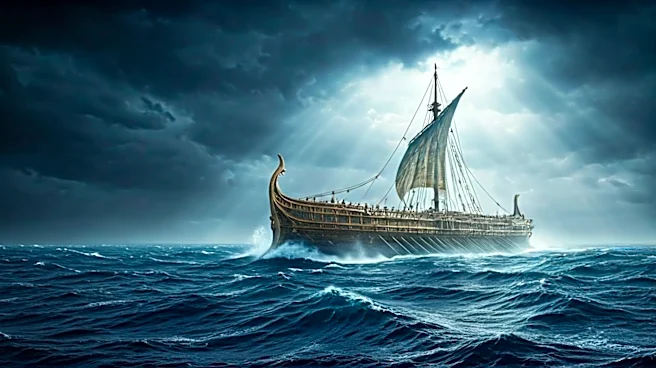
Homer's epic, by contrast, is all heart. While it's an adventure of immense scale, its power doesn't come from the size of the Cyclops's cave but from the depths of human feeling. At its core, The Odyssey is about the desperate, aching longing for home. It’s a story about resilience, identity, grief, and the psychological toll of a long war. We first meet Odysseus not as a fearsome warrior, but as a man weeping on a shore, consumed by homesickness. His defining trait isn't brute strength but cunning—the triumph of mind over might. The story's central conflicts are deeply personal: a wife, Penelope, fending off entitled suitors with her wits, and a son, Telemachus, trying to grow into a man in his father's long shadow. The monsters and gods are formidable, but they serve to amplify the very human story of suffering, loyalty, and the struggle to return not just to a place, but to oneself.
Where Scale and Logic Fail
Herein lies the potential mismatch. Applying a strictly logical, puzzle-box narrative to a mythic story risks stripping it of its magic. Trying to "explain" Circe's magic with some sci-fi contrivance or depicting the Underworld with sterile realism would miss the point. Mythical adaptations often fail when they modernize the source material's values or try to ground unexplainable wonders in gritty reality. A non-linear timeline, a Nolan trademark, could easily obscure the simple, propulsive force of Odysseus's journey home. If the audience is too busy trying to solve the plot, they might not feel the emotional weight of Odysseus’s ten-year struggle. The danger is a film that impresses the mind but leaves the heart untouched, a common complaint from so-called "Nolan skeptics" who find his work technically brilliant but emotionally exhausting or empty.
The 'More' That It Needs
So what is the "more" that The Odyssey demands? It's emotional intimacy and a genuine sense of wonder. The story isn't about the physics of Scylla and Charybdis; it's about the terror of navigating an impossible choice. It's not about the logic of the Lotus-Eaters; it's about the seductive peril of forgetting what you love. An adaptation needs to prioritize Odysseus's internal journey—his trauma, his desperation, his flashes of hubris—over the external spectacle. It needs a filmmaker who is as interested in the look on Penelope’s face as she unravels her weaving as they are in staging a massive battle sequence. Winning over the skeptics wouldn't mean abandoning scale, but rather ensuring that the spectacle serves the human emotion, not the other way around. The grandest special effect in an Odyssey movie should be the raw, unfiltered feeling of a man, against all odds, finally coming home.