




The Allure of the One-of-a-Kind Gown
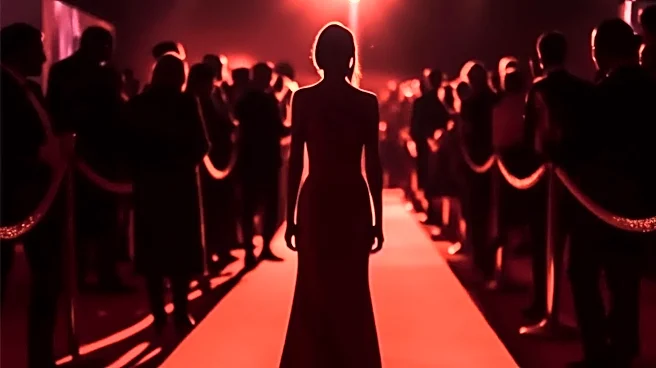
In a sea of contemporary couture, a vintage piece tells a story. Choosing to wear a reworked garment isn't just an eco-conscious decision; it's a powerful style statement. Celebrities and fashion insiders are increasingly embracing archival and upcycled
looks on red carpets, proving that sustainability and glamour can go hand-in-hand. Opting for vintage ensures your look is entirely unique, possessing a character and quality of craftsmanship that's often hard to find in modern off-the-rack clothing. It’s about celebrating timeless design while creating a fresh fashion moment that is all your own.
Hunting for the Perfect Raw Material
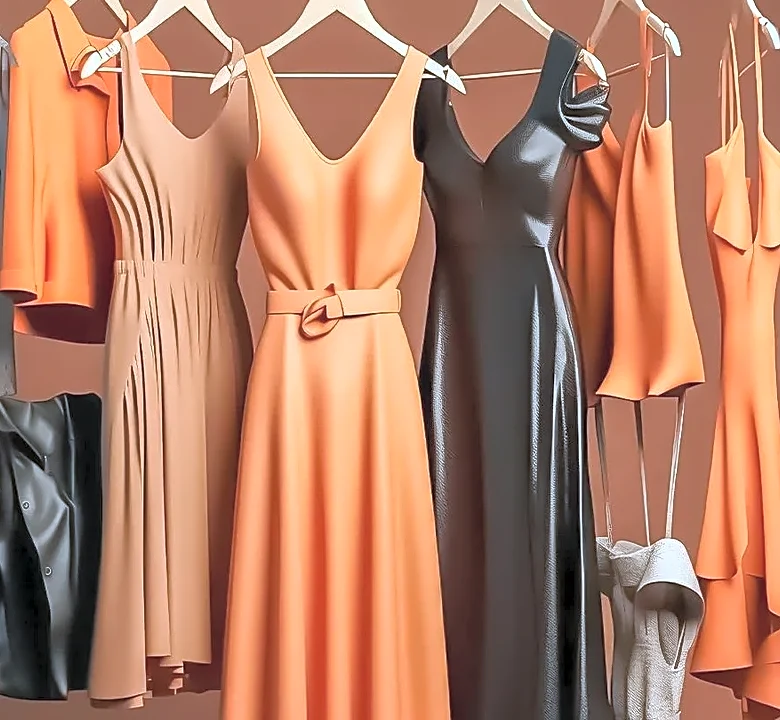
The search for the right vintage piece is an adventure. When shopping, focus on the garment's potential rather than its current state. Look for high-quality, natural fabrics like silk, wool, or heavy satin that can withstand alterations. Carefully inspect the item for any significant damage like tears or pervasive stains, but don't be deterred by minor flaws that a good tailor can fix. Sizing on vintage labels can be misleading, as standards have changed dramatically over the decades. Instead of focusing on the number on the tag, pay attention to the measurements, or better yet, try it on. The most important area to get right from the start is the shoulders of a jacket or dress, as this is the most difficult part to alter.
Seeing the Potential: A Modern Vision
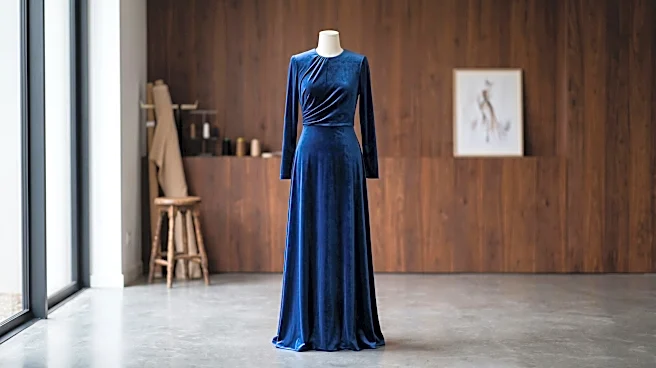
The key to modernizing a vintage garment is to see beyond its original silhouette. A dress with a dated, high neckline can be transformed with a chic V-neck or scoop neck. Bulky shoulder pads can be removed, and voluminous sleeves can be tapered or shortened to a more contemporary length. Don’t be afraid to change a hemline; a floor-length gown might find new life as a midi or even a two-piece set. Simple changes like swapping out old, fussy buttons for sleek, modern hardware can instantly update the entire feel of a piece. The goal isn't to erase the garment's history but to edit it for a new era.
Finding Your Alteration Artist
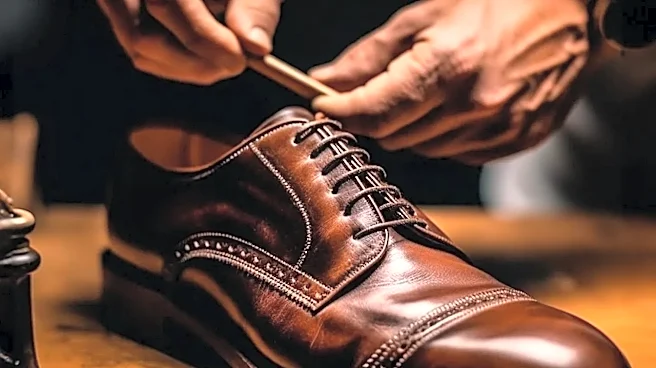
A skilled tailor is your most important partner in this process. Don't just go to your local dry cleaner; seek out a seamstress or tailor with experience in handling delicate and vintage fabrics. It’s wise to ask for a portfolio or references. When you meet with them, bring inspiration photos to help communicate your vision clearly. Be open to their expert advice, as they will know what is structurally possible for the garment. For example, it’s generally easier to make a garment smaller than larger, though a tailor can sometimes let out seams to gain a crucial extra inch of room. A good tailor can not only execute your vision but also suggest improvements you may not have considered.
Finishing Touches: Styling Your New Look
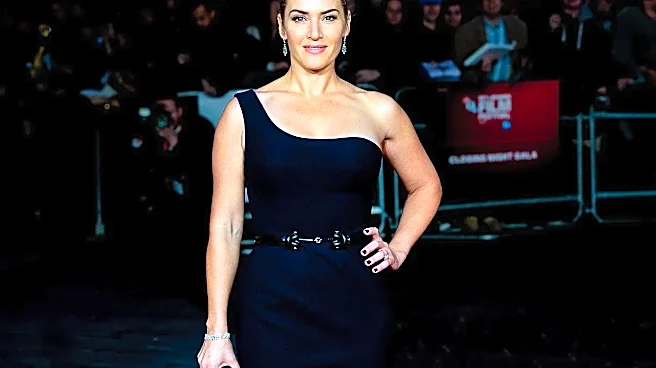
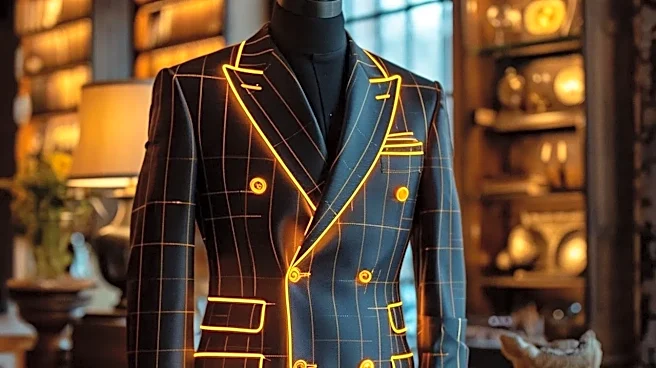
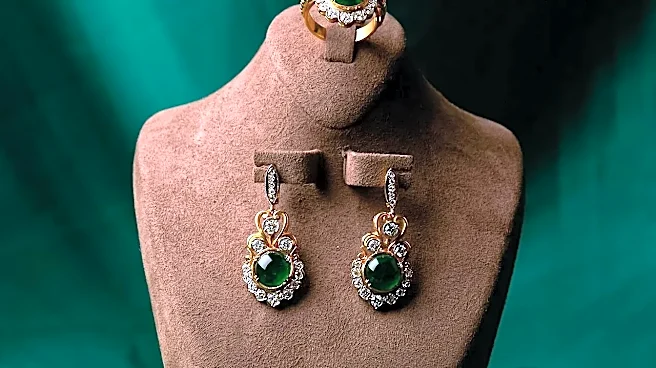
Once your vintage piece has been altered, modern styling is what makes it feel truly current. The contrast between a vintage garment and contemporary accessories often creates the most compelling look. Pair a classic dress with edgy heels, minimalist jewelry, or a sleek, structured clutch. A wide, modern belt can redefine the waistline of a vintage dress or jacket. For men's suiting, a vintage jacket might be paired with modern trousers, or a classic suit can be updated by wearing it with a simple crewneck t-shirt instead of a traditional button-down, as seen on recent red carpets. Your hair and makeup also play a crucial role in bridging the gap between then and now, ensuring the final look is cohesive and polished.