







A Statement of Unshakable Confidence
Walking into a room full of the culture's biggest and brightest stars requires a certain level of self-assurance. Choosing to wear a single color—whether it’s crisp white, deep black, or a vibrant hue—is the sartorial equivalent of saying, “I’ve arrived,
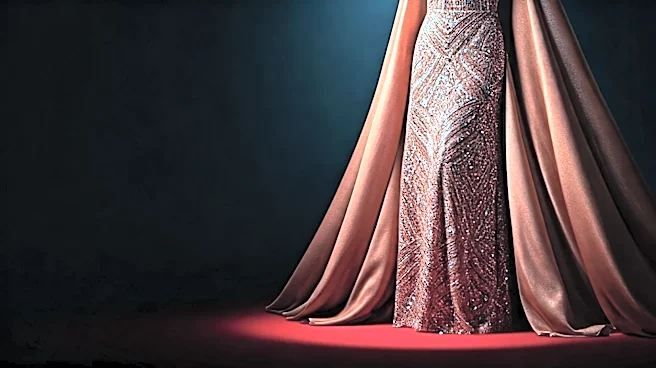
and I don't need to shout for attention.” In a sea of clashing prints and fleeting trends, a monochromatic outfit projects an effortless and polished look. [14] It’s a quiet power move. The simplicity of the palette forces the focus onto the individual: their silhouette, their energy, their sheer presence. When there are no distracting patterns, the confidence of the wearer becomes the main event. It’s a look that says you are comfortable and in control, making a deliberate choice to be streamlined and sophisticated in an environment that can often feel maximalist.
The Art of Refined Simplicity
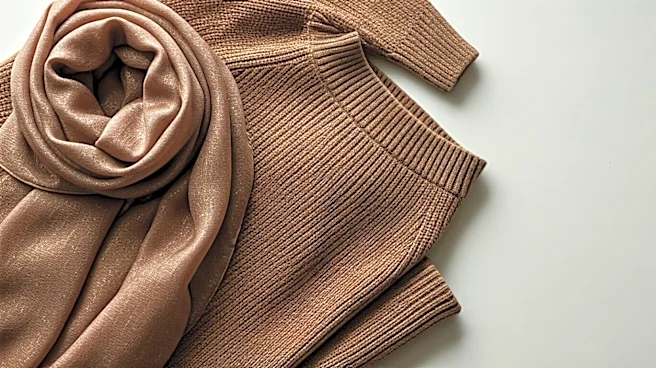
Monochrome dressing is a masterclass in subtlety. When a look is stripped down to one color, other elements have to shine. Suddenly, texture, tailoring, and silhouette take center stage. [14] A soft knit paired with sleek satin, or a structured blazer over a flowing dress—all in the same color family—creates a rich visual landscape without being loud. [18] This technique allows for immense creativity. At events surrounding the BET Awards, where fashion is a core part of the conversation, this approach is a sign of true style literacy. [2, 15] It demonstrates an understanding that an outfit's impact isn’t just about color, but about the interplay of fabrics and form. This focus on detail elongates the body, creating a clean, cohesive line that is both flattering and visually striking. [14] It’s fashion, distilled to its most potent and elegant form.
A Deep-Rooted Cultural Tradition
The power of the single-color outfit has deep roots in Black American style history. From the coordinated suits of jazz musicians in the zoot suit era to the iconic all-white attire of Delta Sigma Theta sorority ceremonies, monochrome has long been used to signal unity, celebration, and reverence. [1] Think of the crisp, matching outfits of church choirs on Sunday morning or the sleek, color-coordinated looks that defined 90s R&B groups. This sartorial tradition is about storytelling and community. [1] It’s a visual language that communicates a sense of belonging and shared purpose. By choosing a monochromatic look at the BET Experience—a multi-day celebration of Black culture—artists and attendees are tapping into this rich history. [7, 9] It's a nod to the past, a statement of pride in the present, and a continuation of a powerful legacy.
Modern Expression and Individuality
While rooted in history, today's monochromatic trend is anything but uniform. At the BET Experience, you’ll see it interpreted in countless ways, reflecting the diversity of Black expression. One star might opt for a head-to-toe all-black look that exudes a mysterious, competent edge—a style that is both timeless and endlessly versatile. [4, 6] Another might choose a vibrant, all-red ensemble that communicates pure, unadulterated confidence. Stylist Keiko El notes that she sometimes uses color to embody specific goals, like wearing red for confidence. [1] The beauty of the trend is its adaptability. It can be tailored to any personality, from the minimalist who favors neutral tones like ivory and sand to the maximalist who chooses a bold, electric blue. [17] The single color becomes a canvas for individual expression, proving that true style isn't about the number of colors you wear, but the intention behind the ones you choose.