


The Age of Pancake Foundation and Raw Creativity
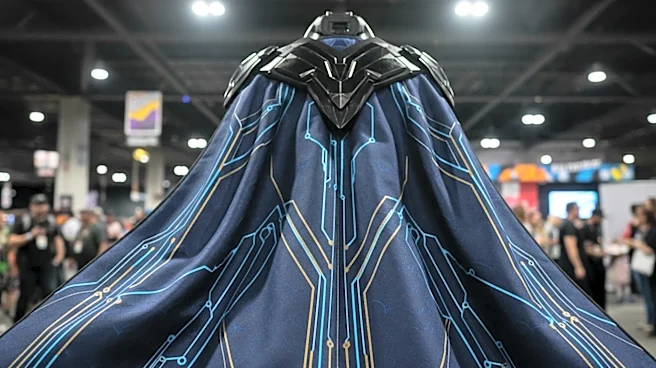
Picture San Diego Comic-Con, circa 2004. The air is thick with the smell of new comic books and giddy, un-air-conditioned excitement. Here, cosplay is thriving, but it's a different beast than the one we know today. The makeup is characterized by a charming
lack of subtlety. Think flat, full-coverage foundation with little to no contouring. Eyes are the main event, often featuring a single, unblended swipe of bold, frosty eyeshadow—usually blue or silver—across the entire lid. Eyeliners are thick, sometimes smudged with punk-rock intention, other times just a casualty of a long day in a hot convention center. This wasn't about creating a flawless illusion; it was a direct, passionate translation of a 2D character onto a 3D face. It was beautifully literal, prioritizing recognizable shapes and colors over realistic blending and dimension. The goal wasn't to look 'good' by conventional standards, but to look like the character, period.
When Polish Edged Out Passion
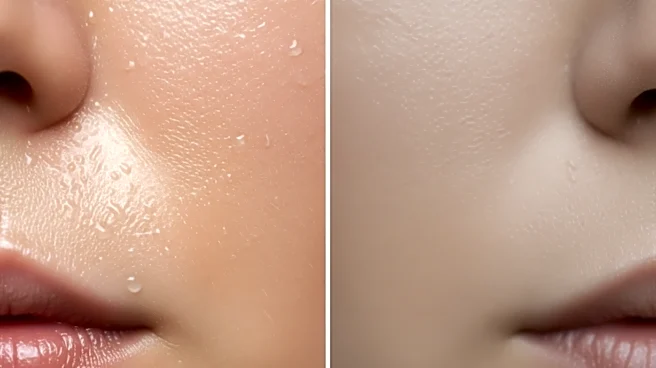
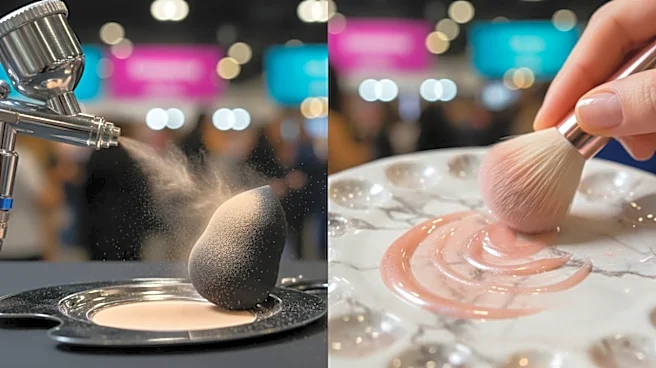
The shift was gradual, then sudden. As cosplay moved from convention floors to social media feeds, the pressure for perfection mounted. The rise of YouTube tutorials, affordable special-effects products, and the 'camera-ready' aesthetic changed the game. Passion was still the driver, but it was now filtered through a lens of technical proficiency. Flawless airbrushing, intricate prosthetic work, and hyper-realistic techniques became the gold standard. A look wasn't just for the con; it had to stand up to the unforgiving scrutiny of a high-resolution photo. The raw, unfiltered creativity of the 2000s began to look amateurish by comparison. While this evolution produced breathtaking works of art and elevated the craft immensely, a certain freewheeling spirit was lost. The pressure to invest significant time and money to achieve a 'perfect' look created a higher barrier to entry, potentially sidelining the spontaneous joy that defined the earlier era.
The Case for Creative Chaos
The Y2K aesthetic is already seeing a massive resurgence in mainstream fashion, driven by a desire for more expressive and less-rigid styles. This revival celebrates a 'more is more' attitude, embracing the glitter, metallics, and playful energy of the early 2000s. This same logic should apply to cosplay makeup. Bringing back the spirit of 2000s con makeup isn't about regressing; it's about reintroducing a sense of play. It’s a rebellion against the pressure of perfection. There is an undeniable freedom in a makeup style that isn't about hiding flaws or achieving a polished, homogenous look. It’s about being loud, graphic, and unapologetically enthusiastic. It values the act of creation and the love for a character over the pursuit of a flawless final product that looks good from every angle.
What a 'Smarter' Revival Looks Like
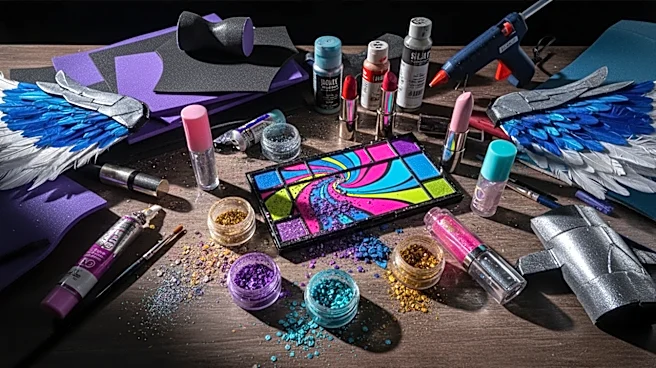
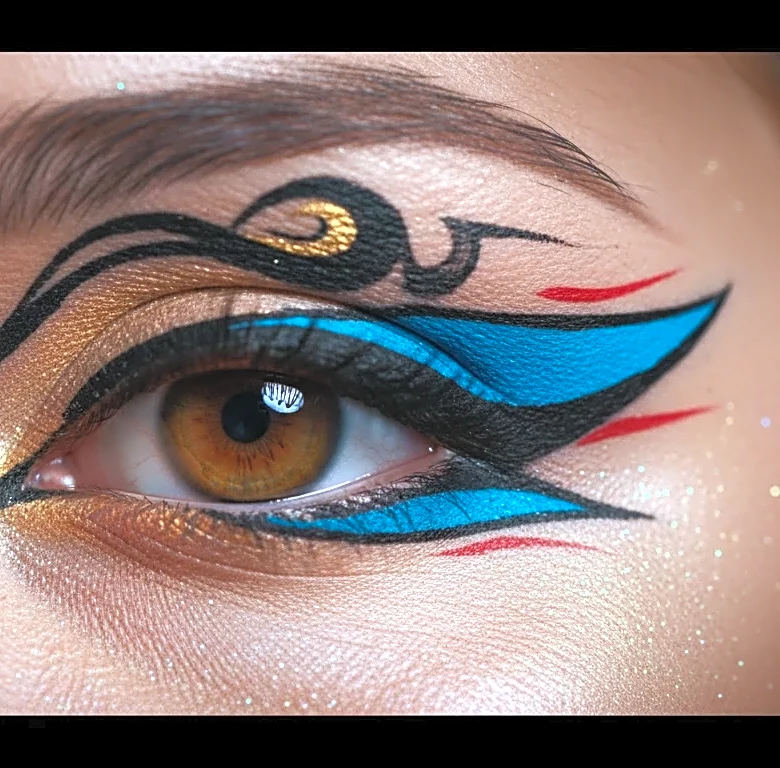
A 'smarter' revival doesn't mean using smudgy, low-pigment eyeshadow from a 20-year-old palette. It means taking the spirit of 2000s looks and executing them with the precision and quality of modern products. It’s about being intentional. Instead of a messy blue eyeshadow, use a hyper-pigmented, long-lasting cream shadow applied with graphic precision. Think of it as cel-shading for the face, a technique already popular with cosplayers of games like 'Borderlands' but ripe for wider application. This involves using sharp, comic-book-like black lines to define features, but doing so with crisp liquid liners that don't bleed. A smarter revival embraces the flat, 2D look but makes it a deliberate stylistic choice, not a limitation. It’s using today’s superior tools to recreate the vibe of the past—bold, expressive, and character-focused—without the technical drawbacks. It's the difference between a costume looking accidentally imperfect and one looking perfectly, intentionally stylized.