





The Architect of the 'Wife Guy'
Before the chaos, John Mulaney was arguably the sharpest joke writer of his generation, and his central character was himself. The entire act was built around a specific, curated persona: the lanky, clean-cut man in a suit who told charmingly neurotic
stories about his “tough, Jewish wife” and their French bulldog, Petunia. This wasn’t just a series of jokes; it was a universe. His specials like “The Comeback Kid” and “Kid Gorgeous” solidified this image of a stable, devoted, and hilarious husband navigating domestic life. He was the ultimate “wife guy,” and audiences loved the character because he felt both aspirational and relatable. His style was defined by its precision—every syllable and pause meticulously crafted—and the central pillar holding it all up was this specific, seemingly happy, domestic life.
Demolition of a Persona
The “cast change” was less a gentle recasting and more a sudden, public demolition. In late 2020, the narrative collapsed. Mulaney, who had long discussed being sober since 2005, relapsed and entered rehab for addiction to alcohol, cocaine, and prescription drugs. Shortly after, in May 2021, he and his wife, Anna Marie Tendler, announced their divorce. The news stunned fans who had invested in their relationship as a core part of his comedic identity. The story accelerated when Mulaney began a new relationship with actress Olivia Munn and announced they were expecting a child. This sequence of events—rehab, divorce, new relationship, baby—didn't just change his personal life; it irrevocably shattered the public-facing character he had spent over a decade building. The old jokes were suddenly relics of a different life.
Sifting Through the Rubble in 'Baby J'
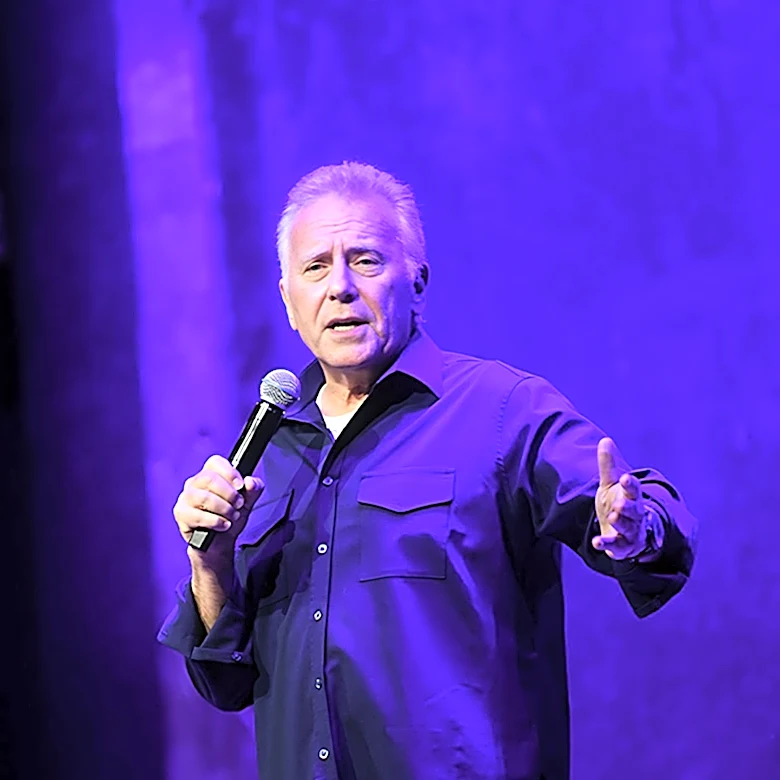
Mulaney’s return to the stage came via the tour “From Scratch,” which became the 2023 Netflix special “Baby J.” It was a necessary pivot from polished anecdotes to raw confession. Gone were the whimsical stories about his wife; instead, Mulaney dove headfirst into the grimly funny details of his addiction and the star-studded intervention that forced him into rehab. The special was an act of narrative reclamation. Rather than ignoring the elephant in the room, he put a spotlight on it, recounting stories of buying and pawning a Rolex for drug money and the absurdity of his friends like Seth Meyers and Nick Kroll staging a life-saving intervention. Some critics noted that he didn't delve deeply into the divorce or his new relationship, focusing almost entirely on the mechanics of his addiction. But in doing so, he traded his old persona for something far more vulnerable and honest, even if it was uncomfortable.
A New Blueprint for Funny
So, has the style survived? The core mechanics are still there: the masterful delivery, the sharp writing, the self-deprecation. But the subject matter has fundamentally shifted. The new cast includes his son, Malcolm, and his partner, Olivia Munn. Fatherhood has become a source of new material, though he admits it has made his writing less precise due to lack of sleep. He now jokes about the anxieties of parenting, describing his infant son as a "polite man in an uncomfortable situation" and comparing the division of labor for a newborn and a toddler to transporting a convict versus holding a potato. The suit-and-tie polish remains, but it’s now paired with a new spikiness and a candidness born from hitting rock bottom. The old Mulaney built stories around a life that appeared perfect. The new Mulaney is building them on a foundation of acknowledged imperfection, finding humor in survival itself.