




The Frame-by-Frame Forensics
Forget casual viewing. The second a high-profile trailer hits YouTube, it’s immediately subjected to a level of scrutiny that would make the FBI’s forensic lab blush. Fans, operating like a decentralized detective agency, go through the footage frame
by frame. A blurry reflection in a character’s eye? It could be a secret villain. A strange symbol on a wall for a split second? It’s obviously a clue pointing to a deep-cut comic book storyline from 1987. This isn’t passive consumption; it’s an interactive puzzle. Every visual element is treated as a potential breadcrumb deliberately left by the filmmakers. The collective joy comes from the hunt—the shared “aha!” moment when someone on a Reddit thread spots a detail everyone else missed. This process transforms a two-and-a-half-minute marketing asset into a sprawling, collaborative investigation where everyone is invited to put on their deerstalker hat.
The Wild West of Fan Theories
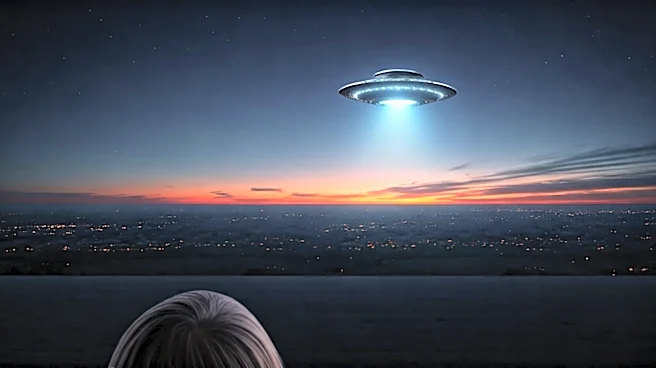
If frame-by-frame analysis is the science, then theory-crafting is the art. The trailer provides the raw material, and the fandom’s imagination does the rest. It’s a glorious, chaotic marketplace of ideas. Is that beloved character secretly a clone? Is the entire plot a misdirect, with the *real* story hidden from the trailer? Will the alien invaders in “Disclosure Day” actually be peaceful, misunderstood tourists? No theory is too outlandish to be proposed, debated, and evangelized in YouTube video essays and sprawling Twitter threads. Of course, 99% of these theories will be gloriously wrong. But that’s not the point. The speculation itself is the entertainment. It’s a form of collective storytelling, where fans build their own versions of the movie in their heads, creating a rich tapestry of “what-ifs” that make the wait for the actual film a dynamic and creative period, rather than a passive one.
The Instant-Meme Generator
In the modern internet economy, a trailer’s most valuable asset might not be the plot it reveals, but the memes it spawns. An over-the-top line of dialogue, a bizarre facial expression, or a particularly dramatic explosion is instantly clipped, screenshotted, and repurposed. That one shot of the “Disclosure Day” hero looking confused while holding a toaster becomes a universal symbol for Monday mornings. A villain’s dramatic monologue is remixed with a cat video. This meme-ification does two things. First, it provides a low-stakes, humorous way for even casual viewers to engage with the hype. You don’t need to know the lore to appreciate a funny meme. Second, it functions as an incredibly effective, user-generated marketing campaign. The memes embed the film into the cultural conversation, making it feel ubiquitous and essential long before opening night. The trailer stops being just an ad and becomes a piece of shared internet language.
The New Water Cooler
Ultimately, the fun of the trailer conversation is about community. For decades, the “water cooler moment” was something that happened *after* everyone watched the same TV show or movie. Today, the trailer drop is a pre-emptive water cooler. It’s a scheduled global event that gives millions of people something to talk about, all at once. It’s a reason to text your friends, jump into the group chat, or scroll through social media to see if others are as excited (or disappointed) as you are. In a fragmented media landscape where we’re all watching different things on different schedules, a massive trailer release is a rare, unifying cultural touchstone. It creates a temporary, worldwide club of people all focused on the same thing, united in a state of pure, unadulterated anticipation. The film itself has to deliver on the plot and character, but the trailer delivers something else entirely: a reason to get excited together.