


A Quiet Rebellion Against the Hype
Let’s be honest: for the better part of a decade, high-end menswear has been on a casual-Friday bender that never ended. The uniform was clear: a luxury hoodie, limited-edition sneakers that required a lottery win to acquire, and a logo-stamped something-or-other.
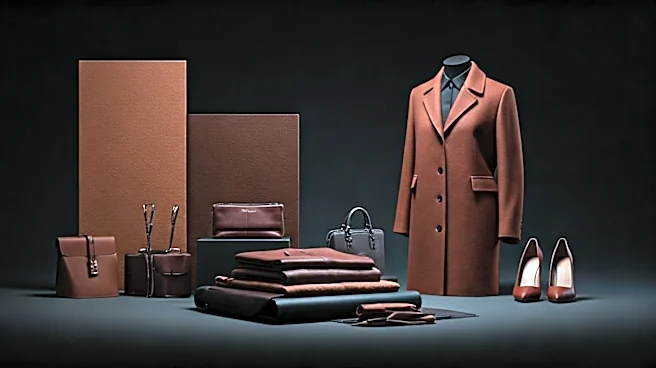
It was a race for hype, for newness, for the next big drop. But the Spring/Summer 2025 shows in Paris signaled a collective exhale. Instead of chasing the algorithm, many of the world's most influential designers looked inward and backward, finding inspiration not in fleeting trends, but in the enduring architecture of the male wardrobe. This wasn’t a nostalgic retreat; it was a deliberate, confident pivot toward something more substantial. The dominant mood was one of quiet elegance, a rejection of noise in favor of nuance.
The Suit Is Back, But Not As You Know It
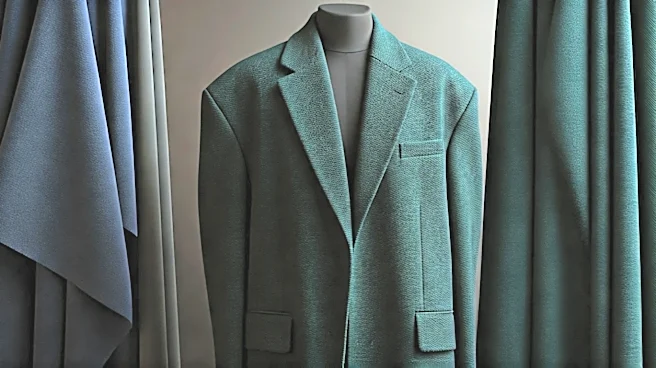
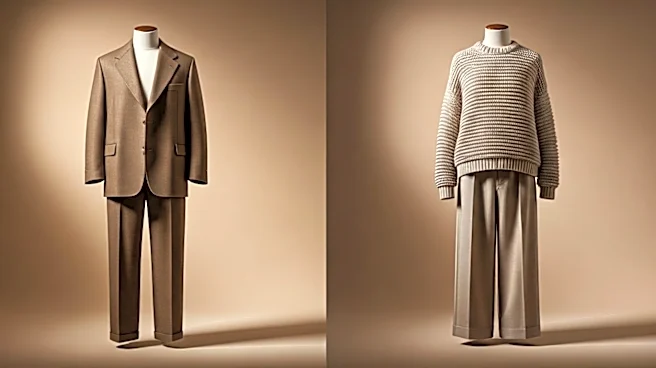
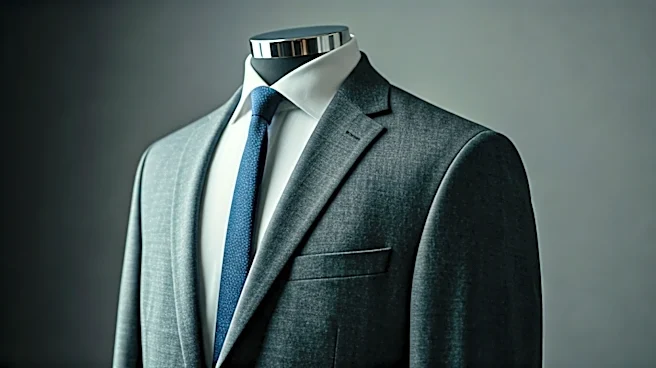
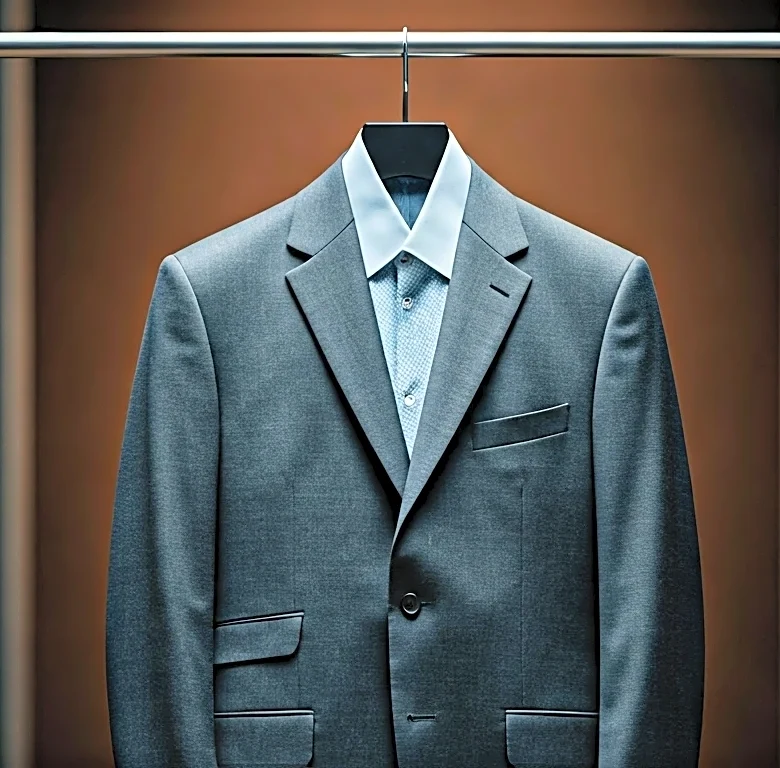
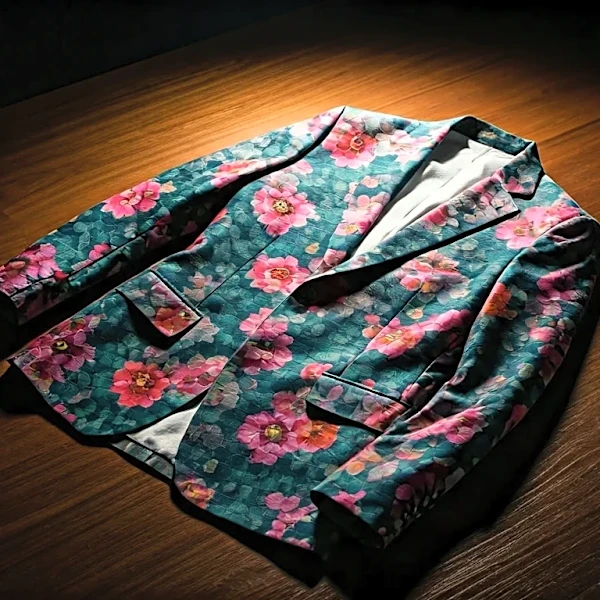
The most obvious sign of this sea change was the triumphant return of the suit. But forget the stiff, corporate armor of the 1980s or the slim-fit, boy-band uniformity of the 2010s. The new suit is defined by softness, ease, and personality. At Dries Van Noten, a master of wearable poetry, jackets were unstructured and trousers flowed with a gentle width, creating a silhouette that was powerful yet relaxed. Loewe’s Jonathan Anderson played with proportions, cinching jackets high on the waist to create an elongated, almost sculptural look. Even brands built on a more modern foundation, like AMI Paris, embraced tailoring, showing double-breasted blazers that felt more appropriate for a stroll along the Seine than a hostile takeover. The message was consistent: tailoring is no longer a costume for the office. It’s a versatile tool for self-expression, designed for movement and life.
Rediscovering the Details
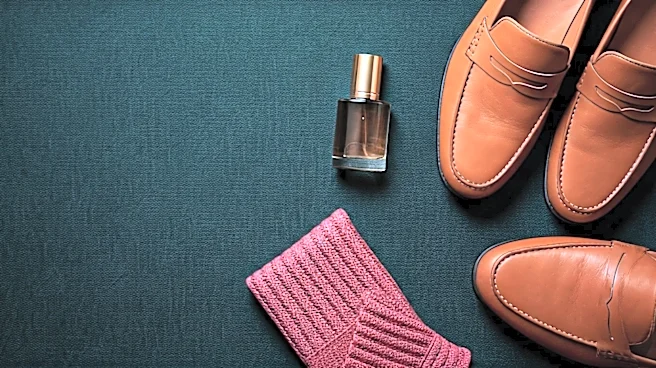
Beyond the suit, designers resurrected other so-called “old-fashioned” elements, imbuing them with new life. The necktie, long declared dead in the age of Zoom, made a subtle comeback, but it was often slim, slightly askew, or paired with a casual shirt, stripping it of its boardroom stuffiness. Polished leather shoes—loafers, derbies, and oxfords—walked runways that were recently dominated by chunky sneakers, grounding collections in a sense of grown-up polish. The trench coat, a perennial classic, appeared in lighter fabrics and updated cuts. What made it all feel so fresh was the styling. A beautifully cut blazer might be thrown over a simple t-shirt. High-waisted pleated trousers were paired with a humble knit polo. It wasn’t about a head-to-toe vintage look, but about selectively borrowing from the menswear canon to build a more interesting, personal uniform.
Why Now? A Search for Substance
So, why this sudden reverence for the old codes? It’s more than just a pendulum swing. In a world saturated with digital noise, fast-fashion hauls, and fleeting micro-trends, there’s a growing hunger for things that last. These classic garments represent an investment—not just financially, but stylistically. They are archetypes that have survived for decades because they simply work. This shift also reflects a changing idea of masculinity. The old suit represented conformity and corporate power. The new suit, with its softer lines and personal styling, suggests a quieter, more self-assured confidence that doesn’t need a loud logo to be heard. It’s a move away from peacocking and toward a more introspective elegance. After years of dressing for the internet, it seems designers—and by extension, the men they dress—are finally interested in dressing for themselves again, finding freedom in the very structure they once sought to escape.