
The Runway as a Permission Slip
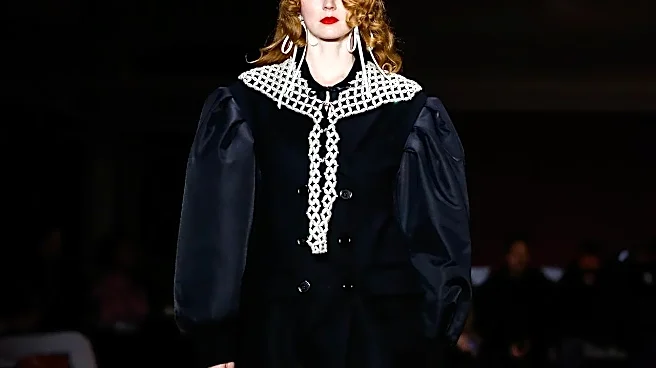
High fashion has always mined the past for inspiration, but in today's trend-driven cycle, a designer's nod to a specific era acts as a cultural permission slip. When a major house like Gucci or Burberry
reinterprets a '70s silhouette or a '90s grunge aesthetic, it instantly re-contextualizes that period for a modern audience. This creates a surge in interest not just for the new, expensive designer item, but for the era itself. Suddenly, consumers who might have previously seen a prairie dress or a wide-leg jean as dated now see it as relevant and fashion-forward. The runway show essentially does the marketing for a whole category of historical style, sending curious shoppers on a hunt for the look.
The Search for Authenticity and Exclusivity
While a runway piece offers status, savvy consumers increasingly crave authenticity and uniqueness—something fast fashion can't provide and luxury often prices out of reach. This is where vintage dealers thrive. Why buy a $3,000 designer jacket that looks like it’s from the '80s when you can buy an actual, beautifully made jacket from that decade for a fraction of the price? Vintage pieces offer a direct connection to the history the runway is referencing. They come with a story, superior craftsmanship from a pre-fast-fashion era, and the guarantee that you won’t see five other people wearing the same thing. In a world of mass production, this exclusivity has become the ultimate status symbol.
Sustainability Shifts Consumer Priorities
The growing awareness around fashion's environmental impact is another major tailwind for vintage sellers. As consumers, particularly Millennials and Gen Z, become more conscious of the waste generated by fast fashion, they are actively seeking sustainable alternatives. Vintage clothing is inherently sustainable; it requires no new resources to produce and keeps garments out of landfills. When a historical trend resurfaces, environmentally-conscious shoppers are far more likely to head to a thrift store, a curated vintage boutique, or an online resale platform than to a fast-fashion outlet selling a cheap knockoff. This ethical consideration makes vintage not just a stylistic choice, but a values-based one.
From Shopkeeper to Social Media Curator
The most successful vintage dealers today aren't just passive sellers waiting for customers; they are active curators and storytellers. Using platforms like Instagram and TikTok, they connect the dots for their audience in real time. A dealer can post a video showcasing a vintage '90s slip dress with a caption explaining its connection to a recent runway show. They educate buyers on an item's history, fabric, and cultural relevance, adding immense value. This transforms them from simple shopkeepers into trusted stylists and fashion historians. They don’t just sell clothes; they sell taste, knowledge, and a point of view, building a loyal community that trusts their edit.