
The Millennial Resortwear Uniform
For Millennials, who came of age with the rise of the Instagram travel blogger, vacation wear became a highly curated affair. The goal was aspirational perfection. The look was less “swim styling” and more “resortwear”—a complete, polished ensemble designed
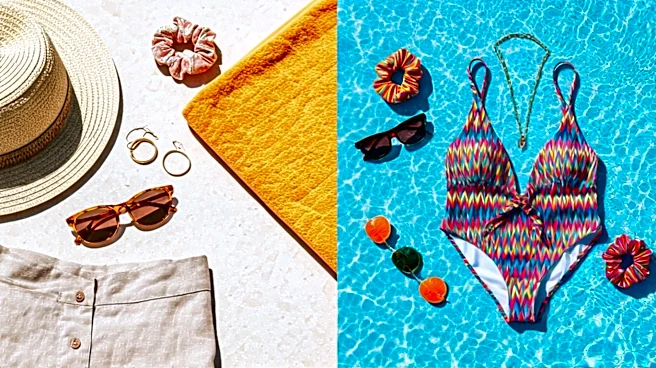
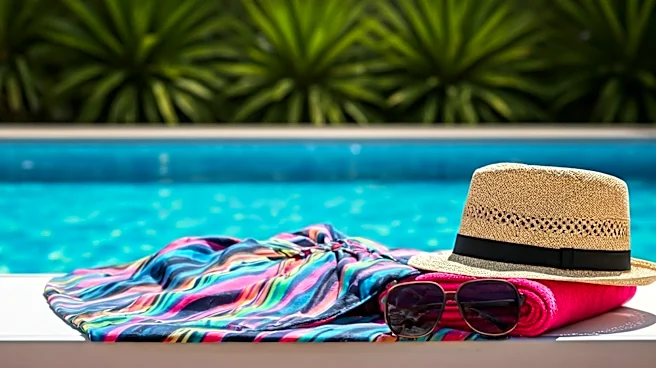
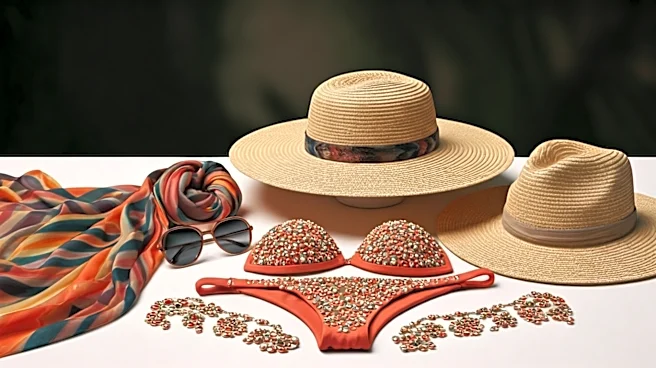
for the photo op. Think of the high-waisted bikini, a silhouette that had a generation in a chokehold for its flattering, retro-inspired security. It was often part of a matching set, purchased from a direct-to-consumer brand that advertised heavily on podcasts and social media. The color palette was cohesive, the prints were tasteful (often a sophisticated palm leaf or a classic stripe), and the accessories were essential. A wide-brimmed straw hat, oversized sunglasses, and perhaps an embroidered caftan or a crisp linen button-down completed the look. It’s an aesthetic built on the idea of an achievable, yet elevated, lifestyle. The vibe is put-together, intentional, and optimized for looking effortlessly chic while sipping rosé in a cabana.
Gen Z’s Eclectic, 'Un-Styled' Styling
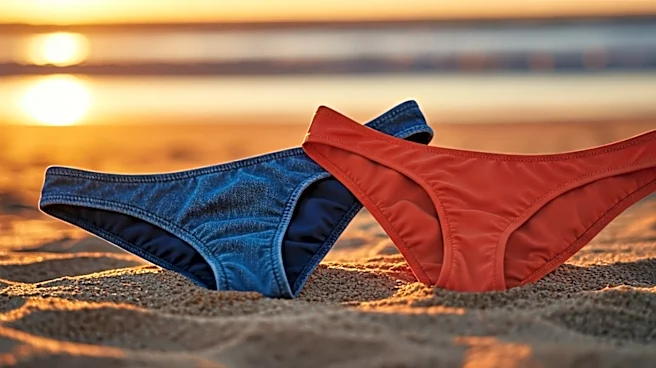
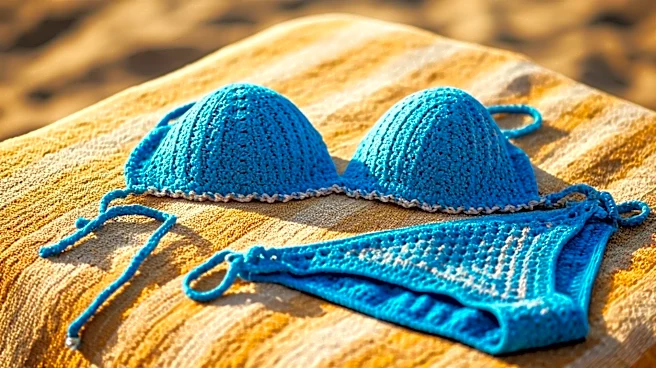
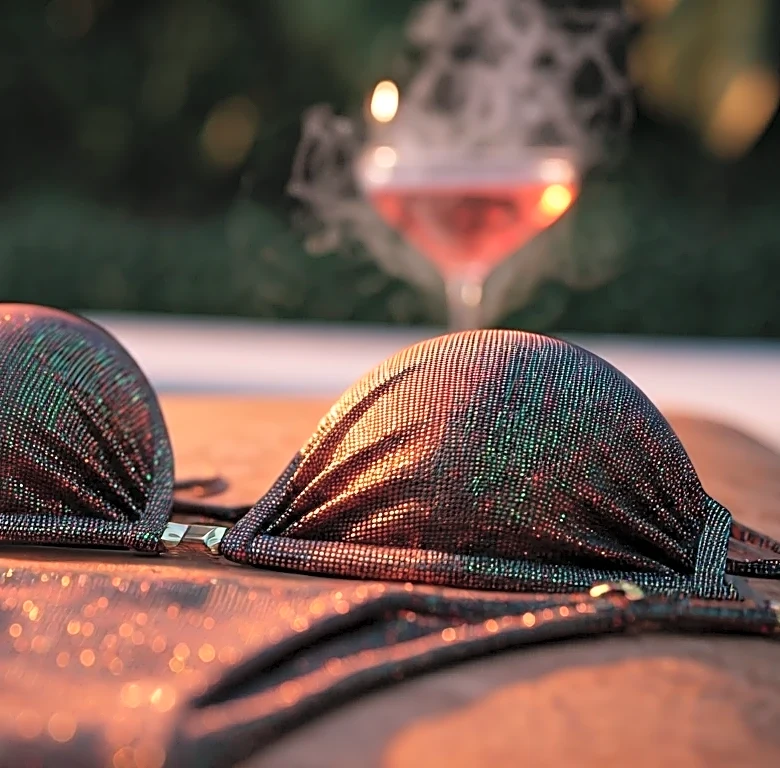
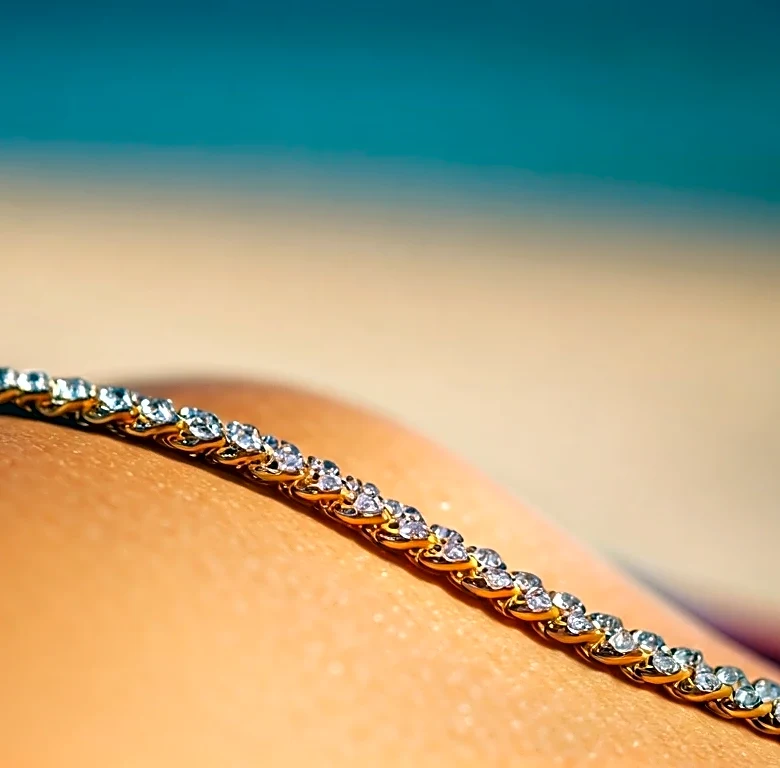
Gen Z’s approach to the beach feels like a direct reaction to that polished perfection. Their swim styling is a masterclass in chaotic chic, prizing individuality and surprise over coordinated harmony. The high-waisted, full-coverage bottom is often replaced by the tiny, low-rise string bikini of the early 2000s. Matching sets are out; mismatched bikinis are in, looking as if they were pulled from a bin of random separates. The look is less about the swimsuit itself and more about the styling *around* it. A crochet bucket hat, a thrifted men's basketball jersey as a cover-up, a delicate body chain, or a sarong tied into a micro-mini skirt—it's all part of the ensemble. This generation isn’t buying a complete “look” from one brand. They are assembling it from disparate pieces, often blending fast fashion with genuine vintage finds and DIY elements. The goal isn't to look polished, but to look interesting, authentic, and uniquely *them*—even if that authenticity is its own kind of performance.
Curation vs. Chaotic Authenticity
The core difference lies in their relationship with social media. Millennials perfected the art of curation on Instagram. Their resortwear reflects a desire to present a flawless, aspirational version of their lives. Each element is chosen to contribute to a perfect picture, a static image of success and leisure. The aesthetic is controlled and broadcasts a message of “I have it all together.” Gen Z, on the other hand, grew up on TikTok, a platform that rewards constant content, messy trend cycles, and a performance of raw authenticity. Their styling reflects this. The mismatched prints, the '90s and Y2K references, and the slightly-off combinations are designed to feel spontaneous and un-curated. It’s a style that looks best in motion—in a 10-second video clip—rather than in a posed photo. It telegraphs a different message: “I’m not trying too hard, I’m just being myself,” even though the effort to achieve that effortlessness is just as real.
From Macro-Influencers to Micro-Trends
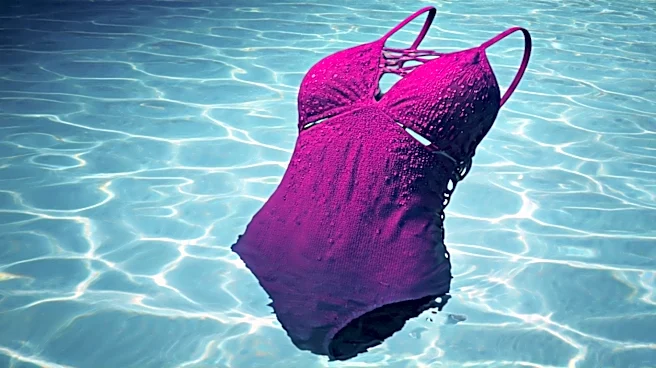
Inspiration sources also highlight the divide. Millennial style was heavily shaped by a handful of powerful macro-influencers and fashion bloggers who set the tone for years. Brands like Reformation, Revolve, and Solid & Striped defined the vacation wardrobe. When you bought that one-piece with the strategic cutouts, you knew exactly the vibe you were channeling. Gen Z’s inspiration is far more fragmented and faster-paced. It comes from an endless churn of TikTok micro-trends—the “coastal grandmother” one week, the “weird girl aesthetic” the next. Their fashion heroes aren’t just A-list celebrities but niche TikTok creators and archival images of '90s supermodels. This leads to a more experimental, referential, and sometimes confusing mix of styles. They are more likely to be influenced by a specific Bella Hadid paparazzi photo or a character from the HBO show *Euphoria* than by a traditional fashion magazine spread.