







Estadio Azteca: The Living Museum
No stadium on Earth is more woven into the fabric of the World Cup than Mexico City's Estadio Azteca. When it hosts the opening match, it will become the only venue to ever do so three times, having kicked off the 1970 and 1986 tournaments. This isn't
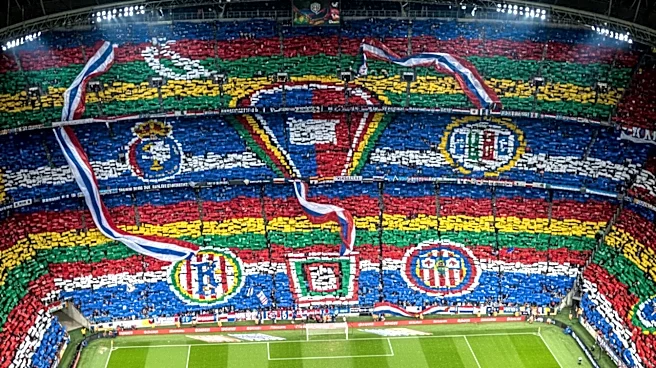
just a stadium; it's a cathedral of soccer where both Pelé and Diego Maradona lifted the trophy. It was the stage for Maradona’s infamous “Hand of God” goal and his spectacular “Goal of the Century” just minutes later in 1986. It also hosted the 1970 “Game of the Century,” an epic semifinal between Italy and West Germany. While other venues boast futuristic tech, Azteca’s story is one of unmatched legacy. Its high altitude and sheer scale, holding over 87,000 passionate fans, make it an intimidating and iconic stage that connects the sport's golden past to its present.
MetLife Stadium: The Grand Finale Stage
The honor of hosting the World Cup final on July 19, 2026, falls to MetLife Stadium in New Jersey, a stone's throw from New York City. While it fought off a strong bid from Dallas, its selection brings the world's biggest game to the nation's biggest media market. But the story isn't all glamour. The venue, temporarily renamed “New York New Jersey Stadium” by FIFA, has faced criticism. Some have called it less architecturally inspiring than newer NFL stadiums, while logistical challenges around transportation have been a recurring theme. Furthermore, players have voiced concerns about the quality of the grass pitch installed specifically for the tournament. Hosting the final is a massive logistical and reputational test, putting the New York/New-Jersey organizers under immense pressure to deliver a flawless experience for the planet’s most-watched sporting event.
SoFi Stadium: The Too-Cool-for-School Tech Darling
Los Angeles’ SoFi Stadium is a $5.5 billion architectural marvel, but for a while, its World Cup dream was in jeopardy because of a fundamental design flaw: it was too narrow for a regulation soccer pitch. The irony was thick, as the stadium’s owner, Stan Kroenke, also owns the Premier League club Arsenal. To meet FIFA’s width requirements, the stadium had to undergo significant renovations, which involved removing permanent concrete seating in the lower corners and replacing it with retractable sections. This embarrassing and expensive fix was a high-stakes drama that played out for months. While it lost the final, SoFi still secured eight matches, including a quarterfinal, ensuring its futuristic design and massive video board will be a memorable part of the tournament. The saga serves as a cautionary tale of what happens when American football-first design collides with global soccer standards.
AT&T Stadium: The Everything-is-Bigger-in-Texas Experiment
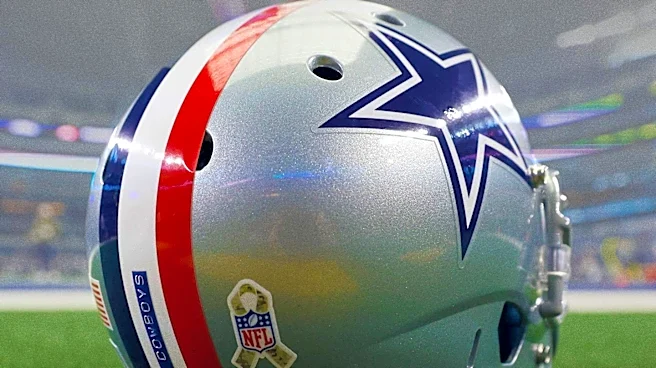
If there's one venue that embodies modern American spectacle, it's AT&T Stadium in Arlington, Texas. Known for its colossal size and massive center-hung video board, the home of the Dallas Cowboys will host nine matches, the most of any venue, including a semifinal. The biggest story here is the turf. Like many of its NFL counterparts, the stadium had to convert its artificial field to natural grass to meet FIFA's strict requirements. This wasn't a simple case of rolling out sod. It involved a massive engineering project to install a new pitch grown in Colorado, complete with complex irrigation, ventilation, and a system of suspended pink grow lights to keep the grass alive inside the massive dome. The success of this high-tech grass, sitting two feet above the original field, will be watched closely by players and federations, as pitch quality is a major factor in player performance and safety.
BC Place: The Canadian Comeback
Vancouver’s BC Place has a story of redemption. The city initially withdrew from the bidding process to host matches, only to rejoin later, making its inclusion a victory for Canadian soccer fans. The stadium, with its distinctive cable-supported retractable roof, underwent significant upgrades to get ready. These renovations included accessibility improvements, new hospitality spaces, and, most importantly, the installation of a new hybrid grass pitch grown locally in British Columbia. Set to host seven matches, including two for the Canadian national team, BC Place represents the tournament's cross-border spirit and the commitment of host cities to leave a lasting legacy. After some uncertainty, its presence ensures the World Cup has a true west-coast Canadian anchor.