








The Opening Act of the Hype Machine
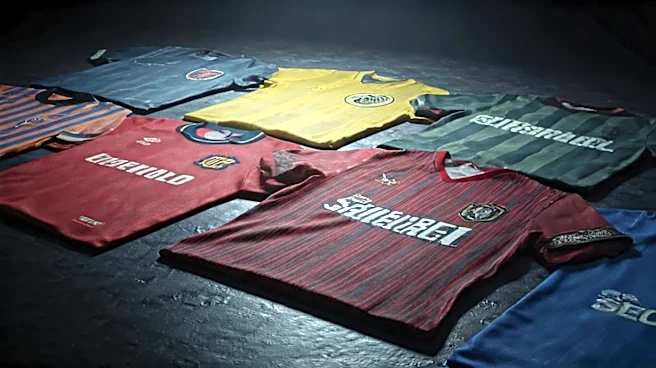
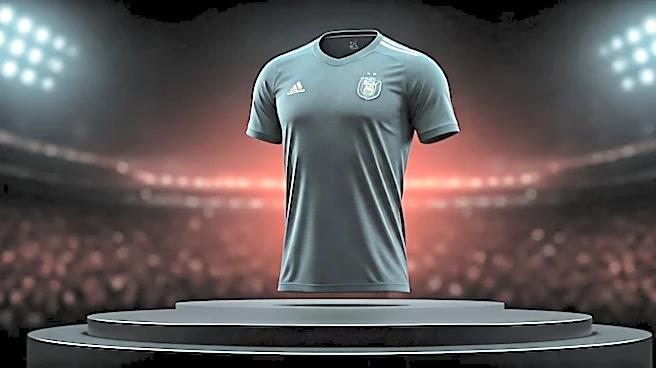
Think of a major tournament as a blockbuster movie. The jersey launch is the first official trailer. For months, sometimes years, anticipation builds quietly. The kit reveal is the moment the tournament becomes tangible. It’s the first piece of hardware
fans can see, touch, and own. For governing bodies and brands like Nike, Adidas, and Puma, this is a calculated strategy to kickstart the conversation and dominate headlines. It moves the tournament from an abstract date on the calendar to an immediate, emotionally charged reality. This pre-tournament period is a commercial dead zone that brands have ingeniously filled. By creating a landmark event, they build a narrative runway, ensuring that by the time the tournament starts, fan excitement is already at a fever pitch.
A Wearable Flag and a Cultural Battleground
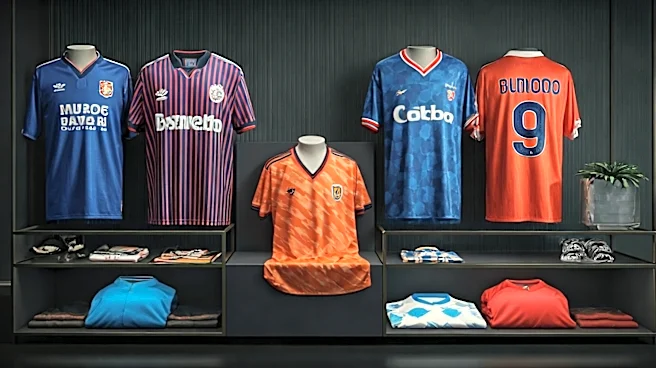
A national team jersey is far more than just a piece of performance apparel; it’s a symbol. It’s a wearable flag, a canvas for history, and a statement of identity. When a new design drops, the subsequent debate is never just about aesthetics. It’s about representation. Does the design honor the nation’s heritage? Is it too modern or too boring? Does it reflect the country’s spirit? Fans passionately argue over collar styles, color palettes, and subtle patterns because they see the jersey as an extension of themselves and their national pride. Brands understand this power. They embed cultural references—architectural motifs, historical symbols, artistic movements—into the designs, turning each shirt into a story. The resulting online discourse, from love to outrage, provides weeks of free, organic marketing.
The Billion-Dollar Business of Belief
Let’s not forget the obvious: jersey launches are a massive commercial enterprise. Global apparel brands pay hundreds of millions of dollars for the rights to outfit top national teams. That investment needs a return. A successful launch can translate into millions of units sold, with shirts often retailing for over $100 for a standard replica and even more for the “authentic” player-issue version. The launch event is a masterclass in modern marketing. It creates a moment of manufactured scarcity and urgency. Pre-order campaigns, flashy launch videos featuring star players and celebrity fans, and coordinated social media blitzes are all designed to convert hype directly into sales. A kit that captures the public imagination, like Nigeria’s legendary 2018 World Cup jersey which sold out in minutes, isn’t just a win—it’s a commercial tidal wave that can define a brand’s entire quarter.
From Sportswear to Streetwear
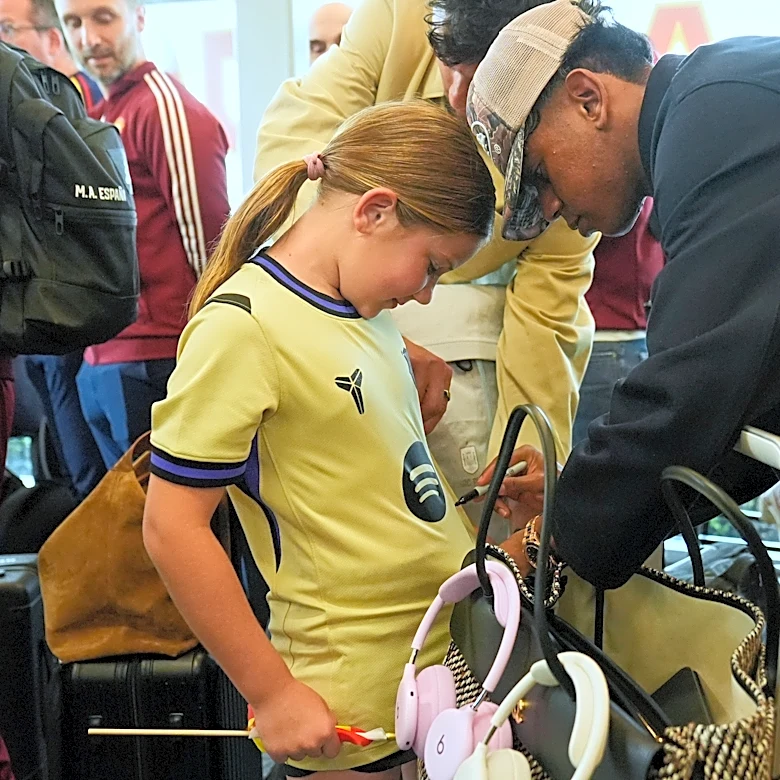
In recent years, the line between sportswear and fashion has all but vanished. Soccer jerseys have become a staple of global streetwear, and kit launches now target this lucrative crossover audience. A successful design isn't just for fans packing into a stadium; it’s for anyone who wants to signal their cultural fluency on the street. Brands intentionally create kits with this in mind. They collaborate with fashion designers, seed jerseys with musicians and influencers, and produce lifestyle-focused lookbooks. The goal is to create a shirt that looks as good with jeans as it does with shorts and cleats. This evolution has dramatically expanded the market, turning non-fans into potential customers and transforming the jersey from a supporter’s uniform into a legitimate fashion item. It’s why you’ll see an England or France jersey at a coffee shop in Los Angeles, thousands of miles from any stadium.