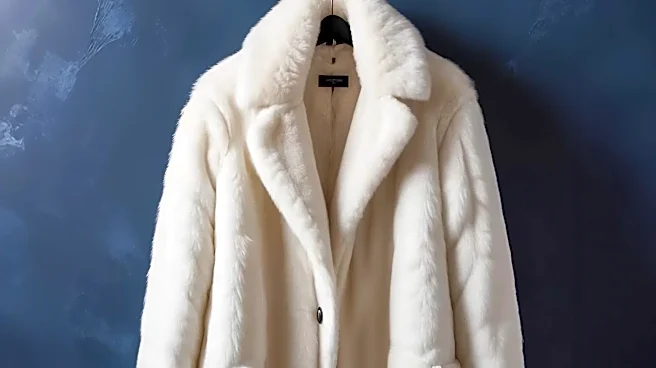





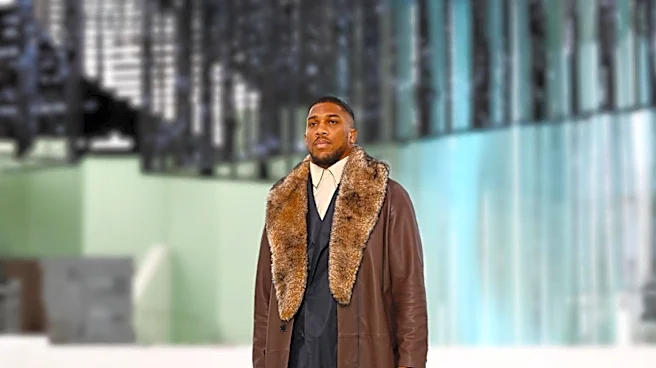

A great shearling jacket is a winter icon, projecting effortless warmth and rugged luxury. But there's a fine line between looking sharp and feeling like you're in costume. The difference lies in a few key details that create structure and shape.
It Starts with the Silhouette
The single
most important factor in a shearling coat's appearance is its cut. A structured feel comes from deliberate tailoring, not from stiffness. The shoulder seam is the first place to check; it should sit at or very near the edge of your own shoulder unless the design is intentionally oversized. A jacket with shoulders that are too wide or sleeves that are too voluminous can quickly look dated and unflattering. Modern, structured shearling often features a cleaner, more vertical line through the torso, even in longer coats. Aviator and bomber styles are designed to sit closer to the body, ending at the hip or waist to create a defined shape. An oversized coat can still feel structured if its volume is intentional and balanced, but excessive width can make even the most luxurious shearling look borrowed.
Not All Shearling is Equal
The material itself plays a huge role in whether a jacket adds bulk. Genuine shearling is a single material: a sheepskin hide tanned with the wool still attached. High-quality shearling is prized for its dense but soft wool and supple leather side. This allows it to provide incredible insulation without being excessively heavy or rigid. Thinner, more pliable hides drape better and conform to the body, while thicker, stiffer hides create a more boxy shape. The wool's length is also a factor; it's often trimmed to a uniform length to reduce bulk inside the garment. When pressing the wool, dense, high-quality fleece will spring back immediately, while sparser wool may stay compressed. This density provides warmth without adding unnecessary volume.
Details That Define
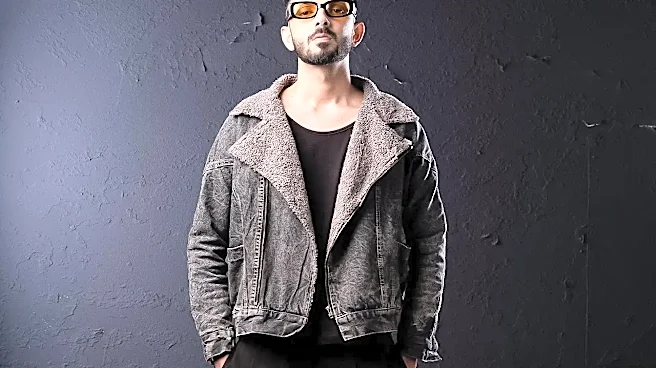
Beyond the main panels of leather and wool, small details provide crucial structure. The hardware, for instance, can change the entire feel of a jacket. A sturdy zipper closure creates a clean, vertical line that is inherently more slimming than a row of bulky buttons. Asymmetrical zippers on biker-style shearling jackets add a modern, edgy structure. Belts are another powerful tool, especially on longer coats. Cinching the waist provides an immediate silhouette, breaking up the volume and preventing the coat from looking like a shapeless blanket. Even the construction of the seams matters. Expert tailors who work with shearling often trim the interior wool along the seam allowance to create a flatter, less bulky finish that helps the garment drape properly.
The Art of Strategic Styling
How you wear your shearling is just as important as the jacket itself. The golden rule of styling a voluminous piece is to balance it with something lean. Pair your shearling with slim or straight-leg trousers, fitted jeans, or a simple knit dress. This contrast keeps the overall silhouette from becoming overwhelming. Layering thoughtfully is also key. Opt for thin, fine-gauge knits like merino wool or cashmere sweaters underneath, as they provide warmth without adding bulk. A heavy, chunky sweater will likely make the coat feel tight and top_heavy. Finally, keeping the rest of the outfit simple allows the jacket's texture to be the main statement.