


It Starts with the Shoulders
The first giveaway of an ill-fitting coat is often in the shoulders. When outerwear is designed for a taller person, the shoulder seams tend to droop down the upper arm. This instantly creates a 'playing dress-up' effect, signaling that the garment is too
big. Getting it right means finding a coat where the shoulder seam sits squarely on the edge of your natural shoulder. This creates a strong, clean line from which the rest of the coat can hang properly. For styles with intentionally dropped shoulders, like cocoon coats, the principle shifts to overall volume. But for classic, tailored pieces like peacoats or blazers, a sharp shoulder fit is non-negotiable and the single most important element for a polished look.
Length is a Game of Proportions
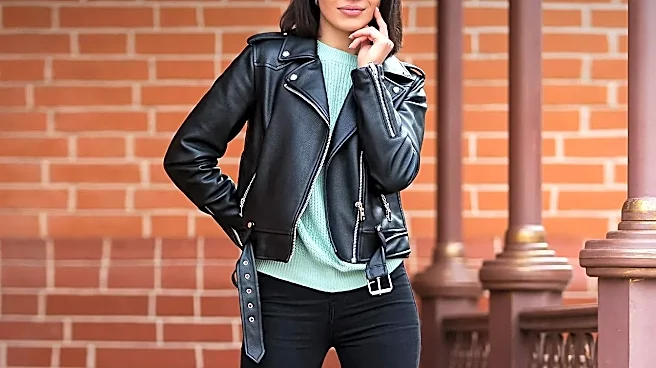
The wrong length is perhaps the most common mistake, and it can visually shorten your silhouette. A coat that ends awkwardly at mid-calf, for instance, can cut your leg line in a very unflattering spot. Those who get it right understand the power of strategic hemlines. A cropped jacket that hits at the natural waist or just above the hips is a powerful tool for making legs look longer. For more warmth and coverage, a mid-thigh length is a universally safe and flattering bet for petites. This length provides warmth without overwhelming your stature. If you do want to go long, the key is commitment: a hemline just above the knee can work well, while some stylists champion a very long coat that almost skims the ankle, provided it has a slender profile and doesn't add bulk.
A Defined Waist Changes Everything
Voluminous, straight-cut coats can easily turn a petite figure into a rectangle. The secret weapon to combat this is waist definition. This doesn't have to mean every coat needs a belt, though belted styles are an excellent choice. It can also be achieved through tailoring. Look for coats with seams that gently curve inward at the waist or styles with a built-in cinch. This simple detail creates an hourglass shape, even over bulky sweaters, reminding the eye that there's a body under the coat. It breaks up the solid block of fabric and restores your natural proportions, which is crucial when wearing heavier outerwear. A nipped-in waist allows you to play with more volume or length elsewhere without looking overwhelmed.
Volume Must Be Controlled
The Michelin Man look is a real risk for petites, especially with puffer coats. While warmth is the priority, getting the style right means choosing volume carefully. Puffer jackets with narrower quilting channels tend to look less bulky than those with wide, puffy sections. Similarly, look for puffers and parkas that are designed with less down fill or have a more streamlined cut. Beyond puffers, the fabric itself plays a huge role. Heavy, stiff materials will stand away from the body, adding visual bulk. In contrast, a wool coat with a softer drape will follow your natural lines more closely, providing warmth without making you look larger. It's about finding the balance between cozy and consuming.
Details Make the Difference
Finally, people who master petite outerwear pay attention to the small things. Oversized lapels, giant patch pockets on the hips, and wide cuffs can all disrupt a smaller frame's proportions. Instead, look for details that are scaled to your size. A classic, tailored peacoat with standard-sized lapels will look more balanced than a trendy version with exaggerated features. Sleeve length is another critical detail; you shouldn't have to roll your cuffs multiple times or have them bunching up at your wrists. True petite-sized coats will often have sleeves that are the correct length from the start, contributing to a clean, intentional look.