




The Philosophy of Filth
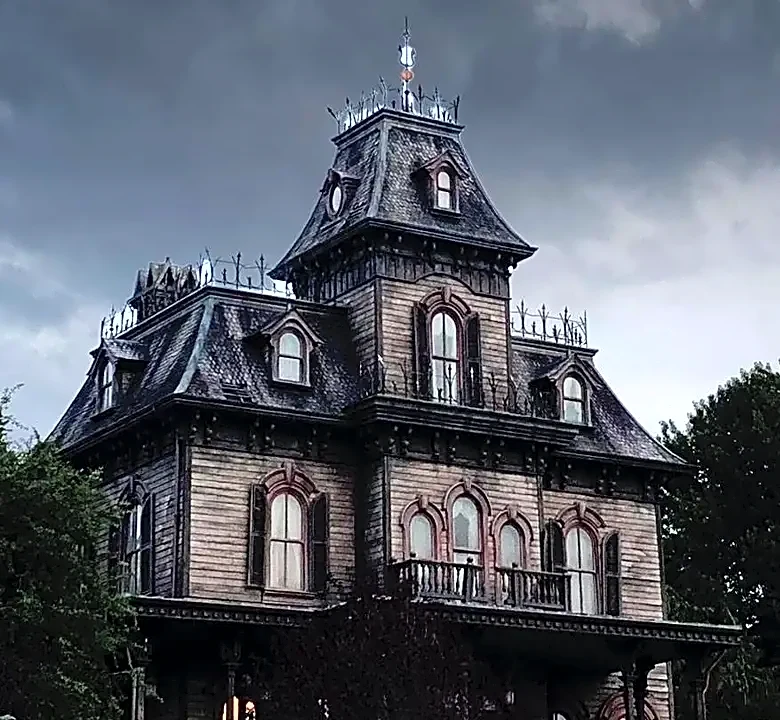
Before a single wall is built, the creative minds at Universal, including creative directors like John Murdy in Hollywood, establish a story. The decay isn’t random; it’s a narrative tool. Is it a long-abandoned asylum, a post-apocalyptic wasteland, or a carnival
junkyard where nightmares are resurrected? Each form of rot tells a different tale. The goal is to design environments that feel authentically unstable and dangerous while being meticulously engineered for safety and durability. It's a process of “designing destruction.” This means every peeling paint chip and water stain is deliberately planned to enhance the story, immersing guests in a world that feels like it’s collapsing around them. The art isn't just in making something look old, but in making it look like it aged with a dark and specific history.
Sculpting the Collapse
Much of what appears to be crumbling brick, splintered wood, or corroded metal is actually sculpted from foam and specialty plastics. Artists use these lightweight, versatile materials to build the haunted houses, often inside massive tent structures. They can carve, melt, and manipulate foam to create the texture of almost any decaying surface. The illusion of a slanted subway car or a collapsed building is often a triumph of forced perspective and clever sculpting, not actual structural failure. This approach allows for the creation of elaborate, detailed environments that can be built and struck relatively quickly. It’s a technique borrowed from movie-making, but with a crucial difference: these sets have to withstand thousands of guests every night, not just look good for a single camera shot.
A Painter's Palette of Grime
Once the structures are built, the scenic painters take over to apply the layers of convincing decay. This is where the real magic happens. Achieving a realistic rust effect is a multi-step process involving layers of different colored paints, from dark browns to bright oranges, often stippled on with sponges or dry-brushed to create texture. To simulate peeling paint, artists might use specialty products or techniques that cause the top layer of paint to crack and flake away from the base coat. Mold and water damage are created with washes of thinned-down black, green, and brown paint, expertly applied to mimic how moisture would naturally stain a surface over time. Artists even use materials like iron powders that can be activated to create real, but controlled, rust on surfaces. The result is a rich, layered effect that looks like years of neglect have taken their toll.
Built to Last, Designed to Crumble
The ultimate challenge is ensuring these beautifully decayed sets can endure the nightly onslaught of guests and, in Florida's case, the unpredictable weather. Every seemingly fragile prop and crumbling wall is securely anchored and treated to be durable. Materials are chosen not just for their appearance but for their resilience. While a movie set only needs to last for the duration of a shoot, a Horror Nights maze must operate for weeks, with every effect resetting for the next group of guests, sometimes every 10 seconds. The artists and technicians work with a variety of vendors and freelancers, many from the film and television industry, who understand how to create illusions that are also robust. This fusion of artistic trickery and industrial-strength construction ensures the only thing that truly breaks is the courage of the visitors walking through.