





The Parade as a Prelude to Purchase
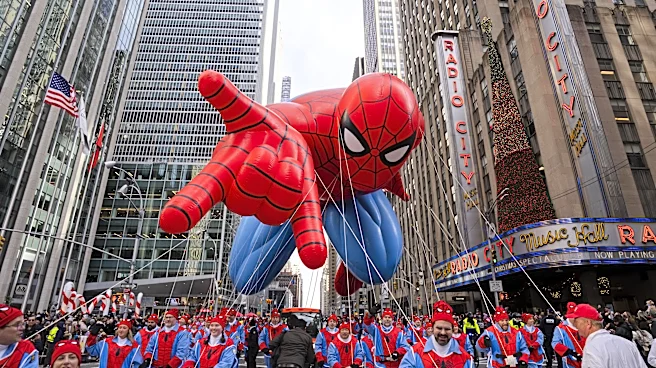
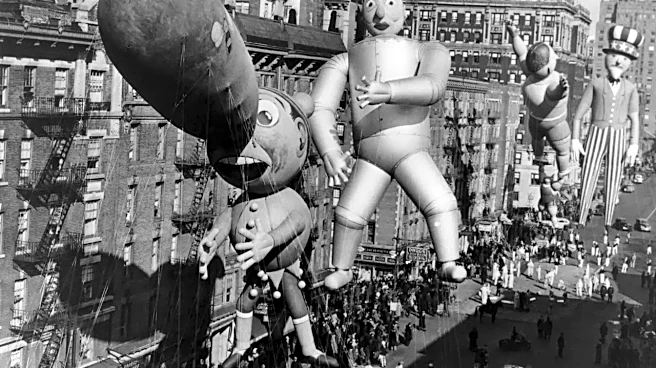
The classic 1947 film 'Miracle on 34th Street' might be a Christmas movie, but it begins at the Macy's Thanksgiving Day Parade. This isn't an accident. The film immediately establishes the parade as the official starting gun for the Christmas shopping
season. Kris Kringle is hired by Macy's because their parade Santa is drunk, instantly tying the 'magic of the season' to the needs of a department store. While the film critiques the soulless commercialization of the holiday, it also reinforces the link between Thanksgiving and spending. Even Kringle's 'goodwill' policy of sending customers to other stores is co-opted as a brilliant marketing stunt to build brand loyalty and, ultimately, make more money. The film cleverly argues that while we may dislike crass commercialism, it's an inseparable part of the American holiday experience.
The Holiday Commute as a Consumer Gauntlet
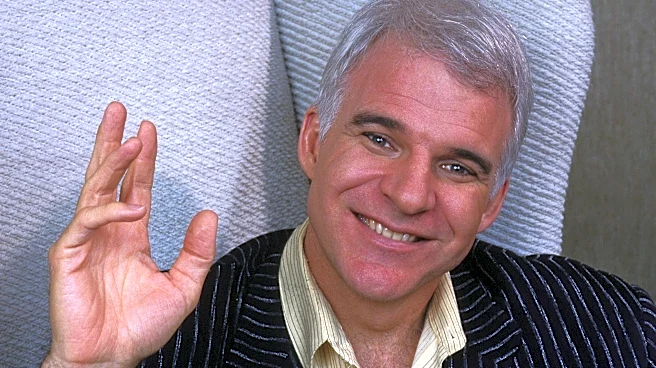
No film captures the frantic, commerce-driven journey home better than John Hughes' 1987 classic, 'Planes, Trains and Automobiles'. Neal Page (Steve Martin), an advertising executive, is desperate to get home to his family, and his entire journey is a series of failed transactions. He can't buy a cab, his first-class plane ticket becomes useless, and his money is stolen. His companion, Del Griffith (John Candy), is a shower curtain ring salesman—a man who literally lives on the road, navigating the world through deals and favors. The film portrays American travel not as a grand adventure, but as a grueling gauntlet of overpriced motels, unreliable rental cars, and systemic failures that can only be overcome with cash, charisma, or sheer desperation. The desired Thanksgiving homecoming is something that must be purchased, one miserable transaction at a time.
The Rise of Black Friday Horror
In recent years, the subtext has become the text. The anxiety of post-Thanksgiving shopping has morphed into a literal horror trope. Eli Roth's slasher film 'Thanksgiving' (2023) uses a deadly Black Friday riot as its inciting incident. The shoppers, whipped into a frenzy over deals on waffle irons, become a monstrous mob, with their consumer lust directly leading to tragedy and a subsequent revenge plot. The film satirizes how the pursuit of bargains can devolve into violence, presenting consumer culture as a villain just as terrifying as the masked killer. This isn't an isolated case; films like 'Black Friday' (2021) also use the shopping holiday as a backdrop for horror, suggesting a deep-seated cultural anxiety about the commercial feeding frenzy that now begins before the Thanksgiving leftovers are even cold.
The Pressure of the 'Perfect' Gathering
Not all consumerism in these films is about buying things. It's also about buying an ideal. In movies like Jodie Foster's 'Home for the Holidays' (1995), the drama comes from the pressure to perform a perfect family gathering. The chaos and dysfunction of the Larson family unfolds against a backdrop of holiday expectations—the perfectly cooked turkey, the harmonious family dinner, the heartwarming traditions. These ideals are themselves products, sold to us through advertising and media. The stress of the holiday in these films often stems from the gap between the messy reality of family and the picture-perfect image we feel obligated to create. The consumer culture here is more subtle: it's the drive to curate an experience that lives up to a commercialized standard of holiday perfection.