





An Emotional Response, Not a Review
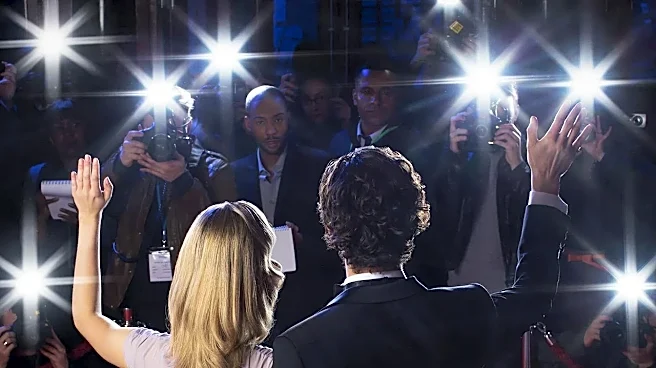
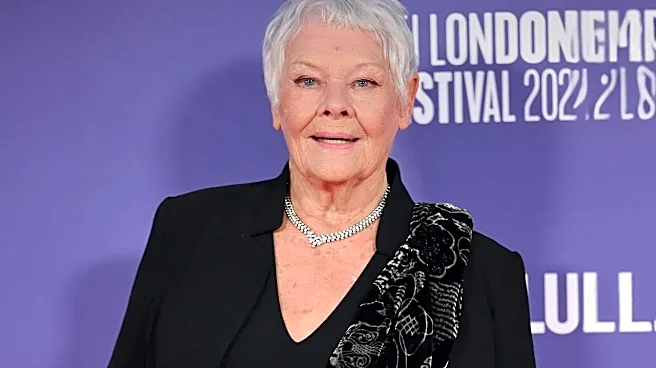
First, it's crucial to understand the setting. A premiere at a major film festival like BFI London is an electric, high-emotion event. The audience is packed with the cast, crew, their families, and devoted cinephiles who are thrilled to be there. In
that context, a standing ovation is often a visceral, in-the-moment expression of appreciation and respect for the monumental effort of filmmaking. It's a thank you to the artists present in the room. A critic, by contrast, files their review hours or days later, after careful consideration. Their job is to analyze the film’s structure, themes, and execution with a cooler head. The ovation is a measure of the feeling in the room, while the review is a considered judgment. They aren't measuring the same thing, and they don't have to align.
A Performance for Potential Buyers
Beyond pure emotion, a standing ovation serves a critical business function. Film festivals are marketplaces. In the audience are distributors and sales agents looking for the next hit. A loud, sustained ovation signals that a film connects with an audience on a gut level. It suggests commercial potential, even if the film has narrative flaws that critics might point out. A wave of applause can generate immediate buzz, prompting headlines that can be leveraged in marketing materials. In some infamous cases, publicists have been rumored to plant 'ringers' in the crowd to artificially extend applause and create a media narrative of success, turning the ovation itself into a strategic PR move.
The Psychology of the Crowd
There's also a powerful social dynamic at play. Once a few people stand, especially those near the front where the cast and crew are seated, a ripple effect often takes over. Nobody wants to be the person who remains seated while everyone else is on their feet, appearing unsupportive or rude. This phenomenon, known as social contagion, means that ovations can build a momentum of their own, driven partly by a collective desire to participate in a shared, celebratory moment. It becomes less about individual critical assessment and more about conforming to the group's energy. The length of the applause can become a kind of game, with media outlets timing them as a proxy for success.
The 'London Factor': A Friendlier Audience
Not all festivals are created equal. Cannes has a reputation for being a high-pressure environment where films are met with both rapturous applause and scathing boos. The BFI London Film Festival, however, is often described as more of a public-facing event—a festival for film lovers. The crowds can be warmer and more inclined to celebrate the work being shown. While a film at BFI might still receive mixed reviews from professional critics, the audience's reaction can be a more generous and enthusiastic endorsement from the general public, which is valuable data in its own right for distributors weighing a UK release.
So, Does It Predict Success?
The short answer is no. Research and history show there is no meaningful correlation between the length of a standing ovation and a film's ultimate critical reception, box office performance, or awards success. Some films that received polite, relatively short ovations went on to become beloved classics and Oscar winners, while others that basked in 15-minute applause faded into obscurity. A film that premieres to a huge ovation and mixed reviews, like Danny Boyle's 'Ink' or Brad Bird's 'Ray Gunn' at recent London festivals, simply tells a more complex story. It reveals a movie that likely has passionate supporters and notable flaws—a film that sparks a conversation, which is often more interesting than one that receives unanimous, and sometimes forgettable, praise.