


The Rule, Demystified
Let’s get one thing straight: the ‘rule’ is almost an anti-rule. It’s the simple act of draping your coat or jacket over your shoulders without putting your arms through the sleeves. It’s a gesture, a styling choice that transforms a functional garment
into an accessory. The coat becomes a cape, a frame for the outfit underneath, and a signal of effortless cool. While it might seem like a recent street-style phenomenon popularized by Instagram, this move has deep roots in classic Hollywood glamour and, more specifically, the polished-yet-unfussy aesthetic of Italian fashion. It’s a deliberate choice that says, “I’m not battling the elements; I’m making an entrance.” In a world of complex trends, its power lies in this very simplicity.
From Milan with Sprezzatura
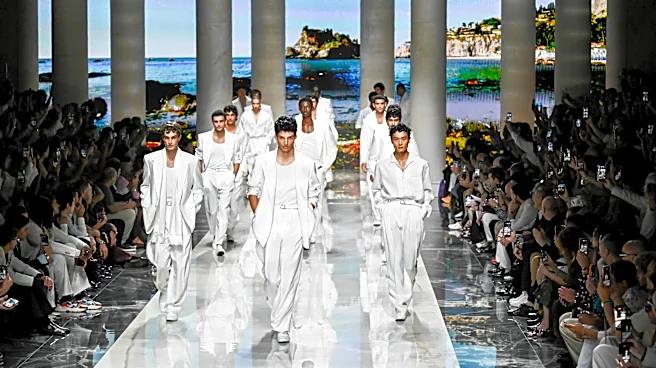
Why ‘Milanese’? Because this styling trick is the physical embodiment of *sprezzatura*, a foundational concept in Italian culture and fashion. Coined in the 16th century, *sprezzatura* is the art of studied carelessness—making something difficult look effortless. Think of an Italian gentleman who has a perfectly knotted tie that’s just slightly askew, or a silk scarf thrown on with nonchalant perfection. The draped coat is the modern equivalent. It’s impractical in a blizzard or on a crowded subway, and that’s the point. It suggests a life lived between a chauffeured car and a well-appointed destination. Rooted in the street style of Milan Fashion Week, where editors, buyers, and models navigate the city’s cobblestone streets, the draped coat became a visual shorthand for being part of the fashion elite. It says you're in the know, moving with a purpose that doesn’t require the full mobility of your arms.
A Bridge from Runway to Reality
What makes this move so compelling is its surprising versatility. While it originated in the high-fashion world, it’s not confined to it. The draped coat acts as a brilliant transitional tool. On a crisp fall day or a cool spring evening, when a fully worn coat is too much, the drape offers the perfect level of warmth and polish. More importantly, it allows you to show off your actual outfit. Too often, a beautiful dress or a carefully curated top-and-pants combo gets hidden under outerwear. Draping your coat keeps the focal point on your clothes while adding a layer of dimension and drama. It elevates a simple jeans-and-tee look into something more considered and transforms a cocktail dress into a full-blown fashion statement. It’s a high-impact, low-effort trick that bridges the gap between what we see on the runway and what we can realistically wear.
How to Master the Drape
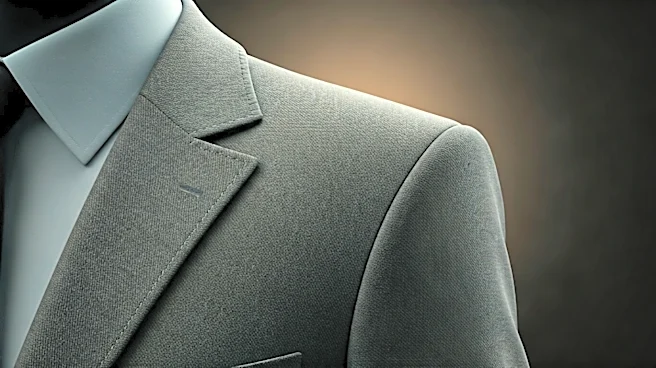
Adopting the Milanese coat rule is less about technical skill and more about confidence. However, a few tips can help you avoid looking like you simply forgot how to put on a jacket. First, structure is your friend. Coats with strong, defined shoulders—like a classic blazer, a trench, or a structured wool overcoat—tend to stay put much better than soft, slouchy styles. The weight of the fabric and the cut will help it grip your shoulders. Second, consider the context. This move is perfect for arriving at a restaurant, walking a short distance on a calm day, or attending an event. It’s less suited for running errands or commuting. Finally, own it. The key to pulling off the look is posture. Stand tall, keep your shoulders back, and walk with intention. The coat isn’t just hanging on; it’s resting there because you decided it should. It’s a subtle power move, a non-verbal cue that you are poised, polished, and in complete control.