




The Suit, Unbuttoned and Reimagined
The biggest message from the runways and streets of New York this September wasn't the death of tailoring, but its radical reinvention. A suit no longer has to feel like a uniform for an accounting conference. Instead, stylists treated classic pieces
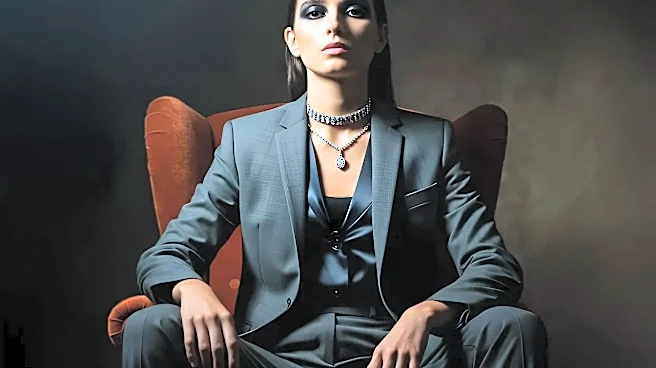
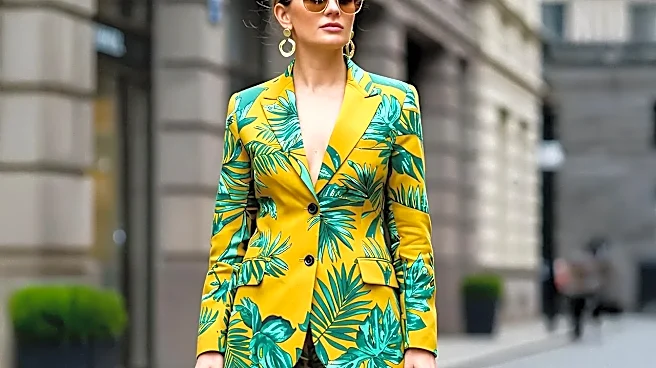
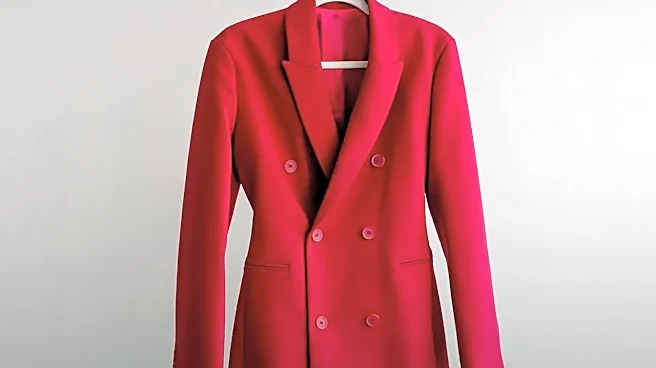
as a starting point for creativity. We saw oversized blazers cinched at the waist with a slim belt, transforming the entire silhouette. Traditional menswear suits were deconstructed, with designers like Thom Browne continuing his career-long project of dismantling gray flannel conformity and rebuilding it as performance art. Street style, a runway in its own right, showed blazers layered over hoodies, dresses, and even corset tops, proving that the structured jacket is fashion’s most versatile power piece. The focus shifted from perfection to intention, with personal style taking precedence over rigid rules.
It's About Personality, Not Just Proportion
So, why the sudden urge to mess with a good thing? It’s a reflection of a broader cultural shift. In an era where individuality is prized, wearing a suit in the traditional way can feel impersonal. The restyling seen at NYFW is about reclaiming these garments and making them your own. It’s a move away from the quiet luxury trend’s emphasis on flawlessly understated (and often expensive) basics toward something more expressive and accessible. The new mood encourages playing with proportions—like a cropped jacket to define the waist or wide-leg trousers paired with a fitted top—to create a look that feels deliberate, not dictated. It’s a way of saying you’re wearing the clothes, not letting the clothes wear you. This approach was visible across the board, from major labels to emerging designers, who are using tailoring to explore themes of rebellion, vulnerability, and cultural identity.
How to Remix Your Own Tailoring
The good news is that you don’t need a front-row ticket to adopt this mindset. It’s about looking at the tailored pieces you already own with fresh eyes. Start simple. Push up the sleeves of your blazer to just below the elbow for a relaxed look that instantly changes its feel. Try layering it over something unexpected, like a graphic tee or even a lightweight hoodie for a high-low contrast that feels modern and unstuffy. Another simple trick is to experiment with belting. Cinching an oversized or boxy blazer at your natural waist can create an entirely new, hourglass shape. Don't be afraid to play with pairings. A structured blazer can bring an edge to a soft slip dress or provide polish to a simple jeans-and-tee combination. The goal isn't to create a costume but to find a higher-resolution version of your own style.
The New Meaning of a 'Classic'
Ultimately, the evolution of tailoring at Fashion Week suggests a new definition of what makes a garment a classic. It’s not about being a museum piece, preserved and worn the same way for decades. Instead, a true classic is something that can withstand, and even invite, constant reinterpretation. The blazer, the trench coat, and the tailored trouser have survived for so long precisely because of their adaptability. They are foundational pieces that can absorb the mood of the moment—be it punk rebellion, corporate power, or relaxed individualism. The recent trend of deconstruction and restyling isn’t an attack on these classics; it's a celebration of their enduring relevance and a confirmation that they belong to everyone, ready to be remixed for a new generation.