







The Spielbergian Miracle
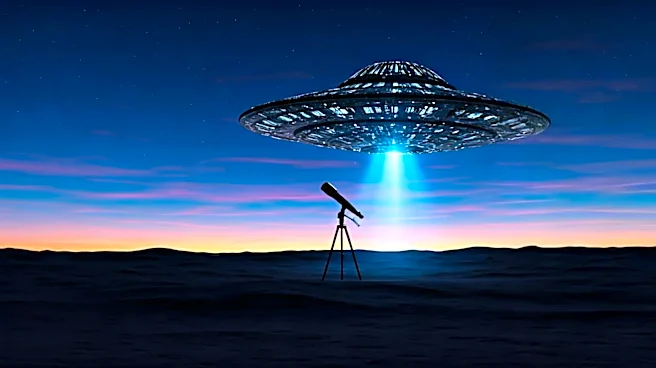
Let’s give credit where it’s due: nobody does awe like Spielberg. When the mothership descends in *Close Encounters of the Third Kind*, casting its warm, melodic light over a dumbstruck Richard Dreyfuss, it’s a moment of secular rapture. When E.T. makes
a bicycle fly or heals a cut with a glowing finger, it’s pure, uncut movie magic. For decades, Spielberg’s vision defined first contact not as a threat, but as a spiritual awakening. His aliens weren’t invaders; they were misunderstood children, gentle prophets, or celestial tour guides who chose a handful of pure-hearted suburbanites to receive their wisdom. They were, in essence, better versions of ourselves, arriving to remind us of our lost innocence. It was a beautiful, hopeful, and profoundly comforting story that dominated pop culture for generations.
Our Friend, The Magical Alien
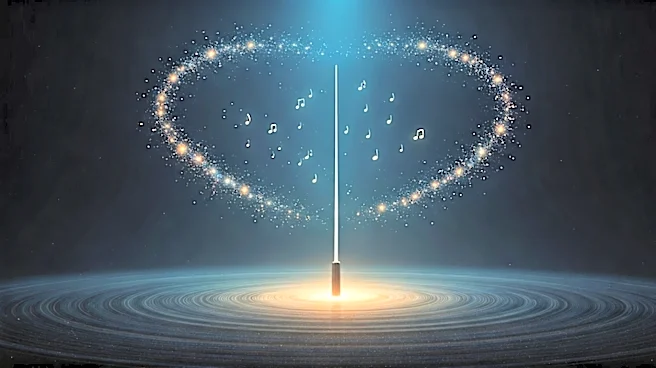
This is the core trope: the alien as a simple, benevolent being who exists to facilitate human emotional growth. E.T. is a lost child who needs to phone home, but his primary function in the story is to heal a broken family and teach a lonely boy about friendship and loss. The *Close Encounters* aliens are cryptic but ultimately gentle, communicating through music and offering a chosen few a journey to the stars. The narrative is always human-centric. The aliens are catalysts for *our* story. They aren’t truly unknowable beings with a complex, potentially indifferent agenda. They are simplified, sanitized, and stripped of any genuine sense of the “other.” They are less a species and more a plot device—a magical, cosmic babysitter arriving just in time to fix our terrestrial problems or validate our sense of cosmic specialness.
Disclosure Isn’t a Light Show
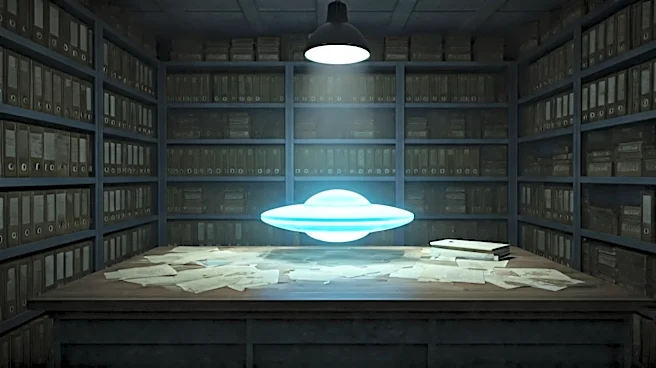
This comforting vision is crashing head-on into the messy reality of the 21st-century UAP conversation. The modern “disclosure” movement isn’t about wonder-filled nights staring at the sky. It’s about grainy FLIR footage, terse pilot debriefs, congressional hearings, and bureaucratic infighting. The phenomena being described by Navy pilots and intelligence officials are not friendly or communicative. They are characterized by “trans-medium travel,” “instantaneous acceleration,” and a complete disregard for our most advanced military hardware. These aren’t beings waiting to play a five-note melody with us. They are profoundly strange, technologically superior, and utterly indifferent to our desire for a heartwarming narrative. The Spielbergian trope feels deeply naive and almost childish when placed next to a government report on objects that can allegedly move from 80,000 feet to sea level in seconds.
We Need a New Story
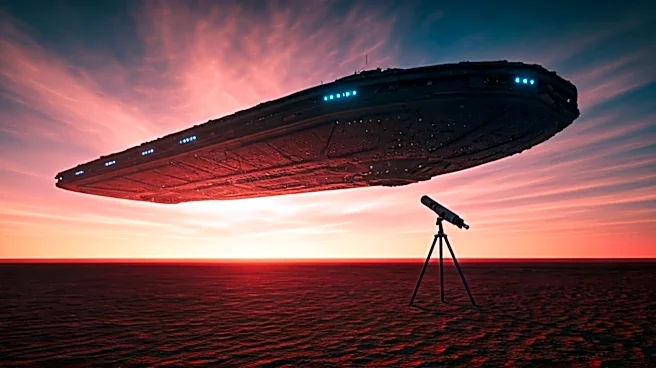
Retiring the benevolent visitor trope doesn’t mean we must default to H.G. Wells-style invaders hell-bent on destruction. It means embracing complexity and the true terror of the unknown. Films like Denis Villeneuve’s *Arrival* and Alex Garland’s *Annihilation* are already leading the way. In *Arrival*, the aliens are so different that communication itself is a monumental, brain-altering challenge. In *Annihilation*, the alien presence is more like a mindless, mutating force of nature than a character with intentions. These stories respect the audience’s intelligence by admitting that first contact might not be about us at all. It might be confusing, terrifying, incomprehensible, or even just… weird. That’s a far more interesting and honest place to start a story in an era where the term “Non-Human Intelligence” is being uttered in the halls of Congress.