




The Age of the Filtered Playa
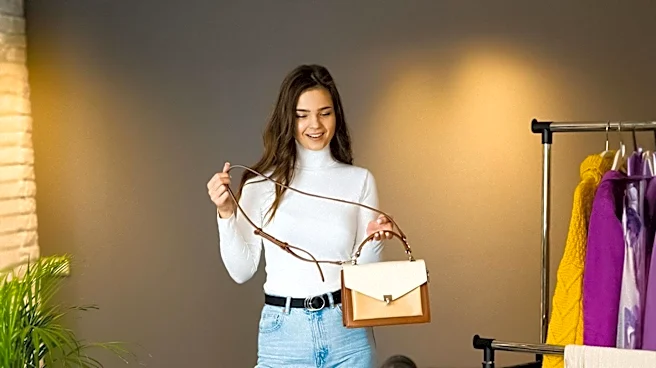
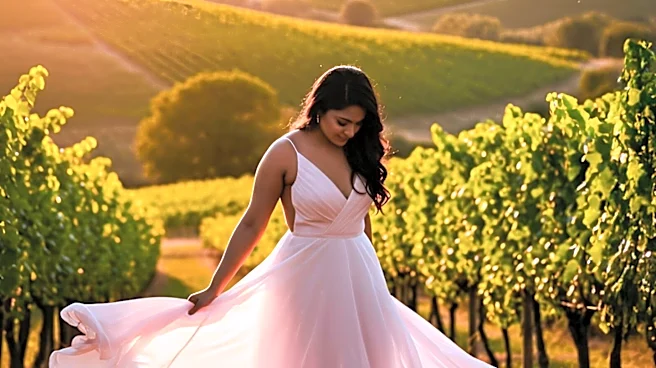
Not so long ago, in the high-noon of Millennial influence, the social media feed from Black Rock City was a spectacle of curated perfection. From roughly 2012 to 2018, Burning Man became synonymous with a certain Instagram aesthetic: flawless models,
elaborate, festival-ready fashion, and professionally shot photos that looked more like a magazine spread than a dispatch from a temporary city built on principles of self-reliance. This was the era of the influencer, where the dusty, unpredictable playa was transformed into the ultimate backdrop for brand-building. The goal wasn't just to document the experience; it was to perform a heightened, aspirational version of it. Posts were often geotagged, hashtagged, and sometimes even sponsored, a practice that flew in the face of the event's core principle of decommodification. This commodification became so rampant that by 2019, Burning Man's CEO publicly denounced the trend, calling for a "cultural course correcting" away from those using the event as a commercial backdrop.
From Radical Self-Expression to Personal Branding
The Millennial approach was a product of its time. Instagram, then a photo-first platform, rewarded static, beautiful images. It was the dawn of the influencer economy, and a strong personal brand was a valuable currency. For many, a trip to Burning Man wasn't just a vacation, it was a content opportunity—a chance to signal creativity, worldliness, and a kind of curated cool. Luxury camps, sometimes described as 'turnkey' or 'plug-and-play,' emerged to cater to this crowd, offering a more convenient, less self-reliant experience that was at odds with the event's rugged ethos. This created a cultural friction that many longtime attendees lamented, feeling that the original spirit of radical participation was being replaced by consumerism and social climbing. The myth being sold was one of effortless adventure and aesthetic perfection, a story that was as much about the individual's brand as it was about the collective experience.
The Gen Z Remix: Chaos and Community
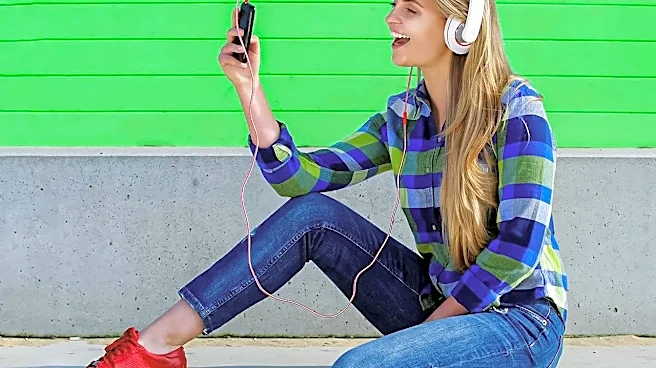
Enter Gen Z. Armed with TikTok, BeReal, and a deep-seated skepticism of Millennial polish, their portrayal of events like Burning Man is fundamentally different. Where Millennials posted a single perfect sunset photo, Gen Z posts a 15-second video of their camp's art car malfunctioning, set to a trending, ironic sound. The new online myth isn't about individual perfection; it's about collective, often chaotic, participation. Gen Z, who spend hours a day on social media, use platforms like TikTok more like a search engine and a space for community-driven trends. They value engagement, memes, and a sense of shared experience over the curated solo shot. Their content is often lo-fi, unedited, and self-deprecating, prioritizing humor and relatability over aspiration. The story is no longer 'look how perfect I am,' but 'look at this weird, funny thing we're all a part of.'
An Authenticity Reset
This shift is a direct reaction to the perceived inauthenticity of the influencer era. Gen Z values authenticity above all else, and they can spot a sales pitch from a mile away. Their digital language is built on transparency and a rejection of the curated life. While Millennials view influencers as a profession that should be transparent, Gen Z often sees them more like highly knowledgeable friends, a dynamic that demands a more genuine connection. This translates to content that showcases the grit, the mishaps, and the unglamorous reality alongside the beauty. It's a move away from the performance of perfection and toward the documentation of reality, warts and all. This doesn't mean Gen Z isn't creating a myth; they are. But their myth is one of unfiltered moments, inside jokes, and a shared, messy humanity, built not on a pedestal but in the digital trenches of comment sections and video replies.