




The 'Chest Match' Theory
On the surface, the logic is sound. You don’t want your face to look like a floating mask, disconnected from the rest of your body. Since the chest is often exposed by necklines, it seems like the perfect benchmark. The goal is cohesion, and matching
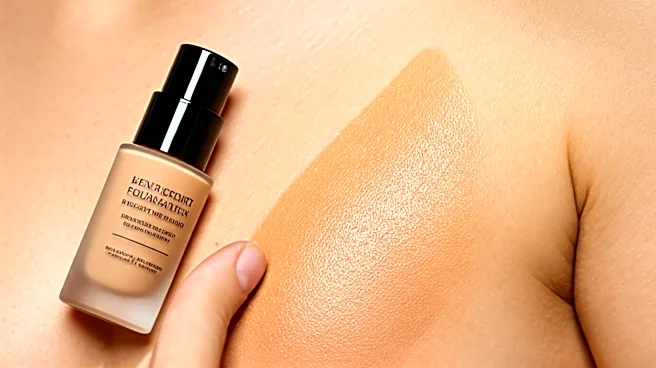
your face to your décolletage feels like a direct path to achieving it. This advice has been passed down from beauty counters to YouTube tutorials for decades, becoming an almost unquestioned rule for millions of makeup wearers. The idea is simple: if your chest has a warm, golden tan, your face should, too. If your chest is pale and porcelain, your foundation should follow suit. It promises to solve the dreaded demarcation line along the jaw, creating one harmonious skin tone from the forehead down.
Why This Common Advice Fails
Here's the problem: your chest is an unreliable narrator. For most people, the skin on the face, neck, and chest are three different colors with potentially different undertones. The chest is a prime target for sun exposure, often making it darker, redder, or more freckled than the face, which we diligently slather with SPF 50. Conversely, if you're a religious sunscreen user on your face and neck but forget your chest, your face might be significantly paler. The skin on the chest also has a different texture and can be prone to redness or hyperpigmentation that isn’t present on the face. When you match your foundation to a tanner chest, you risk your face looking too dark or orange. When you match to a redder chest, your face can look flushed and unnatural. You end up trying to force your face to be something it isn't, rather than enhancing what’s there.
The Pro Alternative: The Jawline Is Your True North
So, if the chest is out, where should you be swatching? Ask any professional makeup artist, and they’ll point to one place: the jawline. The jaw is the perfect neutral territory. It’s the transitional zone where your face meets your neck, and it’s the area where a mismatch will be most obvious. The goal of foundation isn’t to make your face match your chest; it’s to create a seamless transition between your face and your neck. By testing shades on your jawline, you can see if a color successfully bridges the gap between both areas. A perfect match will seemingly disappear into your skin, unifying your face and neck without creating a harsh line or an obvious color shift. You’re not trying to copy one area, but find a shade that harmonizes multiple.
Your Foolproof Matching Checklist
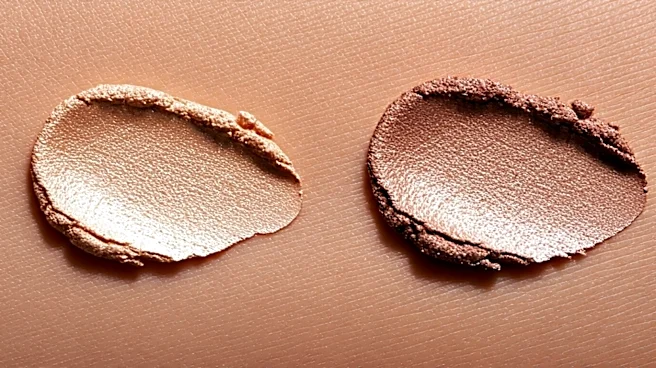
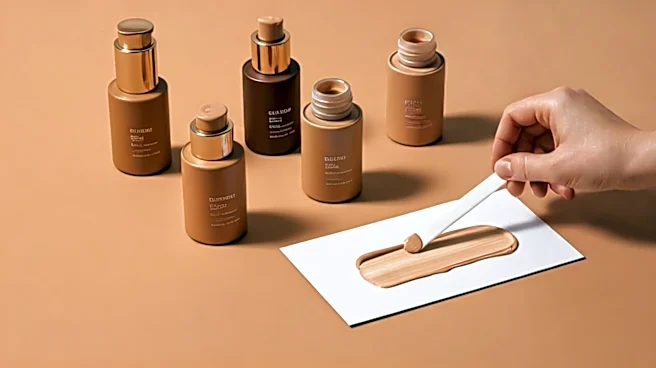
Finding 'the one' is easier when you have a system. First, always shop with a clean, moisturized face to see your true skin. Second, pick three shades that look close and stripe them on your jawline, extending slightly down your neck. Don’t rub them in. Third, and this is crucial, walk over to a window or step outside. Artificial store lighting is notoriously misleading; natural daylight tells the truth. Fourth, give the swatches a few minutes to dry. Some formulas oxidize, meaning they darken as they interact with the air and oils on your skin. The shade that disappears most completely in natural light is your winner. It might not be a perfect replica of your chest or even your forehead, but it will be the shade that makes your entire complexion look cohesive, natural, and effortlessly blended.