
What Exactly Is 'Gorpcore'?
First, let's get the name out of the way. "Gorp" is a classic hiker's term for trail mix, an acronym for "Good Ol' Raisins and Peanuts." Coined by a writer for The Cut in 2017, "gorpcore" describes the trend
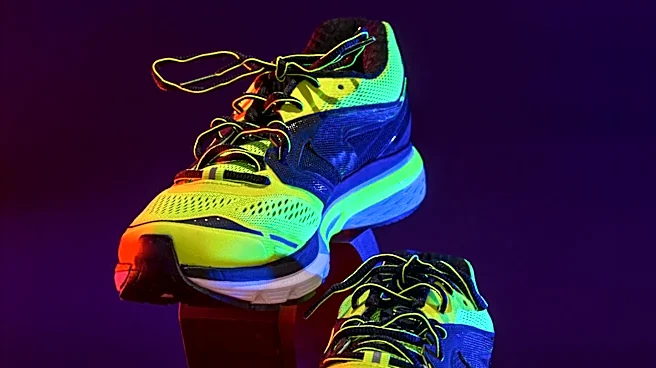
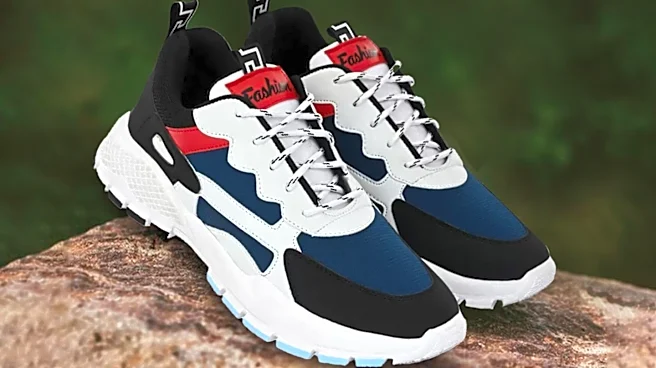
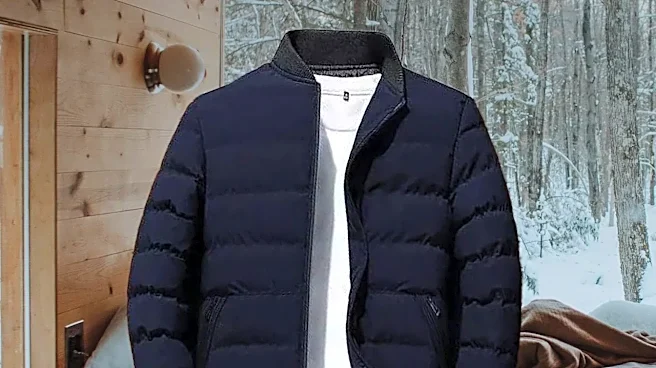
of wearing technical, functional outdoor clothing in everyday urban settings. Think of The North Face puffers on the subway, Patagonia fleeces at a coffee shop, and Salomon trail runners that have never seen a trail. It’s a style built on practicality, where waterproof shells, cargo pants, and layers designed for performance are worn for their aesthetic and utility, not just for summiting mountains. At its heart, gorpcore is about valuing function, durability, and a certain rugged authenticity over flashy logos and fleeting trends.
From the Trail to the Runway
Gorpcore didn't just appear out of nowhere. For years, brands like Patagonia, Arc'teryx, and The North Face built their reputations on performance, not fashion. But as celebrity trendsetters like Frank Ocean and A$AP Rocky started incorporating these pieces into their wardrobes, the line between outdoor gear and streetwear began to blur. The COVID-19 pandemic supercharged this shift, as lockdowns pushed people to rediscover the outdoors, normalizing functional apparel for a much wider audience. Simultaneously, high fashion took notice. Collaborations like Gucci x The North Face and Arc'teryx x Jil Sander brought gorpcore onto the runway, cementing its status as a legitimate style movement. Suddenly, a technical jacket wasn't just for braving the elements; it was a status symbol.
The Functional Revolution
The most significant legacy of gorpcore isn’t a specific item, but a shift in mindset. It taught a generation of consumers to appreciate what their clothes can do. Before gorpcore hit the mainstream, technical fabrics like Gore-Tex, utilitarian pockets, and performance-focused silhouettes were largely confined to the outdoor community. The trend normalized these features for everyday wear. People got used to jackets that were genuinely waterproof, pants with useful pockets, and footwear that was comfortable all day. This created a new baseline expectation for apparel: it should not only look good, but also serve a purpose. This pivot toward practicality has had a lasting impact, making function a key consideration in everything from casual wear to office attire.
The Unlikely Parent of New Minimalism
As gorpcore matured, its influence became more subtle, quietly shaping the trends that followed. Its emphasis on quality, performance, and understated branding laid the groundwork for the rise of "quiet luxury." Both trends reject loud logos in favor of high-quality materials and timeless design. While one is rooted in ruggedness and the other in refined elegance, they share a core value: investing in pieces that last. This has given rise to a hybrid trend some call "quiet outdoors," which blends the minimalist aesthetic of quiet luxury with the functional integrity of gorpcore. It favors sophisticated, logo-free technical wear from brands that prioritize performance. It's a style that proves gorpcore's biggest impact wasn't just the clothes it popularized, but the values it instilled: a preference for substance, utility, and enduring quality.