







Every October, we revisit horror classics that feel different—more grounded, more visceral. That unsettling feeling isn't just nostalgia; it’s the power of practical effects, a tangible artistry that computer graphics still struggle to match.
The Uncanny Feeling of Realness
There’s a
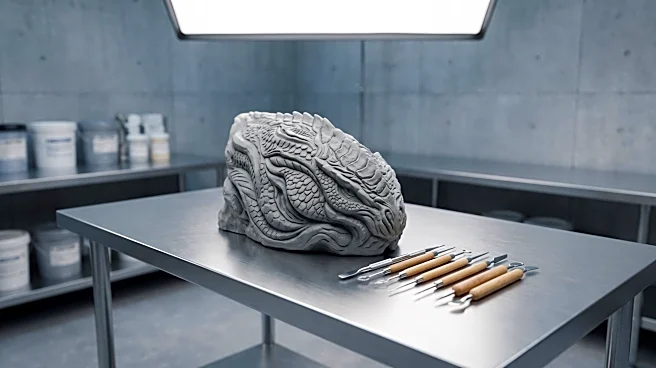
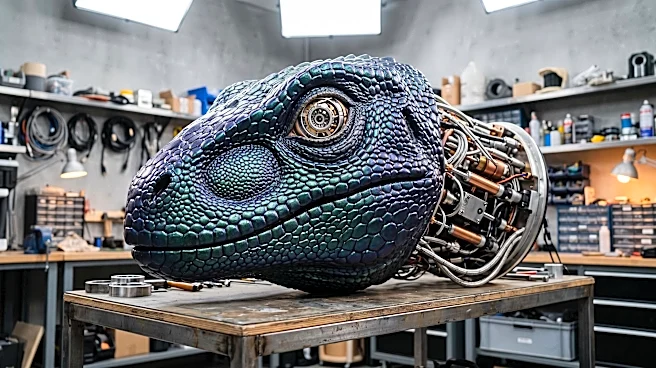
fundamental, almost primal difference between watching a computer-generated monster and one built from latex and steel. Practical effects—creatures, prosthetics, and gore created physically on set—have a tangible presence that our brains register as authentic. They occupy real space, interact with light and shadow naturally, and force actors to give genuine reactions to something physically present in the room with them. This isn't just an aesthetic choice; it's a psychological one. While CGI can sometimes fall into the "uncanny valley" where near-perfect creations feel unsettlingly fake, practical effects operate on a different axis. An animatronic puppet might be imperfect, but its physical weight and movement provide sensory cues that make it easier for our minds to suspend disbelief. The result is a more immersive and visceral horror experience, one that grounds the fantastical in a reality you feel you could almost reach out and touch.
An Art Form You Can Hold
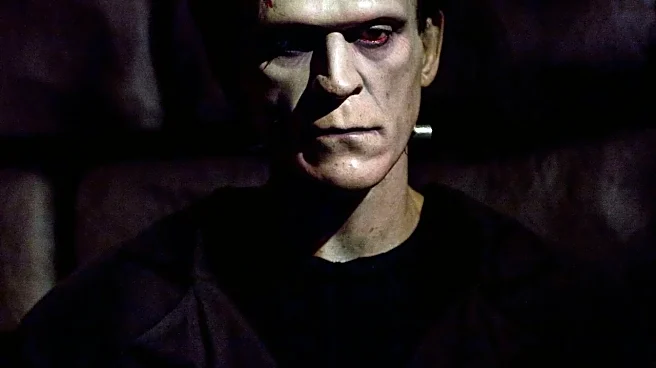
Behind every great practical effect is a team of artisans: sculptors, puppeteers, and makeup artists who are as much auteurs as the film's director. The golden age of the 1970s and '80s produced legends like Rick Baker, Rob Bottin, and Tom Savini, who revolutionized what was possible on screen. Baker's transformative work on "An American Werewolf in London" was so groundbreaking it led to the creation of the Academy Award for Best Makeup. This craftsmanship is a key part of its cultural weight. In an era of digital saturation, audiences have a renewed appreciation for things made by hand. Watching the grotesque, intricate transformations in John Carpenter's "The Thing" leaves viewers in awe not just of the horror, but of the sheer ingenuity required to make it happen in-camera. That artistry creates a lasting legacy that many purely digital creations, which can look dated as technology advances, struggle to achieve.
A Legacy That Refuses to Die
Decades after their release, the signature moments of practical effects horror remain burned into our collective memory. The chestburster scene in "Alien," the head-spider in "The Thing," and Seth Brundle's slow, agonizing transformation in "The Fly" are still profoundly disturbing. These effects hold up because they were designed with physical limitations in mind, forcing a level of creativity that often ages better than early CGI. While computer graphics are invaluable for creating impossible worlds or enhancing scenes, their overuse can lead to a sense of visual fatigue among audiences who can now easily spot artificiality. The raw, messy, and often visceral results of practical gore and creature design feel more immediate and shocking, connecting with viewers on a guttural level.
The Modern Renaissance of the Tangible
The appreciation for practical effects isn't just about nostalgia; it's a driving force in contemporary horror. Filmmakers like Guillermo del Toro have championed the use of physical creature effects, often blending them seamlessly with digital enhancements. Recent horror films like "The Autopsy of Jane Doe," the "Evil Dead" remake, and "Krampus" have been praised for their commitment to practical work, proving its power to terrify modern audiences. In some cases, studios have even course-corrected; the 2011 prequel to "The Thing" was famously shot with practical effects before the studio insisted on replacing them with CGI, a decision many fans still lament. Today, the most effective approach is often a hybrid one, using practical effects as a realistic base that is then amplified by digital tools. This modern movement shows that the cultural weight of practical effects comes from an enduring truth: horror is a physical experience, and nothing feels more real than a monster you know was actually there on set.