
San Diego: Hollywood's Summer Blockbuster Launchpad
San Diego Comic-Con (SDCC), born in 1970, is the elder statesperson of the two, and its identity is inextricably linked to Hollywood. Its July timing is no accident; it’s perfectly positioned as a high-impact
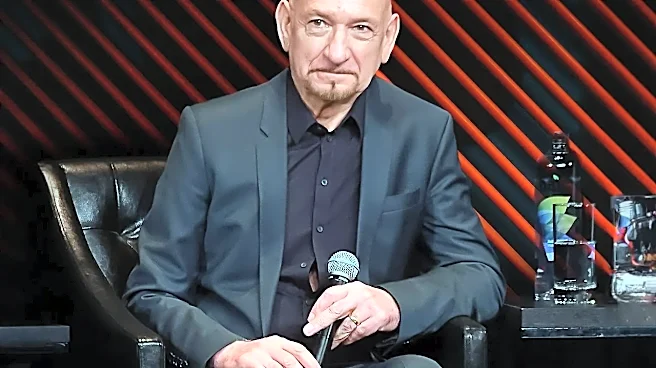
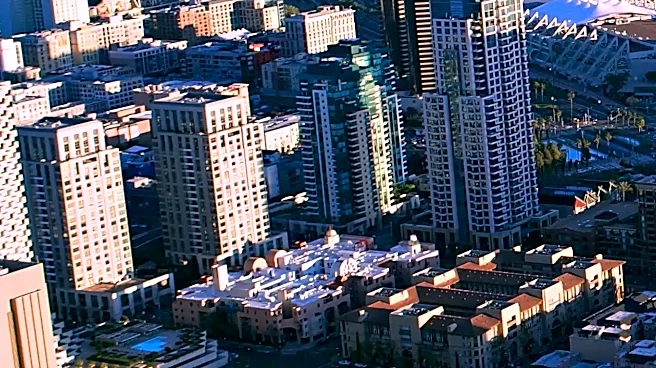
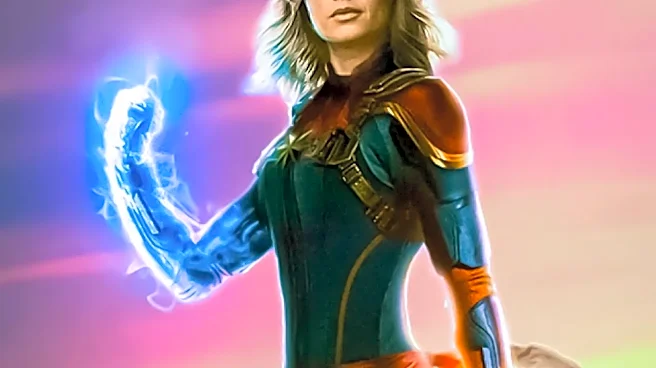
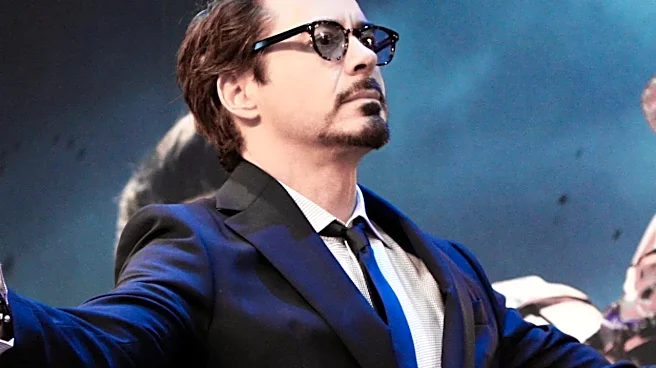
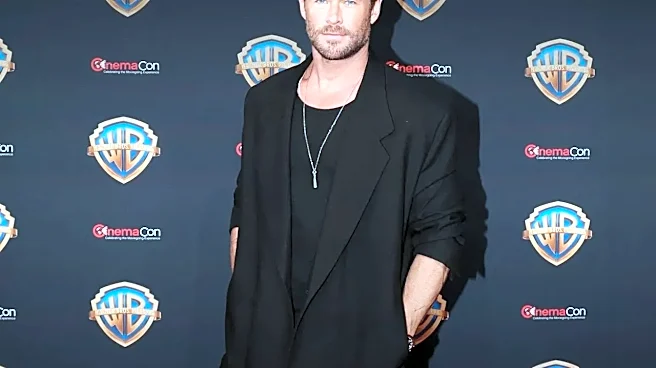
marketing platform for the major film and television studios based just a few hours away in Los Angeles. For decades, Hollywood has used SDCC as a crucial tool to generate global buzz for its upcoming blockbusters and tentpole streaming series. This is where studios premiere trailers, host star-studded panels in the legendary 6,500-seat Hall H, and create massive, immersive off-site "activations" that take over downtown San Diego's Gaslamp Quarter. The entire city transforms into a marketing spectacle. The primary business here is generating hype. Studios like Marvel and HBO return year after year because a successful Hall H presentation can dominate the entertainment news cycle for days, creating invaluable word-of-mouth excitement that powers a project's promotional campaign for months.
New York: The Publishing and Media Hub
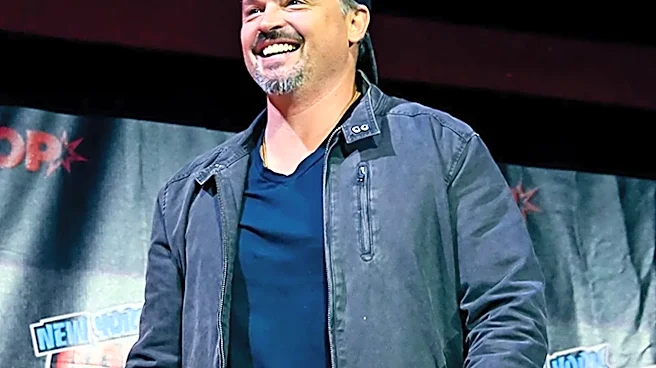
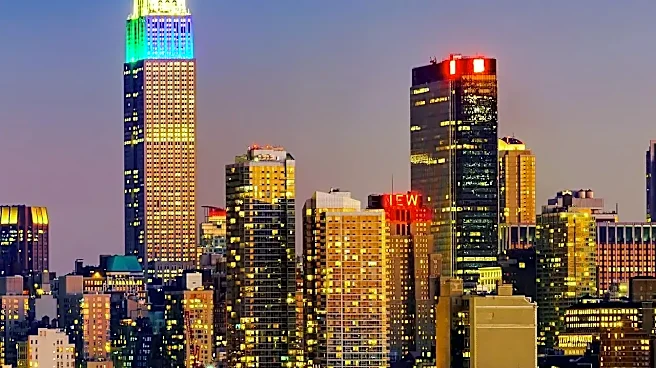
New York Comic Con (NYCC), a relative newcomer founded in 2006, serves a different master. Taking place in October, it’s located in the undisputed capital of the American publishing, media, and licensing worlds. This geographical and calendar alignment makes it a vital hub for book publishers like Penguin Random House and Simon & Schuster, who use the event to launch major fall and holiday titles, especially graphic novels and genre fiction. While major film and TV studios certainly have a presence, NYCC's core business feels more grounded in the industries that call the East Coast home. It’s a critical event for comic book publishers and distributors, and features one of the industry's most respected Artist Alleys, where creators connect directly with fans and editors. Panels at NYCC often have a stronger focus on the craft and business of comics, and the event serves as an important networking opportunity for writers, artists, and publishing professionals.
The Vibe: Spectacle vs. Connection
These different industry priorities create two distinct experiences. San Diego is often described as pure spectacle. The fan experience is dominated by long lines for exclusive movie previews and the chance to glimpse a celebrity. The convention spills out from the convention center, with the entire downtown area becoming an extension of the show floor, full of branded experiences and parties. It’s an event largely defined by what massive corporations are marketing to the masses. New York, by contrast, is often described as more fan-driven and comics-focused. While it has grown into a massive event itself, it is primarily contained within the Javits Center. The atmosphere can feel more manageable, with a greater emphasis on discovering new artists, attending author signings, and engaging in panels focused on specific fandoms like anime, which has a much larger presence at NYCC. It’s less about being sold to and more about connecting with the creators and communities behind the content.
Different Cons, Different Goals
Ultimately, the two conventions have evolved to serve the unique rhythms of their home cities. SDCC is a nonprofit organization with a mission dedicated to the appreciation of comics and popular arts, but its proximity to Hollywood has transformed it into an essential marketing stop for the global entertainment industry. Its economic impact on San Diego is massive, driven by the influx of studios, media, and fans from around the globe. NYCC is a for-profit venture run by ReedPop, which organizes conventions worldwide. Its focus aligns with its New York location, serving as a B2B hub for publishers, toy manufacturers, and licensors, while also delivering a massive fan festival. It’s where the business of comics, books, and anime gets done, culminating in a celebration for the fans who power those industries all year long. The result is two vital, yet fundamentally different, pillars of the pop culture landscape.