







Embrace the Regional Hub
The single most important strategy for this tournament is to abandon the idea of a coast-to-coast trek. The distances are simply too vast. Instead, think in clusters. Pick a regional hub and focus on the games within a reasonable travel radius. The Northeast
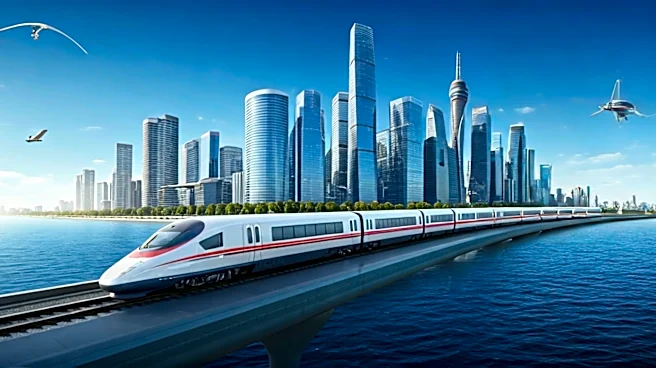
Corridor is a prime example, with Philadelphia, New York/New Jersey, and Boston in relatively close proximity. Rail travel here is not just possible, but often faster and less stressful than flying. Similarly, a fan could base themselves in the Pacific Northwest to see matches in Seattle and Vancouver, which are connected by road and rail. By clustering your itinerary, you turn a logistical nightmare into a manageable and more enjoyable regional tour.
Know Your Transport Tiers
Smart travel is about using the right tool for the job. For the long-haul jumps—say, from Los Angeles to Kansas City or Miami to Toronto—flying is unavoidable. Book these flights as far in advance as possible, as last-minute fares will be astronomical. For medium-distance travel within a region, trains and buses are your best friends. Amtrak is a strong option in the Northeast, connecting cities like Philadelphia and New York. Recent data also shows a massive surge in intercity bus travel on services like Greyhound and FlixBus, especially on corridors like New York-Boston, as fans seek affordable alternatives to flying. For shorter hops or in sprawling metro areas like Dallas or Houston, a rental car might offer the most flexibility, though stadium parking will be limited and expensive.
The Cross-Border Calculation
Traveling between the U.S., Canada, and Mexico is a defining feature of this tournament, but it adds a layer of complexity. There is no unified “World Cup Visa.” You must meet the separate entry requirements for each country, which for many international travelers means securing an ESTA for the U.S. and an eTA for Canada in advance. Ensure your passport is valid for at least six months beyond your planned departure. While flying is the most common way to cross, some land borders are feasible, like between Seattle and Vancouver. However, officials advise against land travel across the U.S.-Mexico border due to potential delays and security concerns in certain areas. Always have digital copies of your travel authorizations and match tickets readily available on your phone.
Mastering the 'Last Mile'
Getting to a host city is only half the battle; the final journey to the stadium on match day requires its own plan. Many stadiums, like those in the Dallas (Arlington) and Boston (Foxborough) areas, are not in the city center and have poor public transit links. For these venues, official shuttle buses or pre-booked car services are often the only reliable options. In contrast, cities like Philadelphia and Seattle offer direct rail connections to their stadiums. Every host city has a different plan, so research your specific stadium's transit options well in advance. Relying on rideshare services like Uber and Lyft is a risky bet, as surge pricing can be extreme and drivers often avoid the intense congestion around stadiums after matches.