
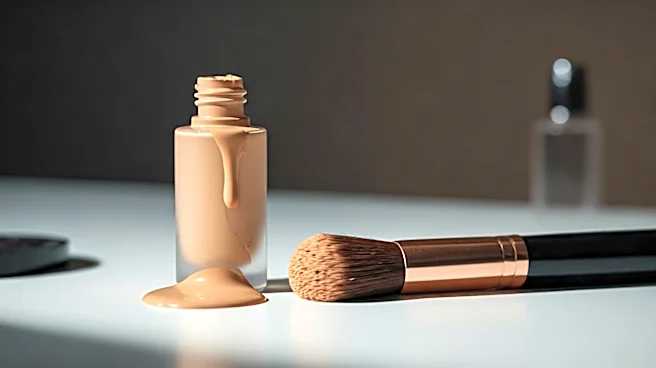


The Foundation of Flawless
Before a single drop of concealer is applied, the real work begins with skin prep. Makeup artists know that long-lasting makeup isn't about caking on product; it's about creating a perfectly prepped canvas. On a long summer day, that means managing both
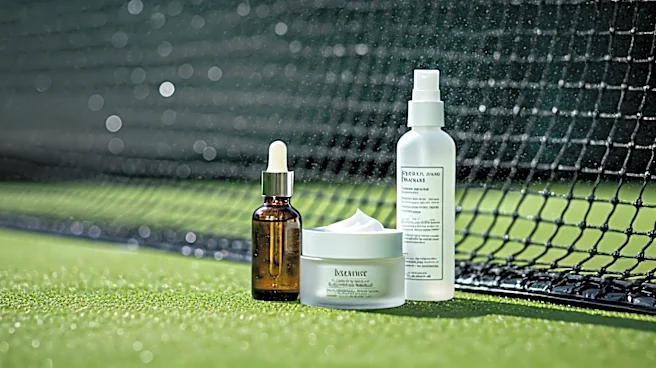
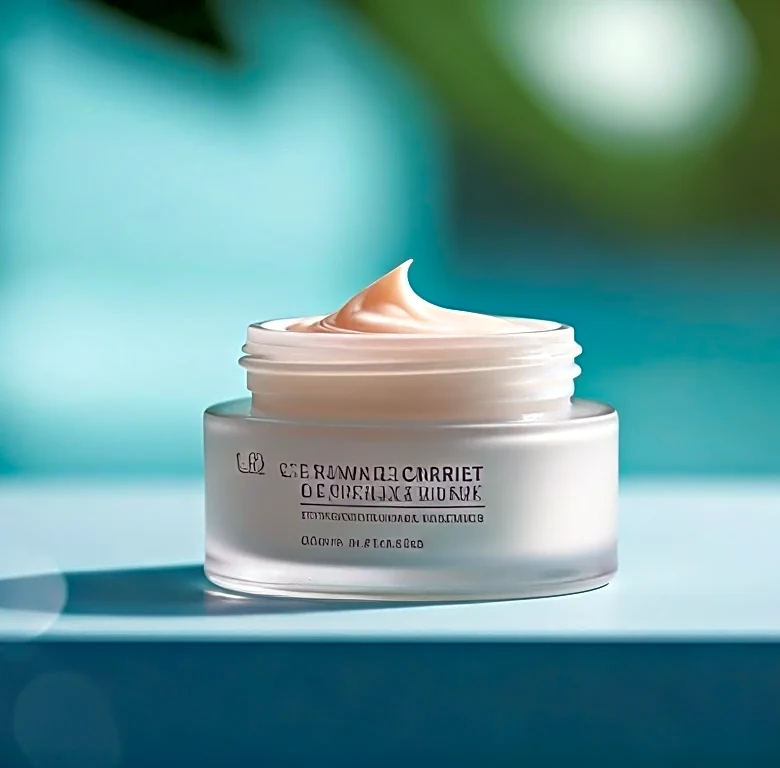
hydration and oil. The game plan starts with a lightweight, oil-free moisturizer or gel-cream to hydrate the skin without adding heavy emollients that can cause makeup to slide. A good eye cream is non-negotiable, especially for the delicate under-eye area. This ensures the skin is plump and smooth, preventing concealer from settling into fine lines. The next crucial step is primer. A mattifying or gripping primer creates a smooth, slightly tacky base that makeup can adhere to, significantly extending its wear time. This strategic prep is the first line of defense against heat and humidity.
Choose Your Champion Concealer
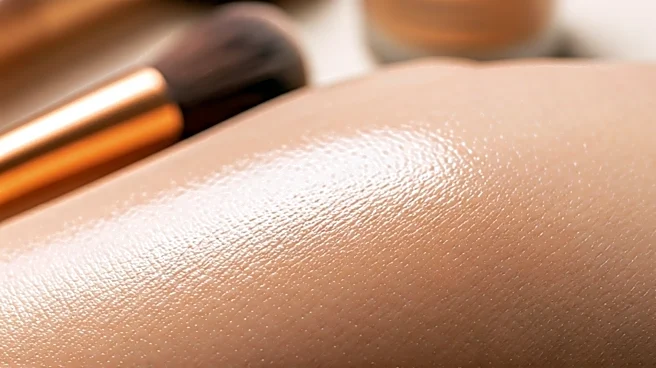
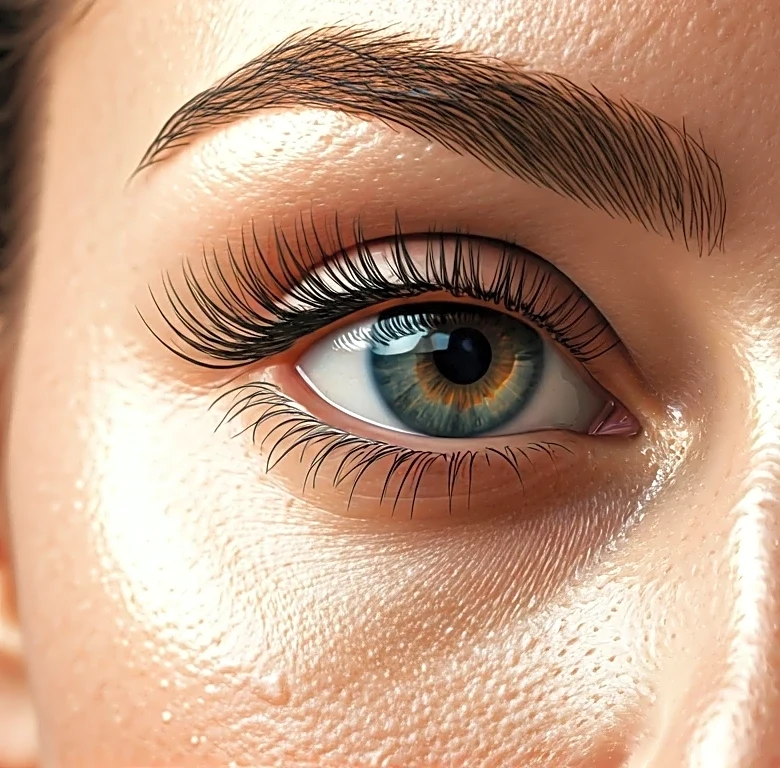
Not all concealers are created equal, especially when the goal is a soft-focus finish that lasts. Heavy, matte concealers might offer longevity but often look cakey and can crack under pressure. Pro artists opt for lightweight, long-wearing formulas that offer buildable coverage and a natural, skin-like finish. Look for products described as “radiant,” “luminous,” or having a “satin finish.” These often contain light-diffusing particles that create the soft-focus effect, blurring imperfections without masking the skin entirely. Many modern formulas also include skincare ingredients like hyaluronic acid and caffeine, which help hydrate and depuff the under-eye area, contributing to a fresher look all day. The key is a product that moves with your skin, rather than sitting on top of it like a stiff mask.
A Game of Inches: Precision Application
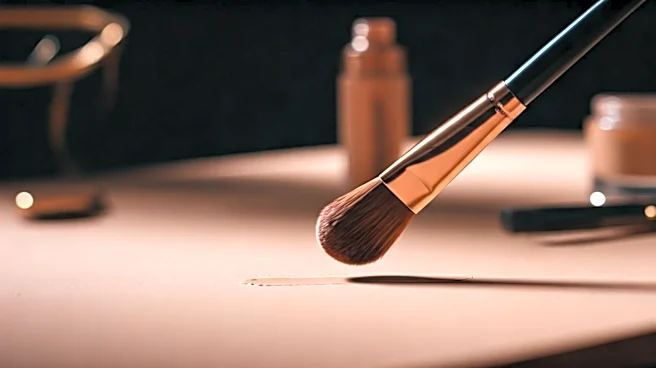
The “less is more” philosophy is a professional mantra for a reason. Instead of swiping on thick triangles of product, artists apply concealer strategically and sparingly. Using a small brush or the tip of a doe-foot applicator, they place small dots of concealer only where needed most—typically the inner corner of the eye to counteract darkness and a small amount on the outer corner for a lifting effect. Blending is just as critical. A damp beauty sponge is often the tool of choice, used with light tapping or stippling motions to press the product into the skin. This technique melts the concealer seamlessly into the base, providing coverage without unnecessary bulk. Swiping or rubbing can move the product around and lead to a streaky, uneven application. Building coverage in thin layers is another pro secret for a finish that is both effective and undetectable.
The Art of the Set: Locking It In
Once the concealer is perfectly blended, it’s time to lock it in for the long haul. This is a delicate balance; the goal is to set the product without sacrificing the soft-focus glow. Artists often use a finely milled, translucent setting powder. Instead of dusting it all over with a big brush, they use a smaller, fluffier brush or a powder puff to press a light veil of powder specifically over the concealed areas. This targeted application prevents the under-eye from looking dry or overly matte. Some artists let the powder “bake” for a minute or two to absorb any excess oil before gently dusting away the excess, though for a more natural look, a lighter touch is often preferred. If you have dry skin, you might even skip powder and go straight to the final step.
The Final Seal: A Championship Finish
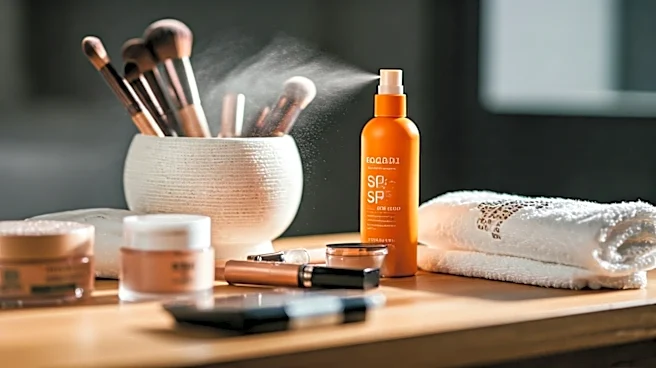
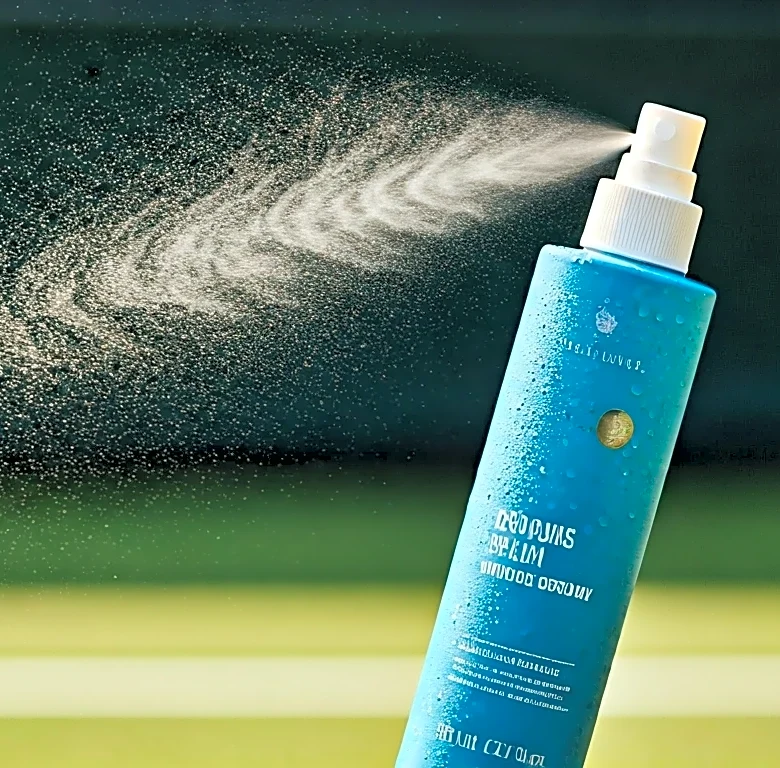
The final play is a generous mist of setting spray. This is the step that truly melds all the layers of makeup together, taking away any powdery residue and creating a unified, skin-like finish. A good setting spray acts like a flexible, invisible shield, protecting your makeup from sweat, humidity, and transfer. Makeup artists often use a technique called a “setting spray sandwich,” where they mist the face after primer, after foundation/concealer, and again as the very last step. This layering technique creates multiple barriers that ensure the makeup remains resilient from the first serve to match point. For touch-ups during the day, blotting papers are your best friend—they absorb excess oil without disturbing the makeup underneath.