


The Myth: A Guaranteed Goal-Scoring Chance
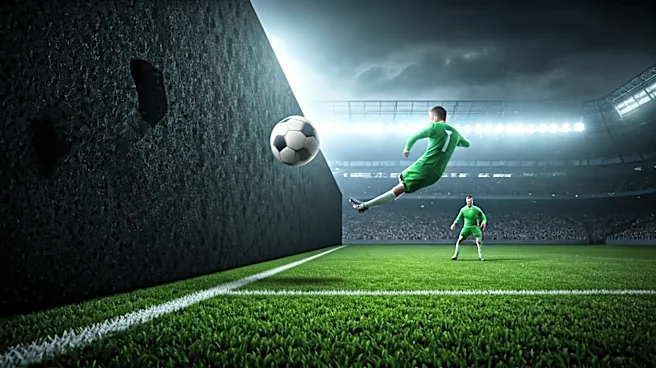
In the iconography of soccer, the direct free kick is a moment of unparalleled drama and opportunity. The game stops. All eyes fix on one player, poised to strike. From the stands, and especially on television, it looks like a free shot. The shooter has
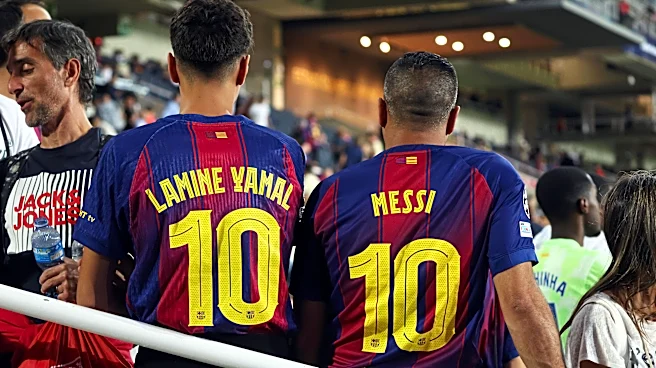
time to set up, measure their steps, and pick a corner. Commentators build the tension, listing the player's past successes. We remember David Beckham’s iconic curve, Lionel Messi’s pinpoint accuracy, or Cristiano Ronaldo’s powerful 'knuckleball' shots. The narrative is clear: a player with skill, just 20-25 yards from goal, is heavily favored to score. The defensive wall seems like a minor inconvenience and the goalkeeper a helpless spectator about to be beaten. It feels less like a chance and more like a penalty.
The Fact: A Surprisingly Low-Percentage Play
The statistical reality of the free kick tells a vastly different story. While the exact numbers vary slightly by league and season, data analysts consistently find that the conversion rate for direct free kicks is remarkably low. In Europe’s top professional leagues, only about 6% to 10% of all direct free kicks result in a goal. That means for every ten opportunities, nine of them end with the ball hitting the wall, flying over the bar, or being saved. To put that in perspective, it’s a far less efficient way to score than a typical shot from open play within the penalty area. The myth is fueled by memory bias; we vividly recall the spectacular goals that go viral, but we immediately forget the nine that don’t even trouble the keeper. The free-kick specialist is celebrated precisely because they are the rare exception to the rule.
The Wall: More Than Just a Barrier
The defensive wall is the most obvious obstacle, and its tactical importance can't be overstated. A well-organized wall, positioned correctly by the goalkeeper, effectively cuts off a significant portion of the goal. It forces the shooter into a difficult decision. Do they try to curl the ball over the top? This requires immense skill to generate both the height to clear the jumping players and the dip to get back down under the crossbar. Do they try to bend it around the side? This narrows the angle and gives the goalkeeper a clearer read on the ball's trajectory. A powerful, low shot is another option, but it risks being blocked by a stray leg. The wall isn’t just a static obstruction; it’s an active tool that dictates the terms of the shot and dramatically reduces the shooter’s target area.
The Goalkeeper’s Game of Angles
Contrary to the myth, the goalkeeper is anything but a passive victim. The keeper strategically positions the wall to cover one side of the goal, then takes responsibility for the other. This is a calculated gamble. They are essentially betting on their ability to react and cover the open side. By taking a starting position slightly off-center, they are challenging the shooter: “You have to beat me, and I know where you’re likely to aim.” A top goalkeeper doesn’t just stand still; they read the shooter’s run-up and body shape, anticipating the type of shot. This psychological and positional battle often gives the keeper the upper hand, allowing them to make a seemingly routine save look easy when, in fact, it was the product of smart preparation before the ball was even kicked.
The Pressure of the Moment
Finally, there’s the immense psychological pressure on the shooter. While the defense is organized as a team, the free-kick taker is isolated. The hopes of their teammates and thousands of fans rest on their shoulders. This spotlight effect can be crushing. The need for perfect technique—striking the ball on the exact right spot with the precise amount of power and spin—is magnified under duress. A moment of hesitation or a slight loss of focus is the difference between a legendary goal and a disappointing groan from the crowd as the ball sails into the stands. It’s a test of mental fortitude as much as physical skill, and under that pressure, even the world's best players are far more likely to fail than succeed.