



Beyond the Red Carpet Glamour
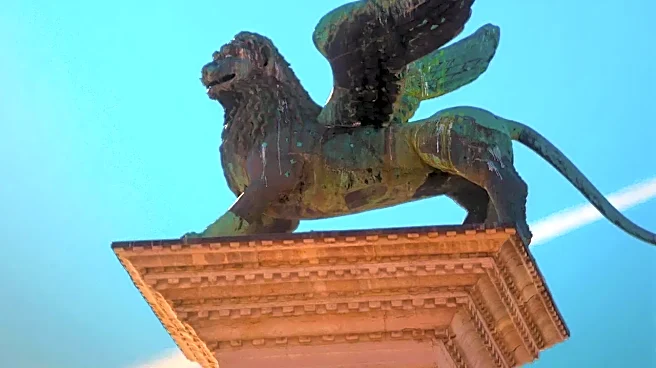
The Venice International Film Festival is synonymous with glamorous premieres and A-list celebrities arriving by boat. But parallel to the public-facing festival is its buzzing business counterpart, the Venice Production Bridge (VPB). This is where the global
film industry gets to work. Far from the flashbulbs, thousands of producers, sales agents, and financiers gather to find, fund, and sell projects. And one of its most crucial components is the Book Adaptation Rights Market (BARM). This organized, three-day event is essentially a matchmaking service, connecting the literary world with the cinematic one. While one part of the festival celebrates finished films, this corner is all about the beginning of the creative supply chain.
A High-Stakes Matchmaking Service
Imagine a highly curated speed-dating event for intellectual property. That's the Book Adaptation Rights Market. Each year, a select group of around 30 international publishing houses and literary agents are invited to participate. They set up shop in a dedicated area, ready to meet with film producers who have paid for special industry accreditation. These producers book 30-minute one-to-one meetings to hear about promising titles. Unlike some other markets that focus on a single hot book, publishers at Venice are encouraged to pitch their entire catalog, from new releases to hidden gems in their backlist. This includes everything from novels and graphic novels to biographies and children's literature, creating a rich hunting ground for producers looking for the next big thing.
Why Books Are Hollywood's Gold Rush
In today's risk-averse entertainment landscape, pre-existing intellectual property—or IP—is king. Adapting a book offers a massive advantage over starting with a completely original idea. A successful book comes with a proven concept and, most importantly, a built-in audience. That established fanbase significantly de-risks the colossal investment required to produce and market a film or television series. Studios see a popular novel not just as a story, but as a brand with a pre-vetted market. It's a formula that has launched some of the biggest franchises in history. In an industry constantly searching for the next multi-billion-dollar universe, finding a book with a rich world and sequel potential is like striking gold.
The Art of the Option Deal
When a producer finds a book they love at the market, they don't typically buy the rights outright. Instead, they'll pursue an "option." An option is like a rental agreement for intellectual property. The producer pays the author or publisher a fee for the exclusive right to try and develop the book into a film for a set period, usually 12 to 18 months. During this time, the producer works to attach a screenwriter, director, and maybe even star talent to make the project more attractive to studios and financiers. If they can get the film greenlit and into production, they then exercise their option and purchase the full rights. If the project stalls, the option expires, and the rights revert back to the author. It's a low-risk first step in a long and complicated journey from page to screen.
From Venice to the Big Screen
The conversations and handshakes that happen at the Venice Book Adaptation Rights Market are the seeds from which future films and series grow. A deal struck here can lead to years of development, financing hurdles, and the complex machinery of production. But its success is a testament to the growing symbiosis between the publishing and audiovisual industries. By creating a formal bridge between the two, the festival has established itself not just as a showcase for cinematic art, but as a fundamental engine of its creation. It’s a reminder that before a story can light up the screen, it often begins as words on a page, waiting for the right person to see its potential in a quiet meeting room in Venice.