






An Atmosphere You Can't Ignore
For decades, soccer in America has fought an uphill battle for attention against the NFL and NBA. Yet, as the 2026 World Cup unfolds across the continent, something feels different. It’s not just the games themselves, but the sheer scale of the audience.
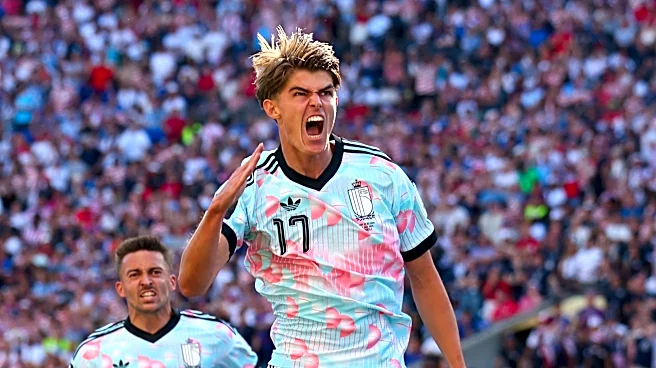
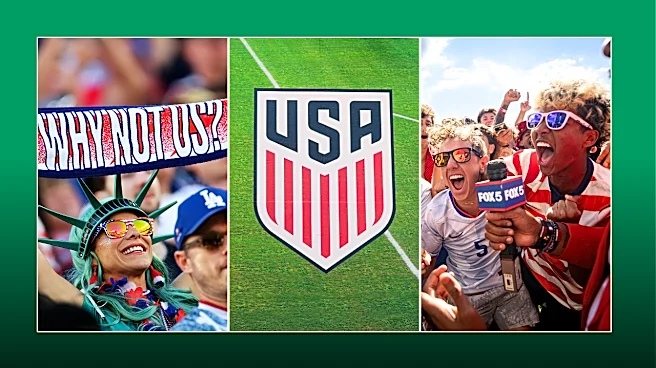
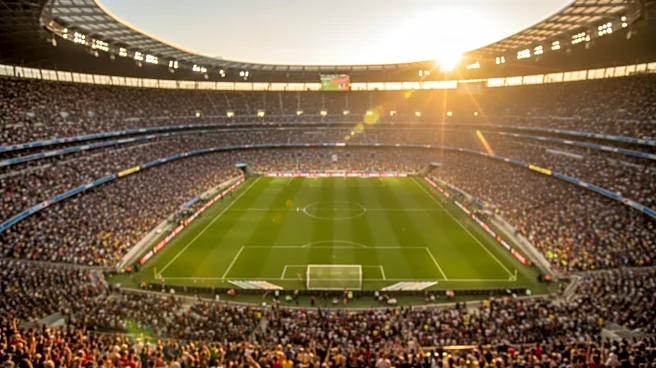
FIFA recently announced that the U.S. has already set a new record for the highest attendance of any host nation in World Cup history, surpassing eight million attendees. These aren't just numbers; they are a powerful form of social proof. When casual viewers tune in and see 80,000 screaming fans packed into a stadium for a match that doesn't even involve the home team, it sends a clear message: this matters. This spectacle creates a level of intrigue that tactics and formations never could for a newcomer.
The Psychology of the Bandwagon
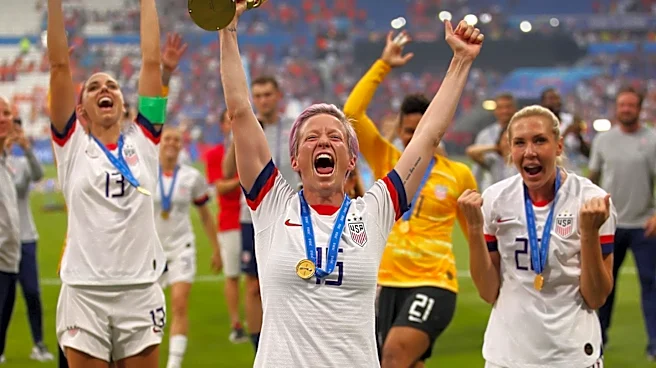
Humans are social creatures, wired to find belonging. Sports fandom taps directly into this instinct, offering a built-in community. The massive, vibrant crowds at World Cup matches are a visual invitation to join that community. It triggers a powerful sense of FOMO—Fear Of Missing Out. For someone who has never felt a strong connection to soccer, seeing tens of thousands of people share a moment of collective joy or despair is a compelling sales pitch. It suggests that they are missing out on a significant emotional experience. Studies on sports psychology show that this shared experience and social connection are often bigger drivers of well-being for fans than the game itself. The crowd becomes the product, and it's an incredibly appealing one.
From Event-Goer to Lifelong Fan
The path to becoming a true fan often starts with a single, memorable event. The 1994 World Cup, the last time the tournament was held in the U.S., is credited with planting the seeds for Major League Soccer's launch two years later. Now, with soccer culture already much more established, the 2026 tournament is acting as a supercharger. Record-breaking viewership for USMNT games, with some matches drawing audiences rivaling the NBA Finals, proves the appetite is there. The key is converting this temporary, event-driven interest into sustained fandom. Local clubs report that youth sign-ups have jumped during the tournament. The hope is that the electrifying atmosphere that casual fans are witnessing on TV will encourage them to seek out that experience closer to home, whether at an MLS match or a National Women's Soccer League game, bridging the gap between a month-long party and a year-round passion.
A Tipping Point on Home Soil
Unlike past tournaments held in distant time zones, the 2026 World Cup is happening in America's backyard and on its primetime television schedule. This accessibility removes a significant barrier for the casual fan. You don't need to be a die-hard to get swept up in the excitement when it's happening at your local bar or a downtown fan festival. The growth is already evident: before the tournament even started, YouGov data showed that the share of Americans actively following soccer had been climbing, driven primarily by younger audiences. The presence of the world’s biggest sporting event on home soil is not just a showcase for the sport, but a mirror reflecting America's changing tastes back at itself. The massive crowds are proof that soccer is no longer a niche interest; it's a mainstream cultural force.