






The Unwritten Contract
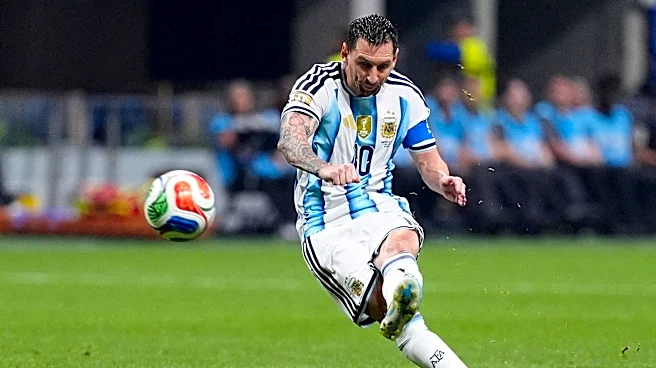
A penalty kick is supposed to be a goal. It’s an unwritten contract between the game and the fans. In regular play, roughly 75-85% of penalties are successful. It is the closest thing soccer has to a foregone conclusion. The kicker is expected to score;
the goalkeeper is, statistically, a background character in this scene, destined for failure. As fans, we lean into this expectation. The whistle for the foul is a release of tension, a promise of justice or reward. The walk to the spot, the placement of the ball—it's all foreplay for the cathartic roar of the crowd. A saved penalty shatters this contract. It’s a narrative violation, a story that was promised a happy ending suddenly taking a cruel, sharp turn.
The Goalkeeper's Gambit
From a psychological perspective, the goalkeeper is playing with house money. Little is expected of them, which creates a unique form of freedom. The pressure is almost entirely on the kicker, who knows a miss will bring personal and public shame. This asymmetry is where the “theft” happens. The save is a moment of pure agency against overwhelming odds. The goalkeeper isn't just stopping a ball traveling at up to 80 mph; they are rewriting the script in real-time. They are a thief of momentum, stealing the narrative from the attacking team and gifting it to their own. A save is an act of defiance against probability, and when it happens, it feels like the natural order has been subverted by a single, defiant act.
The Anatomy of Failure
For the player taking the kick, the walk to the penalty spot can feel miles long. Research shows the immense psychological weight they carry. Players who must score to keep their team in a shootout convert less than 60% of the time, whereas players taking a kick to win the match succeed over 90% of the time. The fear of loss is a far more powerful motivator—and inhibitor—than the hope of winning. A saved penalty isn't just a miss; it's a public failure in an intensely individual moment within a team sport. The save transfers the entire narrative burden onto the kicker, transforming them from a potential hero into the person who let everyone down. This is the personal cost of the goalkeeper’s glory, a zero-sum game of emotional transfer.
The Fan's Whiplash
Ultimately, the feeling of theft is a fan phenomenon. We invest our hopes in the narrative of the game. A penalty offers a moment of clarity, a point of near-certainty in a sport defined by its low-scoring unpredictability. We brace for the release of celebration. When the save happens, the brain experiences a violent emotional whiplash, rocketing from anticipated elation to sudden, gut-wrenching despair. Studies have even shown that the stress of watching a penalty shootout can have real-world health impacts, with cardiovascular hospitalizations increasing during major tournament deciders. It feels like theft because the emotional payoff we were promised—the one we were already beginning to feel—was snatched away at the very last second. It's a unique form of sporting heartbreak, and it’s one of the most powerful.