
It Follows (2014)
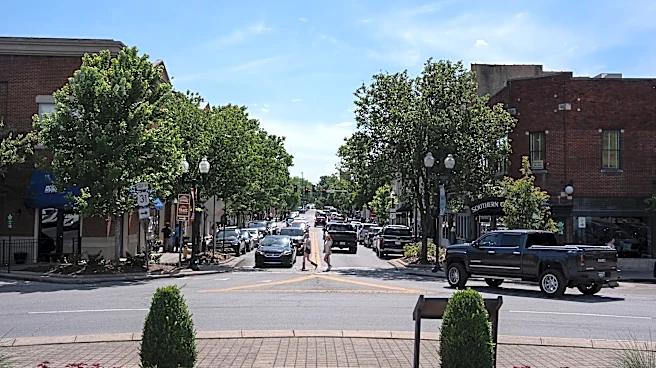
The premise is deceptively simple: after a sexual encounter, a young woman finds herself relentlessly pursued by a supernatural entity. This creature is slow but ceaseless, and it can look like anyone—a
stranger in the distance or a familiar face. The film never explains what the entity is, where it came from, or what its ultimate goal is beyond its deadly pursuit. Is it a metaphor for STDs, a manifestation of guilt, or just a random, cosmic curse? The film offers no easy answers. By keeping its monster a complete cipher, the movie creates a unique and unshakable sense of dread. The horror comes not from a defined beast but from the paranoia of knowing that something is always, inevitably, walking toward you.
The Blair Witch Project (1999)
This film didn't just popularize the found-footage genre; it perfected the art of the unseen monster. Three student filmmakers venture into the Maryland woods to investigate a local legend and are never seen again. We, the audience, only see what their cameras captured: escalating panic, strange symbols left outside their tent, and terrifying sounds in the dead of night. Is there really a witch? Is it a human tormentor? Or is it all a product of their fracturing minds? The film’s power lies in its absolute refusal to show the source of the terror. It forces us to stare into the darkness with the characters, letting our own minds conjure a threat far more potent than any special effect could deliver.
Bird Box (2018)
In this post-apocalyptic thriller, the world is beset by mysterious entities that cause anyone who lays eyes on them to be driven to immediate, violent suicide. The only way to survive is to navigate the world blindfolded. Like the characters, the audience is never allowed to see the creatures. This narrative choice is central to the film's tension. We hear the whispers and witness the horrifying results of a glance, but the monster remains an abstract concept. This forces the audience to share the characters' sensory deprivation and terror, making their perilous journey feel visceral and immediate. The fear isn't of a monster, but of the very act of seeing.
A Quiet Place (2018)
While we do see the creatures in this film, almost nothing about their origin or purpose is explained in the original movie. We know they are fast, armored, and hunt with hypersensitive hearing. But where did they come from? The first film suggests a meteor brought them to Earth, but it’s presented as a speculative headline, not a hard fact. Why are they here? They don't appear to eat their victims, making their relentless killing spree feel all the more unnerving and nihilistic. They function less like an invading species with a goal and more like a natural disaster—an 'evolutionarily perfect' killing machine dropped into an ecosystem not prepared for it. This lack of motive makes them an elemental, unstoppable force of nature.
The Mothman Prophecies (2002)
Based on the book by John Keel, this film dives headfirst into ambiguity. After his wife's tragic death, a journalist finds himself drawn to a small West Virginia town plagued by strange sightings of a winged creature known as the Mothman and a series of eerie, seemingly prophetic phenomena. The film never defines what the Mothman is. Is it an alien, a supernatural being, an interdimensional entity, or simply a harbinger of disaster? It communicates in cryptic, chilling ways, but its intentions remain completely opaque. The horror stems from this profound uncertainty and the feeling of being in contact with something vast, intelligent, and utterly incomprehensible, an entity that operates on rules humanity cannot begin to grasp.