






The Anatomy of a Sports Villain
What does it mean to have 'villain energy' in sports? It's more than just being disliked. It's about an athlete who not only accepts the role of the antagonist but seems to draw power from it. They understand that in the theater of professional sports,
their performance is amplified by the animosity of opposing fans. These players don’t just endure the hate; they metabolize it. The boos become a soundtrack, the jeers a sign of respect they’ve twisted into a competitive advantage. This energy turns a simple game into a high-stakes drama, where the villain's actions—whether a clutch shot or a controversial foul—make the defining moments resonate on a deeper, more emotional level for everyone watching.
Reggie Miller: The Broadway Antagonist
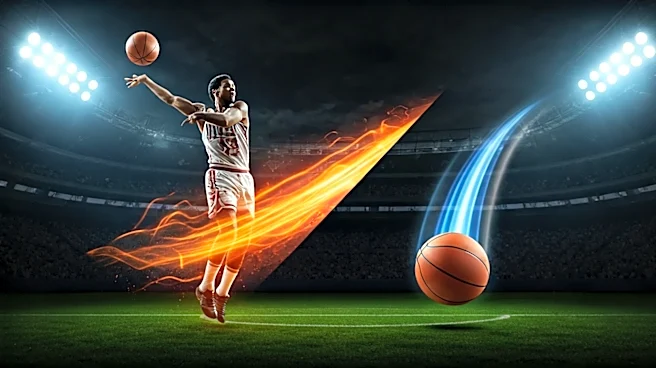
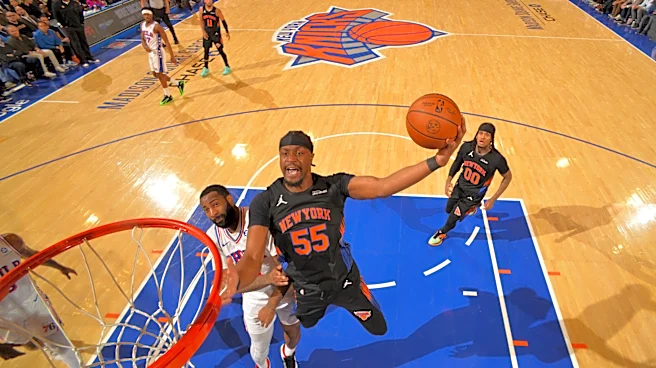
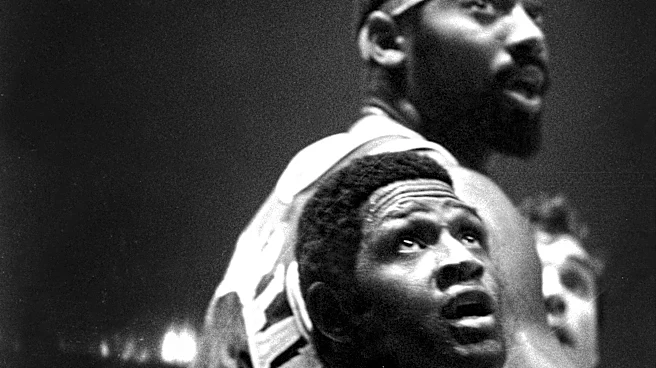
For a generation of basketball fans, particularly those in New York City, Reggie Miller was the ultimate villain. The Indiana Pacers guard wasn't just a phenomenal shooter; he was a master of psychological warfare. His stage was Madison Square Garden, his foil was the entire Knicks franchise and its most famous fan, Spike Lee. Miller’s villainy was theatrical. He'd jaw with Lee from the court, flash the 'choke' sign at the New York bench, and punctuate his biggest shots with a sneer. His most legendary performance came in 1995, when he scored eight points in just under nine seconds to steal a playoff game from the Knicks. It was a sequence of impossible skill and audacious nerve, solidifying his reputation as the 'Knick Killer.' Miller made you hate him, but you had to watch him.
Luis Suárez: The Global Scoundrel
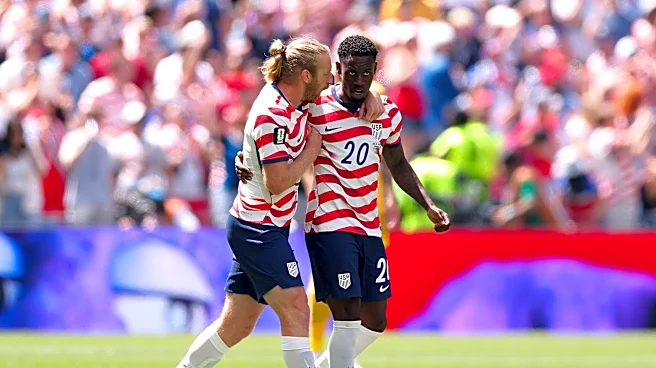
If Miller's villainy was performance art, Luis Suárez's is something more primal and far more controversial. The Uruguayan striker has built a career defined by breathtaking talent and jaw-dropping transgressions. His list of offenses is notorious: three separate incidents of biting opponents on the field and, most famously, a deliberate handball on the goal line in the final second of a 2010 World Cup quarter-final against Ghana. That act denied Ghana a certain goal and a place in history as the first African team in a World Cup semifinal. Suárez was sent off, but he celebrated on the sideline as Ghana missed the subsequent penalty and Uruguay eventually won. For Suárez, the win justifies the means, no matter how much it stains his reputation. He's not playing a role; he simply wants to win, and he's willing to cross lines others won't.
A Tale of Two Villains
Comparing the two reveals fascinating differences in the nature of sports villainy. Miller's antagonism was largely confined to the game's psychological theater. His weapons were words, gestures, and incredibly timely three-pointers that silenced arenas. He bent the rules of decorum but rarely the rules of the game itself. Fans hated him because he beat them and let them know about it. Suárez’s brand of villainy is more visceral and rule-breaking. His actions have often been outright illegal within the context of the sport, leading to lengthy bans and global condemnation. The hatred for Suárez isn't just about his success; it’s about a belief that he succeeds by cheating. Miller was a pantomime villain you loved to hate; Suárez is seen by many as a genuine rogue who undermines the spirit of the game.
Why We Secretly Need Them
As much as we boo them, sports need figures like Miller and Suárez. They are the narrative engine. A hero is only as compelling as the challenge they overcome, and these villains provide the ultimate challenge. They raise the emotional stakes of a contest from a simple game of winning and losing to a battle of good versus evil. They forge rivalries, create memories, and give fans a focal point for their passion. The pure joy of seeing a hero vanquish a villain like Miller or Suárez is a peak sporting experience. Their presence makes the story richer and the victories sweeter for those who stand against them. They make the big moments louder, ensuring we never forget them, for better or for worse.