






The Allure of the Tangible
There’s an undeniable magic to something real. Practical effects—from the intricate prosthetics on "Stranger Things" to the detailed creature suits and animatronics used in countless sci-fi and horror shows—provide a physical presence on set. Actors have
something real to react to, lighting designers have a physical object to illuminate, and the result often feels more grounded and visceral for the audience. It's a craft of texture, weight, and real-world physics. Shows nominated for Outstanding Prosthetic Makeup, like "Fallout" or "Stranger Things," demonstrate that creating monsters and transforming actors through hours of painstaking artistry remains a highly celebrated skill. This hands-on approach brings a unique kind of believability that digital creations often strive to imitate.
The Limitless World of CGI
On the other side of the aisle is Computer-Generated Imagery, the tool that has made the impossible a weekly television event. CGI is how shows like "Foundation" and "Monarch: Legacy of Monsters" can build entire planets and unleash colossal creatures without needing an astronomical construction budget and a miles-long backlot. The nominees for Outstanding Special Visual Effects showcase the incredible scale and ambition of modern TV, from the epic vistas in "A Knight of the Seven Kingdoms" to the stylized comic-book world of "Spider-Noir". While bad CGI can be distracting, the best of it is invisible, seamlessly augmenting sets, erasing rigging, or creating photorealistic beings that audiences accept without a second thought. It offers a level of flexibility and scale in post-production that practical effects simply cannot match.
Not a Battle, But a Partnership
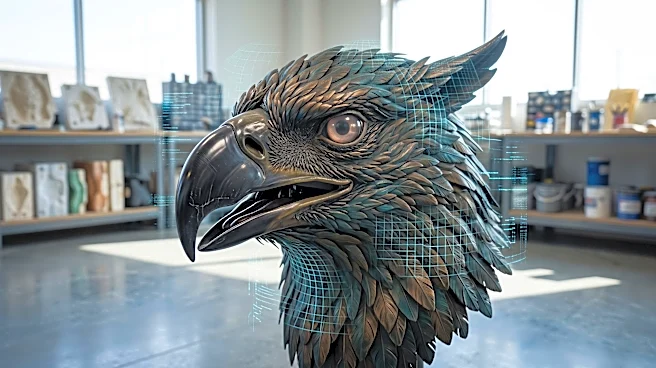
Framing the discussion as "Practical vs. CGI" feels increasingly outdated. The real story, as told by the latest crop of Emmy-nominated shows, is about synergy. The most successful and lauded productions masterfully blend both disciplines. A practical creature might be filmed on set, with CGI used later to add blinking eyes, subtle muscle twitches, or to seamlessly erase the puppeteers from the shot. An actor in a complex prosthetic suit might perform against a green screen, which is then replaced with a breathtaking digital environment. Shows like "Gen V" and "Alien: Earth" are prime examples, utilizing every tool in the box to achieve their vision. The teams behind nominated title sequences for shows like "Spider-Noir" and "Smoke" even combine live-action elements with 2D and 3D animation to create their unique aesthetics. This hybrid approach leverages the tactile reality of practical work and enhances it with the limitless potential of digital tools.
What the Emmys Reward
Looking at the 2026 Creative Arts Emmy nominations, it's clear the Television Academy isn't picking a side. Instead, it's rewarding excellence, period. With separate, prestigious categories for Prosthetic Makeup and Special Visual Effects, the Emmys recognize that both are distinct, vital art forms. A show like "Stranger Things" can be nominated for both its mind-bending VFX and its stunning practical creature makeup. The nominations for series like "It: Welcome to Derry" and "Prehistoric Planet: Ice Age" further prove that today's high-end television relies on a sophisticated fusion of techniques. The true winners are the craftspeople who know precisely when to build something by hand and when to turn to a render farm, ensuring the story's needs are always met in the most effective and immersive way possible.