



The Tournament Eve Community Feast
Forget a quick pre-game beer. Imagine shutting down a street in Kansas City, Philadelphia, or Monterrey for a massive, tournament-opening potluck. Drawing inspiration from the simple power of a tailgate, this ritual would be uniquely North American. Local
restaurants, food trucks, and residents could bring dishes that represent their community’s diverse culture, creating a sprawling feast under strings of lights. It’s less about the game to come and more about reaffirming community bonds, sharing food, and welcoming international fans into the local fabric before the first kick. It’s a way to say, “This is who we are, and we’re glad you’re here.” The tradition isn’t just about food; it’s about establishing the tone for the tournament—one of shared celebration and local pride.
Legacy Murals for Every Goal
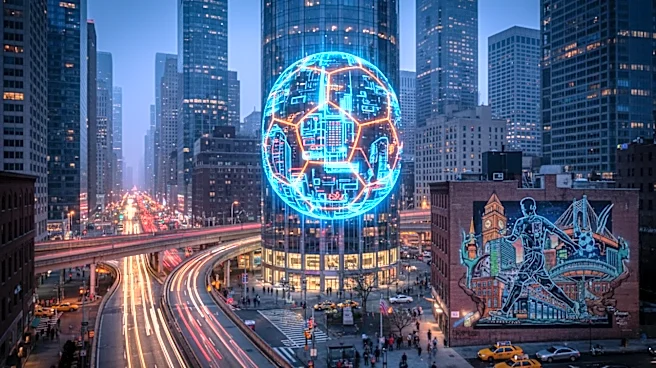
In Europe and South America, club history is painted onto the city itself. We can adopt and adapt this idea for international tournaments. Host cities could designate prominent walls as “Cup Canvases.” For every goal scored by the home nation—be it the U.S., Canada, or Mexico—in that city's stadium, a local artist adds a new element to a growing mural. The artwork would become a living document of the tournament’s story, evolving with each match. After the competition, these murals serve as permanent, colorful monuments to the moments that unfolded there. It’s a visual legacy that connects the global event directly to the neighborhood, giving residents and visitors a landmark to revisit for years to come.
The City-Wide Supporters’ March
We've seen incredible supporters' marches in places like Seattle and Portland for club matches. Now, let’s scale it up. On the day of a big game, thousands of fans—not just the organized supporter groups, but families, kids, and casuals—could meet in a central plaza. Led by drummers and capos, they would march together through the city to the stadium or the official fan fest. This isn't an aggressive display, but a joyous river of color and sound. Think of the Oranje Fanwalks of the Dutch, but infused with the specific character of each North American city. A sea of red, white, and blue flowing through Dallas, or a wave of maple leaf red cascading through Toronto, becomes a powerful statement of unity and anticipation.
The 'Parade of the Future' Youth Procession
To ensure traditions have a future, you have to include the next generation. Before a pivotal knockout match, host cities could organize a “Parade of the Future.” Thousands of kids from local youth soccer leagues, dressed in their team kits, would parade onto the field. They wouldn’t just be flag bearers; they’d be the main event. For ten minutes, they’d fill the pitch, waving to the crowd and taking in the stadium atmosphere. This ritual would symbolically pass the torch, connecting the grassroots game to its highest level. For the kids, it’s an unforgettable moment of inspiration. For the fans, it’s a heartwarming and powerful reminder of why the game matters: it’s about community and continuity.
The Post-Tournament Jersey Swap Day
The jersey swap is a classic sign of respect between players on the field. Why not extend it to the fans? On the day after the final, cities could designate a public square as a “Jersey Swap Zone.” Fans from all nations could gather to trade jerseys, scarves, and stories. A fan from Mexico might trade a Hirving Lozano jersey for a Christian Pulisic one from an American fan he shared a beer with the night before. This tradition moves beyond national rivalry and fosters a sense of shared experience. It’s a final, peaceful gathering that celebrates the connections made and acknowledges that while the tournament ends, the global community of fans remains.
The 'Adopt-a-Team' Local Bar Culture
North America is a continent of immigrants, a strength we can lean into. For each tournament, local neighborhood bars could “adopt” one of the visiting nations playing in their city. A pub in Vancouver’s Little Italy might become the official hub for Italian fans, while a bar in a Brazilian neighborhood in Miami does the same for theirs. These bars would decorate in the team’s colors, learn their chants, and offer food and drink specials. This creates authentic, decentralized hubs of passion across the city, giving fans of smaller nations a guaranteed home base and introducing locals to new cultures. It spreads the economic and cultural benefits beyond official fan zones and builds relationships that could last long after the final whistle.