







From Status Symbol to Scandal
The white shirt’s story begins not as outerwear, but as an undergarment for European men. For centuries, a pristine white shirt peeking out from a collar or cuff was a subtle telegraph of wealth. Only the affluent could afford to have their linens washed
frequently enough to maintain a pure white, instantly separating 'white-collar' gentlemen from the laboring classes. But it was a French queen who gave the shirt its first taste of scandal. In 1783, Marie Antoinette posed for a portrait in a simple, ruffled white cotton dress, a style then considered akin to underwear. The public was shocked, but the move inadvertently democratized the fabric, sparking a demand for cotton and setting the stage for the shirt's eventual escape from inner layers to the forefront of fashion.
The Uniform of Rebellion
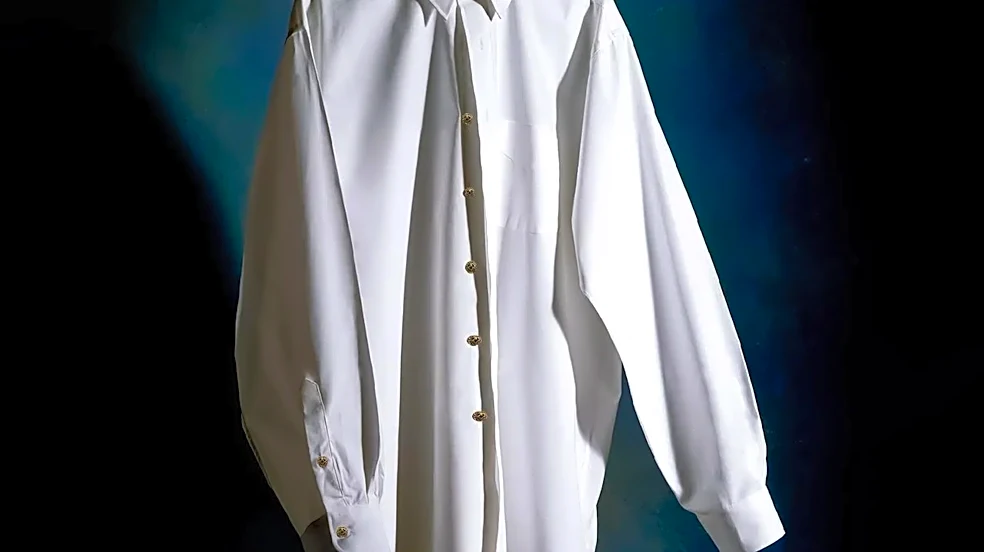
By the mid-20th century, the white shirt (and its casual cousin, the white T-shirt) had shed its aristocratic baggage and was adopted by a new kind of icon: the rebel. When Marlon Brando appeared in a snug white tee in 'A Streetcar Named Desire' (1951), he transformed the undergarment into a symbol of raw, rugged masculinity. James Dean cemented this association in 'Rebel Without a Cause' (1955), making the white T-shirt the uniform of misunderstood youth. Soon after, female trailblazers claimed it for their own. Musicians like Patti Smith paired a simple men's white shirt with a black tie, subverting traditional gender roles and creating a powerful an-drogynous statement that was both artistic and defiant. The shirt was no longer just for the rich; it was for the cool.
Cemented by Hollywood Glamour
While rebels gave it edge, Hollywood gave the white shirt enduring glamour. Audrey Hepburn’s turn in 'Roman Holiday' (1953) created an unforgettable image of effortless chic: a white shirt with the sleeves rolled up, paired with a full skirt. It was accessible, elegant, and utterly modern. Decades later, Uma Thurman in 'Pulp Fiction' gave it a sharp, dangerous allure, while Julia Roberts in 'Pretty Woman' used a man's white shirt tied at the waist to signal a carefree, transformative freedom. Perhaps the ultimate high-low moment came in 1998, when Sharon Stone walked the Oscars red carpet in a lavender Vera Wang skirt paired with a simple white button-down from Gap. It was a watershed moment, proving the humble white shirt could stand its ground in the most glamorous setting imaginable.
The Ultimate Blank Canvas
So why has it lasted? Its versatility is its superpower. It is the ultimate blank slate, a piece that doesn't wear the person, but allows the person's style to shine through. Designer Carolina Herrera, who made the white shirt her personal signature, once called it her 'security blanket' because it goes with everything. For some, its crisp collar is a symbol of power and competence in the workplace. For others, it’s a canvas for self-expression, a neutral base for bold jewelry or a casual partner to worn-in jeans. It can be tailored and formal, or oversized and bohemian. It crosses every line of gender, class, and occasion, from a boardroom meeting to a weekend brunch.