



Edward Said: Between Worlds
How do you capture the life of a towering intellectual whose work fundamentally changed how the West views the East? Director Maiken Baird tackles this challenge with a portrait of the late Palestinian-American writer Edward Said. The film sidesteps the trap
of becoming a dry academic lecture by weaving together rare archival interviews and public talks with Said himself, allowing his formidable intellect and passionate voice to drive the narrative. By focusing on his personal journey, marked by displacement and conflict, the documentary transforms his complex theories on post-colonialism into a deeply human story of identity and belonging. It’s a film that doesn’t just tell you about Said’s ideas; it makes you feel the urgency behind them.
Cheyenne
On its surface, a documentary about rodeo life might seem niche. But Taimi Arvidson’s “Cheyenne” uses the thrilling backdrop of wild bronco riding to explore a much deeper story: the fight for inclusion in one of America's most traditional spaces. For nearly a century, women were excluded from this dangerous sport. Arvidson follows four cowgirls—Ally, Bee, Brooke, and Lake—as they navigate the circuit, each with their own reasons for risking it all. The film excels by balancing heart-pounding rodeo action with quiet, intimate moments of friendship and vulnerability. It turns a sports documentary into a powerful narrative about defying expectations and carving out a space where you’ve been told you don’t belong.
Re/Pair
In an era of intense polarization, a film that wades directly into the fraught relationship between Black and Jewish communities in America is a bold undertaking. Director Lacey Schwartz Delgado’s “Re/Pair” is built around a series of raw, intentional conversations between prominent figures from both communities. The subject matter is a minefield of historical tensions and contemporary debates, but the film’s power lies in its commitment to dialogue as a tool for healing. By structuring the film around these candid discussions, Schwartz Delgado turns a complex socio-political issue into an intimate and compelling human drama about the hard work of rebuilding community bonds.
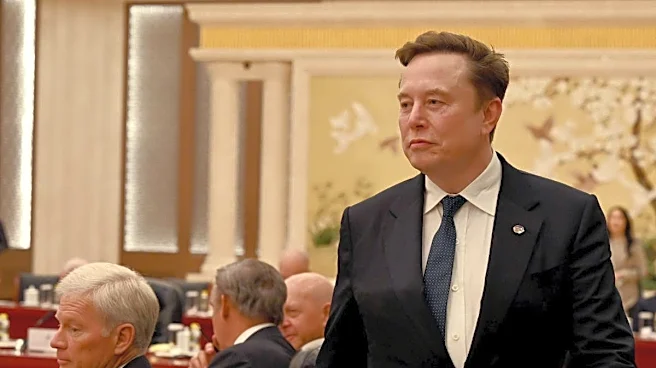
Musk
Alex Gibney, the prolific documentarian known for taking on titans of industry and power, turns his lens on one of the most talked-about and controversial figures of our time: Elon Musk. In a sprawling, nearly four-hour epic, Gibney attempts to deconstruct the myth of the man who helms Tesla, SpaceX, and X. The complexity here isn't just in Musk's technological ambitions, but in the chaotic vortex of his public persona, business practices, and cultural impact. Gibney’s signature investigative style makes this more than a simple biography; it’s an inquiry into the nature of power, ambition, and the narratives we build around modern innovators.
The Final Act
Few topics are as emotionally and ethically tangled as medically assisted dying. Quebecois filmmaker Sophie Deraspe confronts this subject head-on in “The Final Act,” a documentary that explores Canada's first years with its new legislation. Instead of getting lost in policy debates, the film provides an intimate and deeply personal look at the human side of the controversial practice. By focusing on the individuals and families navigating these end-of-life decisions, Deraspe transforms a difficult, abstract issue into a profoundly moving and thought-provoking cinematic experience that challenges viewers to confront their own beliefs about life, death, and dignity.