








The Foundation: A World Cup and a Ghost Goal
For Americans, think Yankees-Red Sox or Lakers-Celtics, but played on a national scale with the weight of history behind it. The rivalry's genesis is the 1966 World Cup Final at London's Wembley Stadium. It was England's first and only time winning the tournament,
a 4-2 victory over West Germany in extra time. The match is forever defined by a single moment: a shot from England's Geoff Hurst that hit the crossbar, bounced down, and was ruled a goal. Germans have spent decades insisting it never crossed the line; the English have spent decades celebrating it. It was the first competitive match between the two nations, and it set a template of high stakes, high drama, and controversy that would echo for generations.
The German Dynasty of Pain
If 1966 was England's peak, what followed was a long, painful descent, often at the hands of the Germans. West Germany got its revenge in the 1970 World Cup, coming from 2-0 down to win 3-2 in the quarterfinals. But the real psychological scarring came via penalty shootouts. In the 1990 World Cup semi-final, West Germany knocked England out on penalties, a match famous for the tears of English star Paul "Gazza" Gascoigne. Six years later, in the semi-final of the European Championship—held in England, no less—history repeated itself. A unified Germany won on penalties again, with future England manager Gareth Southgate missing the decisive kick. For a generation of fans, Germany became a byword for ruthless efficiency and the inevitable heartbreak that awaited England in big tournaments. As one English player famously said, "Football is a simple game; 22 men chase a ball for 90 minutes and, at the end, the Germans win."
Modern Injustice and a Moment of Redemption
The 21st century brought new chapters. At the 2010 World Cup in South Africa, Germany demolished England 4-1 in the Round of 16. The match featured another moment of searing injustice for England when a clear goal from Frank Lampard, which would have tied the game 2-2, was not given. The error was so blatant it helped push FIFA to finally adopt goal-line technology. England did get a rare taste of knockout-stage revenge at the Euro 2020 tournament (played in 2021), beating Germany 2-0 at Wembley. It was their first tournament knockout victory against the Germans since that famed 1966 final, a cathartic moment that felt like an exorcism.
The Great Reversal of 2026
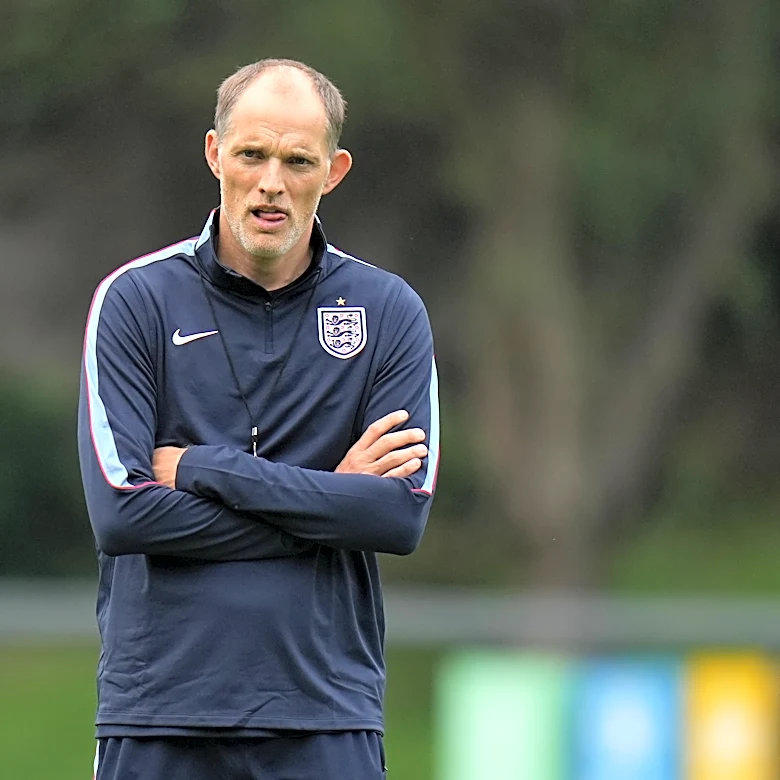
Which brings us to the summer of 2026, and a script flip nobody saw coming. The World Cup, hosted across North America, has seen the rivalry's narrative turned on its head. Germany, the four-time world champions, are out, humbled by a shock loss to Paraguay in the first knockout round, an exit that has plunged the nation into a soul-searching crisis and led to the immediate resignation of their coach. And England? They are not only still in the tournament, preparing for a Round of 16 clash with Mexico, but they are doing so under the leadership of a German head coach, Thomas Tuchel, who was hired in 2024 with the express mission of ending England's now 60-year trophy drought. The irony is thick enough to taste: the nation once defined by its losses to German efficiency is now pinning its hopes on it, while the German machine itself has unexpectedly broken down.