






The Impeccable Facade
Call it the new comfort television. Shows like “Only Murders in the Building,” “The White Lotus,” and films like the “Knives Out” series have mastered a particular alchemy. They present worlds we want to live in, at least visually. The production design
is a character in itself. In “Only Murders,” the Arconia isn't just an apartment building; it’s a castle of pre-war fantasy, where every unit tells a story through curated art and mid-century furniture. Similarly, the lavish resorts in “The White Lotus” offer a fantasy of opulent escape, with stunning vistas and five-star service. This is the “cozy” part of the equation: a visual language of warmth, wealth, and impeccable taste. The lighting is soft, the clothes are aspirational, and the settings feel like a protective barrier against the ugliness of the outside world. It’s a carefully constructed cocoon of comfort that draws the viewer in, promising a safe and pleasant stay.
The Rot Under the Floorboards
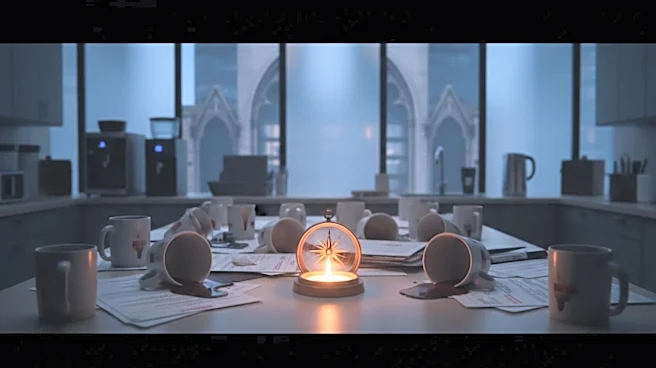
But the stay is never pleasant for long. Beneath the polished surfaces, something sinister is always at play. A suspicious death, a web of lies, a dark secret that threatens to unravel the entire beautiful tapestry. The suspense isn't just about a whodunit plot; it’s about the psychological cracks in the facade. In these stories, the suspense is amplified by its contrast with the setting. An ominous sound is more jarring when it echoes through a perfectly decorated, sun-drenched room than in a dark alley. The true horror isn’t a monster, but the slow realization that the very people enjoying this idyllic lifestyle are corrupt, compromised, or capable of terrible things. The tension comes from the disconnect between how things look and how they are. The beautiful people in their beautiful houses are trapped, not by a physical threat, but by their own ambitions, resentments, and moral failings. The suspense is quiet, creeping, and deeply personal.
The Psychology of Comfortable Danger
So why is this combination so compelling? It taps into the core appeal of the classic “cozy mystery” genre, updated for a prestige TV audience. Cozy mysteries have always offered a safe way to engage with crime. They promise manageable stakes, a puzzle to be solved, and the ultimate restoration of order, all without the trauma of graphic violence or moral ambiguity. These shows provide a similar function. They give us the thrill of the mystery and the satisfaction of solving a puzzle from a safe, psychological distance. The “cozy aesthetic” acts as a buffer. We get to peek into the darkness without feeling truly threatened. It’s a controlled dose of chaos. In a world that feels increasingly overwhelming and unpredictable, these stories offer what psychologists call “optimal engagement”—a problem complex enough to be interesting but not so overwhelming that it causes anxiety. We are invited to be amateur sleuths in a world where, even amidst murder and betrayal, the surroundings are unfailingly lovely.
When Setting Becomes the Stakes
Ultimately, the aesthetic isn’t just window dressing; it’s the entire point. The luxurious setting represents the life the characters have built and the order they are desperate to maintain. When a crime occurs, it’s a violation of this sanctuary. The investigation isn't just about finding a killer; it’s about restoring the building, the resort, or the family to its former state of pristine, if illusory, perfection. The suspense works because the cozy world is something worth protecting. The grand apartments and idyllic landscapes are the stakes. This allows the show to explore complex themes—class, privilege, generational divides, the emptiness of materialism—without feeling like a lecture. The setting makes the abstract concrete. The fight is to keep the ugliness out, but the central, thrilling irony is that the ugliness was always already inside.