




The Spark in Kazan
While their history includes a few early World Cup meetings, the modern tension truly ignited at the 2018 World Cup in Russia. In a Round of 16 match that felt like a final, a young, explosive France met an Argentina squad desperate to deliver a title
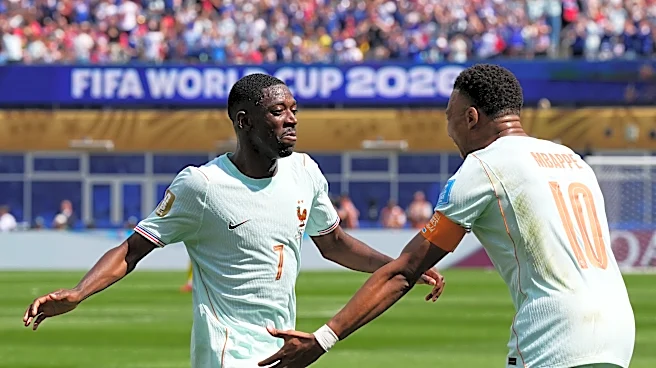
for Lionel Messi. The result was a seven-goal thriller, a 4-3 French victory that announced the arrival of Kylian Mbappé on the world stage. Mbappé, with his blistering pace, scored twice and won a penalty, single-handedly dismantling the Argentine defense and sending Messi's team home. It was a passing of the torch that wasn't quite a passing of the torch—more like a torch being snatched. France went on to win the tournament, while Argentina was left to ponder a painful, generation-defining defeat.
A Tale of Two Superstars
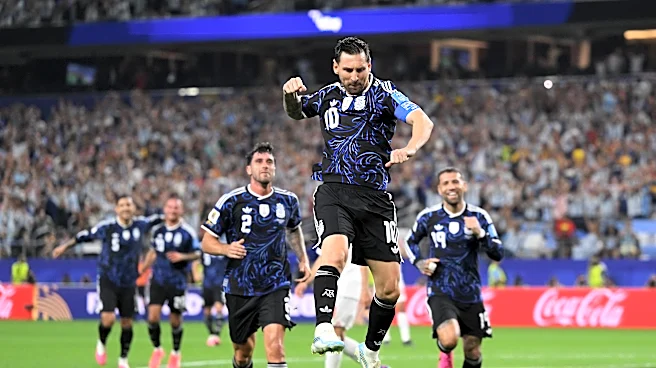
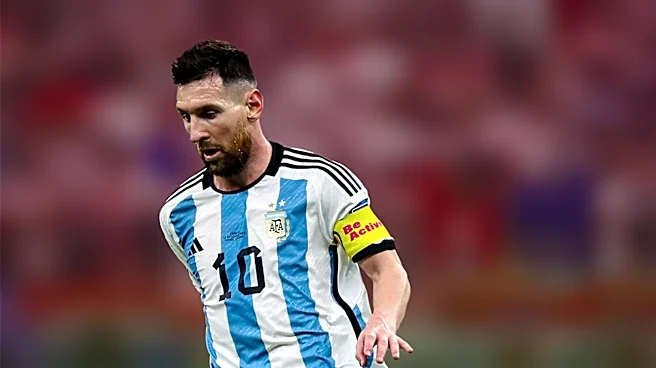
At the heart of this rivalry is the compelling dynamic between Lionel Messi and Kylian Mbappé. They were teammates at Paris Saint-Germain, but on the international stage, they are perfect foils. Messi represents the culmination of a legendary career, the established genius seeking to secure his ultimate legacy. Mbappé is the heir apparent, the embodiment of explosive, modern athleticism who seems destined to break every record. Their duel isn't just about goals; it's a battle for the narrative of world soccer. This individual contest elevates every match from a simple game to a chapter in a larger saga, with each player's success for his country directly impacting the other's claim to being the best.
The Masterpiece in Doha
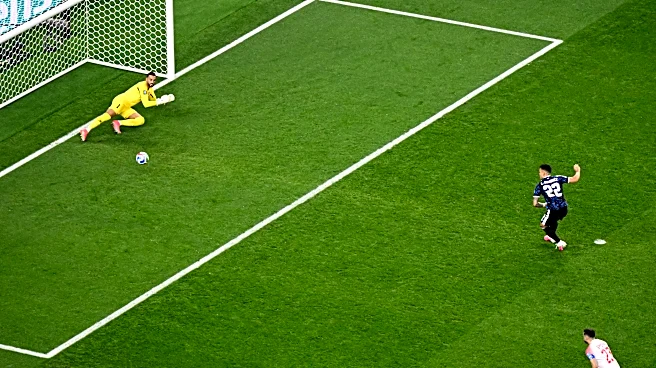
If 2018 was the spark, the 2022 World Cup Final in Qatar was the inferno. It was, by any measure, one of the greatest finals in the history of sports. For 80 minutes, Argentina was dominant, leading 2-0 through goals from Messi and Ángel Di María in what looked to be a coronation. Then, in a stunning 97-second span, Mbappé scored twice to force extra time. The drama only escalated from there. Messi scored again, seemingly winning it for Argentina, only for Mbappé to complete his hat-trick—the first in a men's final since 1966—with another penalty to make it 3-3. Argentina ultimately won the ensuing penalty shootout, with goalkeeper Emiliano Martínez playing the hero, finally giving Messi his coveted World Cup trophy. The match was a spectacle of momentum shifts, iconic moments, and unbearable tension that cemented this rivalry in football lore.
A Clash of Football Cultures
Beyond the players and results, the rivalry is compelling because it represents a clash of distinct footballing identities. Argentina plays with a raw, collective passion, a team seemingly fueled by national emotion and a desperate desire to win for their icon, Messi. Their style is gritty, resilient, and often feels like a force of nature. France, on the other hand, often appears as a sleek, powerful machine. Their squad is a seemingly endless conveyor belt of elite, athletic talent drawn from the best clubs in Europe. They play with a tactical discipline and a cool efficiency that can feel unstoppable. This contrast in styles—the passionate heart of Argentina against the clinical, powerful machine of France—makes every encounter a fascinating study in how games can be won.