





The Streaming Wars' Starry-Eyed Strategy
Remember when there were only a handful of new shows to track each fall? Those days are long gone. Today, dozens of series premiere across broadcast, cable, and a seemingly infinite number of streaming platforms, all screaming for attention. In this fractured
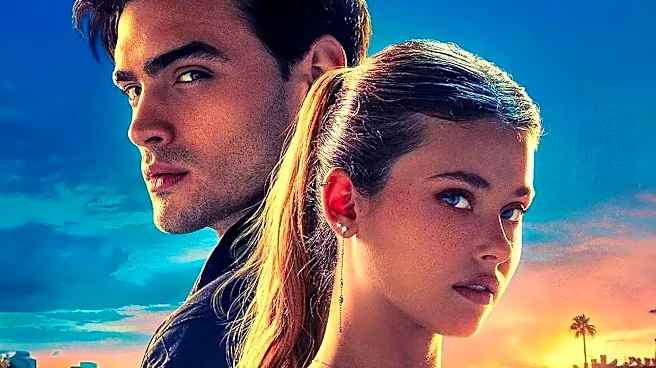
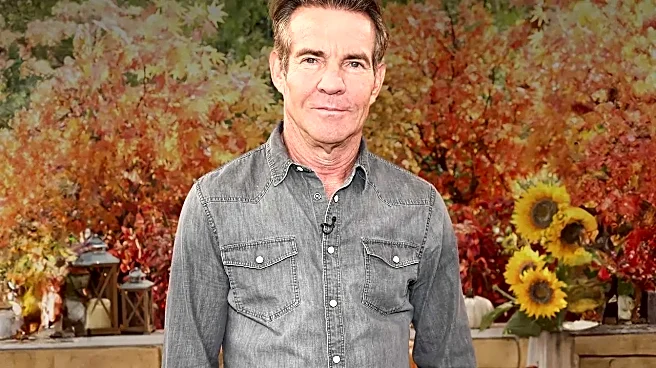
landscape, a recognizable movie star is the ultimate shortcut. Streamers like Netflix, Apple TV+, and Prime Video are locked in an expensive arms race for subscribers, and A-list talent is their heavy artillery. A show starring Florence Pugh, like Netflix’s upcoming “East of Eden,” or a series featuring Mike Colter, such as CBS's “Cupertino,” doesn't just promise quality—it provides an instant marketing hook. That famous face is the first thing you see in the thumbnail, the reason a trailer might get a million more views, and the difference between a show that gets buzz and one that gets buried by the algorithm. It's less a creative choice and more of a business imperative.
The Prestige TV Effect Has Fully Arrived
It wasn't long ago that a movie star headlining a TV show was seen as a sign of a flailing career. But the 'prestige TV' revolution, kicked off by shows on HBO and AMC, completely rewrote the rules. Television is no longer the movies' less-respected sibling; it's where much of the most ambitious, character-driven storytelling now happens. Limited series, in particular, have become a huge draw for actors. They offer a chance to dig into a complex character over eight or ten episodes without the multi-year commitment of a traditional network show. This structure provides a satisfying, film-like arc, attracting talent that would never have signed on for a 22-episode season. The result is a total erosion of the old barrier between film and television, with talent moving seamlessly between the two mediums in pursuit of the best projects.
An Insurance Policy in a Risky Market
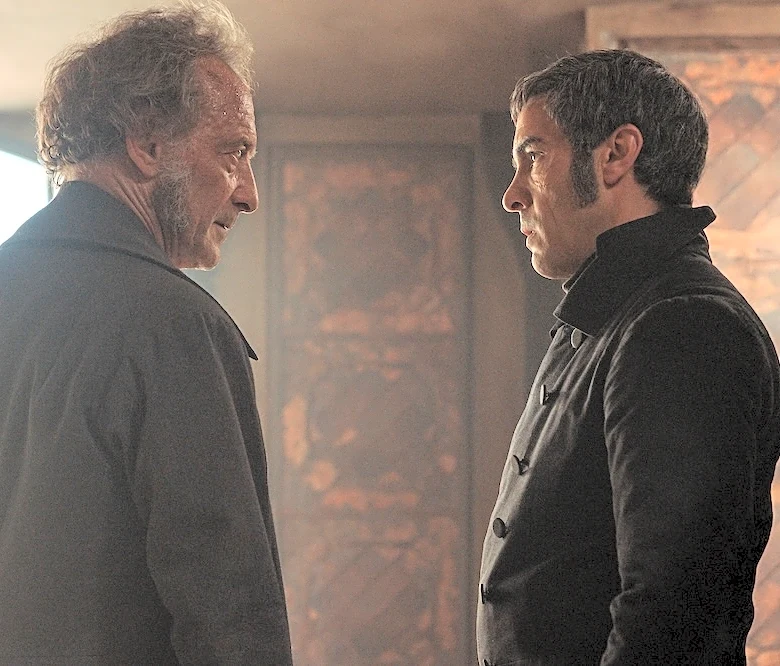
Launching a new show is a massive gamble. Networks and studios are pouring hundreds of millions of dollars into content, and many new series fail to find an audience. In this environment, a big-name celebrity is perceived as an insurance policy. While networks are actually launching fewer new scripted shows this fall, the ones that do get made often have a star attached to de-risk the investment. For example, a new season of a franchise like "Slow Horses" with Gary Oldman is a known quantity for Apple TV+. Similarly, a buzzy new take on a classic like "Carrie" from creator Mike Flanagan generates immediate interest. The thinking is that even if the show itself isn't a runaway hit, the star's built-in fanbase and media appeal can guarantee a certain level of viewership and press coverage, justifying the expense and keeping the platform in the cultural conversation.
But Does Bigger Always Mean Better?
While star power can certainly launch a show, it can't sustain it alone. For every smash hit built around a celebrity, there are plenty of expensive, star-studded projects that have landed with a thud. Audiences are savvy; they can spot a vanity project or a thin script from a mile away. The shows that truly endure are the ones that pair a great performance with even better writing. The fall 2026 season is full of potential, with a mix of returning favorites like "Abbott Elementary" and intriguing new concepts like the DC drama "Lanterns" and the prequel "Blade Runner 2099." The star power gets them in the door, but it will be the quality of the storytelling that determines whether they become the next obsession or just another forgotten title in a crowded streaming library.