






The Original Bombshell Blueprint
The pinup swimsuit as we know it emerged from the cultural crucible of the 1940s and ‘50s. While two-piece swimsuits existed, they were a far cry from today’s string bikinis. The post-war era celebrated a curvier, healthier ideal, a departure from the more
waifish figures of previous decades. Icons like Betty Grable, Rita Hayworth, and aquatic movie star Esther Williams defined a new kind of accessible glamour. Their swimsuits were instrumental in crafting that image. These weren't just garments for swimming; they were carefully constructed outfits designed for posing, sunning, and, above all, celebrating the female form. Made from new, heavier materials like rayon jersey and elasticized cottons, these suits offered structure and support, acting almost like beach-friendly shapewear. They promised a bombshell figure to the everyday woman, creating a powerful fantasy of confidence and allure that resonated deeply in post-war America.
Anatomy of an Icon
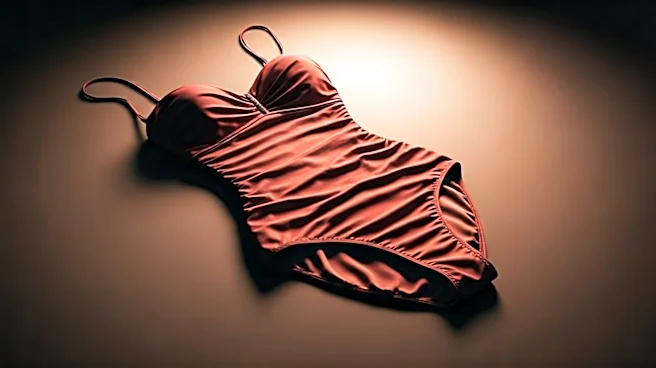
So, what makes a swimsuit a “pinup” swimsuit? It comes down to a few key architectural elements that work in concert. First and foremost is the high-waisted bottom. Reaching the natural waist or even higher, it flattens the tummy, defines the waistline, and elongates the legs. It’s a feat of sartorial engineering that offers coverage while creating an elegant hourglass shape. Next is the structured top, often a halter neck or a balconette style with molded cups and underwire. Unlike minimalist triangles, these tops were designed to lift and support, enhancing the bustline. Finally, there's the secret weapon: ruching. Strategic gathering of fabric across the midsection or along the sides is incredibly forgiving, cleverly camouflaging and flattering the figure. Together, these elements created a silhouette that was alluring without being overtly revealing—a masterclass in suggestion and form.
The Retro Revival's Real Reason
After decades dominated by skimpy, low-slung bikinis, the pinup silhouette made a powerful comeback in the 2000s and 2010s. This wasn't just a fleeting nostalgic trend. It was a direct response to the prevailing swimwear culture that catered to a very specific, slender body type. As body positivity movements gained momentum, women sought out styles that made them feel confident and celebrated their natural curves. The pinup suit was the perfect answer. It offered more coverage, more support, and a universally flattering fit that didn't demand an unattainable physique. Brands like Unique Vintage and ModCloth built entire businesses on this retro appeal, while high-profile celebrities like Taylor Swift and Katy Perry embraced the look, re-popularizing its playful, polished charm for a new generation. It became a symbol of choosing glamour on your own terms.
How Designers Are Remixing It Today
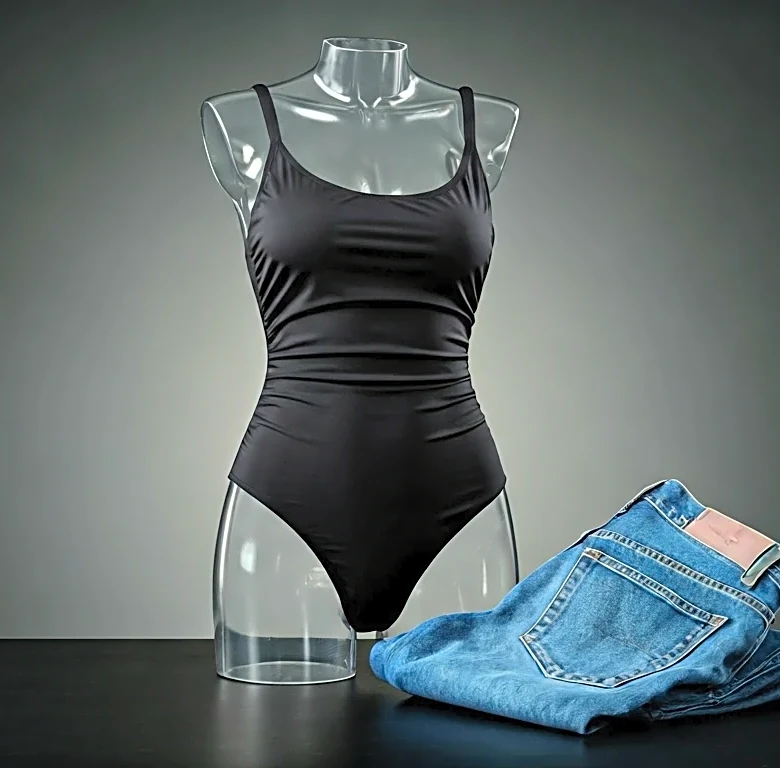
Today, the pinup reference is less about literal reproduction and more about creative interpretation. Designers are treating the classic silhouette as a canvas. You’ll see the high-waisted brief paired with a minimalist bandeau top for a modern, color-blocked look. Iconic swimwear designer Norma Kamali, a master of ruching, uses the technique on sleek, contemporary one-pieces that feel more architectural than retro. High-fashion brands might take the halter-neck one-piece and add a dramatic side cutout or craft it from high-tech, sustainable fabrics in bold, digital prints. Even mainstream retailers like J.Crew and Andie incorporate the high waist and structured bust into their collections, proving the silhouette's commercial power. The updates are constant: new textures like crinkled or ribbed fabrics, asymmetrical necklines on a classic form, or sporty elements like zippers and mesh panels. The core DNA—flattering the form—remains, but the execution is purely 21st century.