



The Last Hope for Peace
Before the blood and fire truly began, there was a fleeting moment of restraint. In the wake of King Viserys’s death, the realm split in two. In King’s Landing, the Greens crowned Aegon II, usurping the throne. On Dragonstone, the Blacks crowned Rhaenyra,
the named heir. Yet, Rhaenyra, heeding her father's desperate wish for unity, chose diplomacy over dragonfire. She sent her sons, Jacaerys and Lucerys, as envoys—not soldiers—to secure the allegiance of Westeros’s great houses. Lucerys, the younger and gentler of the two, was dispatched to Storm’s End, the seat of the notoriously prickly House Baratheon. It was a mission of peace, a final attempt to honor her father’s memory and avoid a catastrophic civil war. The entire conflict teetered on a knife's edge, and the showrunners made us believe, for a moment, that words might still prevail.
A Debt Is Owed
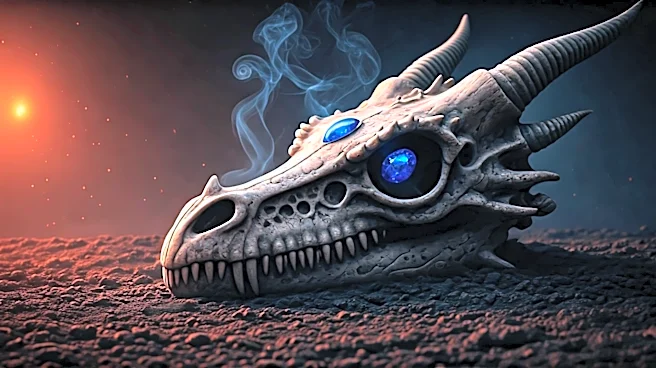
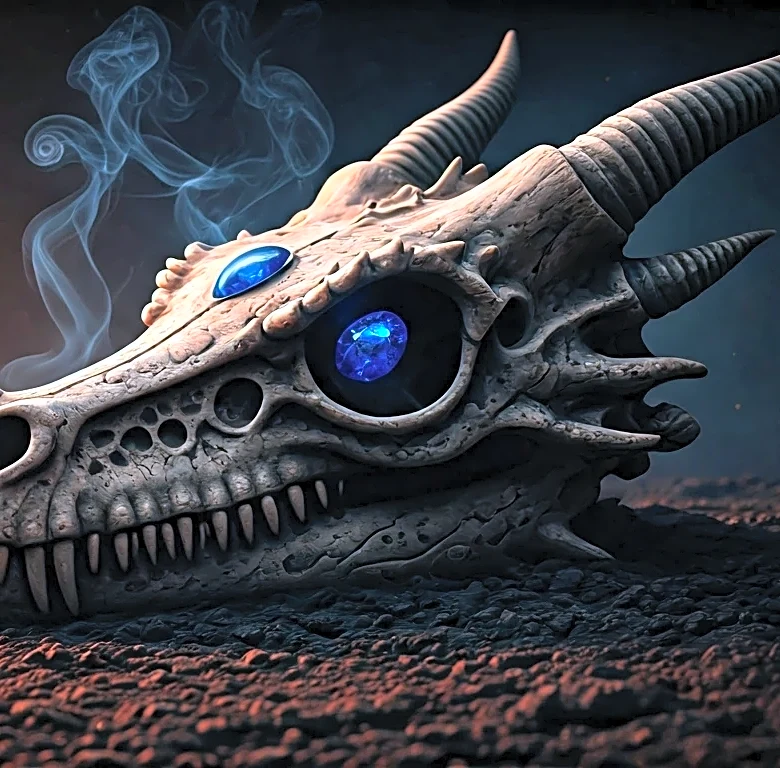
But peace was never an option. When Lucerys arrives at Storm's End, he finds his uncle, Aemond Targaryen, already there, having beaten him to it. The tension is immediate and suffocating. This isn't just a political negotiation; it's a family feud boiling over. Aemond, standing tall with his sapphire eye, is a living monument to childhood grievances. Years earlier, a young Luke was involved in the fight that cost Aemond his eye. Aemond never forgot. As Lord Borros Baratheon dismisses Luke, Aemond seizes his chance. 'I want you to put out your eye,' he demands, a chilling echo of the childhood promise of revenge. Here, the show masterfully presents the Green perspective. For them, Aemond is not merely a bully; he's a victim demanding justice. Luke represents the impunity and privilege the Blacks have always enjoyed. For anyone leaning Green, this confrontation is righteous payback long overdue.
An Accident or an Escalation?
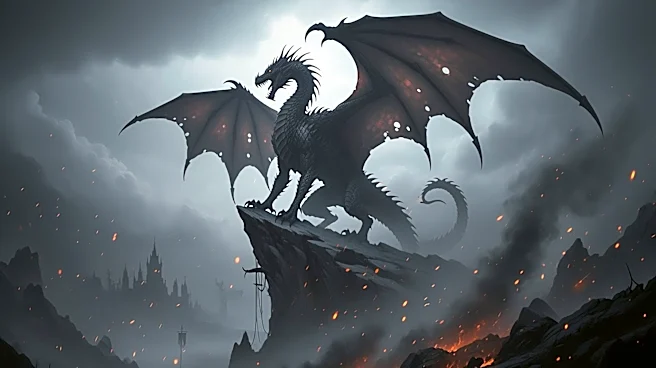
This is where the line is drawn. After being denied his eye-for-an-eye retribution, Aemond mounts his colossal dragon, Vhagar—the oldest and largest in the world—and pursues Luke and his much smaller dragon, Arrax, into the storm. What happens next is the crux of the entire debate. Aemond taunts and terrorizes his nephew, but his dialogue suggests he intends only to scare him. 'I'm not your lord, you little cunt,' he sneers, but he doesn't seem to command Vhagar to attack. Then, Arrax, terrified, breathes a defiant puff of fire at the larger beast. That's when instinct takes over. Vhagar, a living weapon of mass destruction, ignores Aemond's panicked cries of 'No!' and devours both Arrax and Lucerys in a single, brutal bite. Was it murder, the inevitable result of Aemond’s sadistic chase? Or was it a tragic accident, a case of a boy playing with a power far beyond his control? The scene is deliberately ambiguous. Aemond’s shocked face provides just enough evidence for Team Green to claim his innocence, while the sheer malice of his pursuit gives Team Black all the proof they need of his guilt.
The Point of No Return
Regardless of intent, the outcome is the same: kinslaying, the ultimate sin in Westeros. The death of Lucerys Velaryon is the story's point of no return. It’s the single act that makes the Dance of the Dragons not just possible, but inevitable and necessary. Any lingering hope for reconciliation, any path to a negotiated settlement, is obliterated in that storm. The news of Luke's death reaches Rhaenyra not as a report, but as a piece of her son's dragon washing ashore. The final shot of the season is not of armies marching or dragons burning cities; it's a tight close-up on Rhaenyra’s face. Her initial shock melts away into profound grief, which then hardens into a cold, terrifying resolve. The measured queen is gone, replaced by a vengeful mother. The war is no longer about a crown or a political principle. It’s personal. And in that moment, the show turns to the audience and asks: now who are you with?