





The Annual Fan Civil War
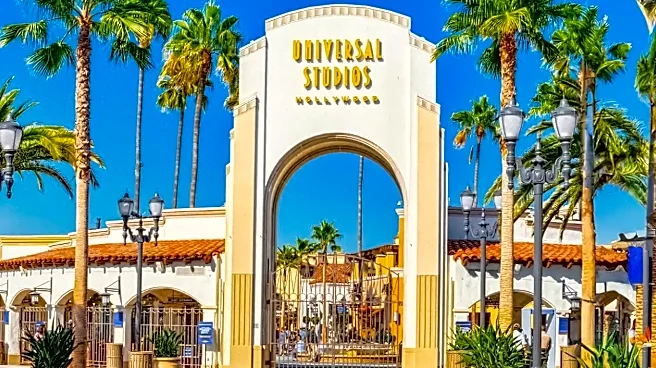
For the uninitiated, Halloween Horror Nights (HHN) is Universal Studios' premier seasonal event, a month-long celebration of fear where parts of the theme park are transformed into a terrifying playground. The main draws are the haunted houses—elaborate,
movie-set-quality walk-throughs packed with scare-actors and stunning special effects. And every year, as the new lineup is announced, the same debate reignites online: which are better, the original concepts born from the minds of Universal's creative team, or the houses based on existing intellectual properties (IPs) like movies, TV shows, and video games? Fans passionately argue the merits of each, but the core of the disagreement isn't really about which is superior. It’s about the two powerful, yet fundamentally different, types of anticipation that drive the entire experience.
The Thrill of the Familiar
IP houses are the headliners, the big-ticket draws that get mainstream attention. Think walking through the Upside Down from Stranger Things, navigating the fungal-infected world of The Last of Us, or coming face-to-face with Michael Myers. The anticipation here is one of recognition and translation. Fans know the source material intimately, and the excitement comes from seeing how Universal’s designers will bring that world to life. Will they nail the look of the Demogorgon? Can they replicate the oppressive atmosphere of the Hill House? The thrill is in the fidelity. You anticipate specific scenes, characters, and scares. It's the joy of seeing a favorite story made real, of stepping through the screen and into a world you already love and fear. This kind of anticipation is about fulfillment—seeing your expectations met in a spectacular, tangible way. It’s a powerful draw, turning a passive viewing experience into an active, terrifying one.
The Terror of the Unknown
Original houses, on the other hand, are built on the anticipation of pure discovery. These are the unique stories and characters that have become legends in their own right within the HHN community. Think of iconic figures like Jack the Clown, The Storyteller, or The Caretaker, or wholly unique concepts like a theater of killer puppets or a realm ruled by a pumpkin lord. With an original house, there are no preconceived notions. Every corner turned is a complete surprise. The anticipation isn't about seeing something you recognize; it's about having absolutely no idea what's coming next. This is where Universal's creative team gets to unleash its full, unconstrained imagination, building worlds from scratch. Fans who champion original houses are craving that raw, unpredictable fear. They're seeking the thrill of a brand-new nightmare, a story that can only be experienced by walking through it. This anticipation is about suspense in its purest form.
Why the Event Needs Both
Ultimately, the beauty of Halloween Horror Nights lies in the balance between these two experiences. The IP houses serve as the massive, marketable anchors that draw in casual fans and first-timers. They provide a shared cultural touchstone, a reliable promise of what the event offers. But the original houses are the creative soul of HHN. They are the proving ground for new ideas, the source of enduring event-specific lore, and the reason die-hard fans return year after year for something they can't get anywhere else. One provides the comfort of the familiar turned horrifying, while the other offers the exhilarating terror of the completely unknown. Without the big-name IPs, the event might struggle to attract the massive crowds it does. Without the original concepts, it would lose the creative identity that has cultivated such a dedicated, passionate fanbase over three decades.