



The Sneaker Bubble Finally Bursts
Let’s be clear: sneakers aren’t disappearing. You’ll still see plenty of vintage-style Adidas Sambas and Onitsuka Tigers. What’s fading is the era of sneaker *hegemony*—the period when the loudest, chunkiest, most exclusive sneaker was the undisputed
king of footwear. For nearly a decade, fashion was dominated by the hype cycle: limited-edition drops, eye-watering resale prices, and a constant pressure to have the 'it' shoe. The Balenciaga Triple S, the Off-White x Nike collaborations, the Yeezy empire—they defined a maximalist, logo-driven moment in time. But as with all bubbles, it had to burst. The endless cycle created fatigue. Consumers grew tired of the same silhouettes in different colorways, and the aesthetic started to feel less like a personal style choice and more like a uniform for chasing trends. The sneaker became less a symbol of insider cool and more a mark of mass-market aspiration. The pivot away was inevitable.
Enter 'Quiet Luxury' Footwear
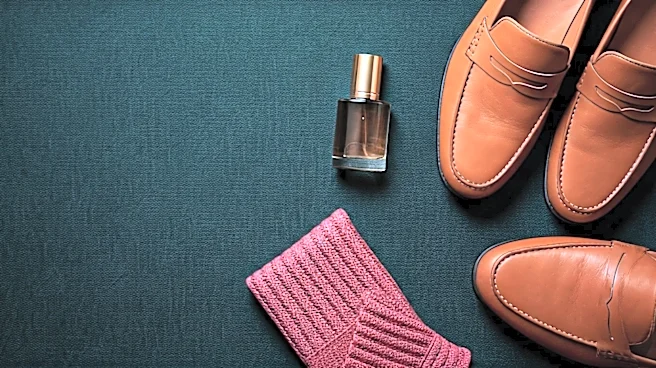
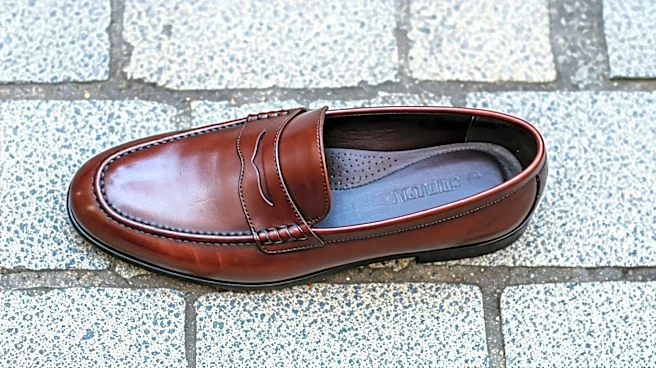
The cultural pendulum is swinging back toward something more subtle and enduring, and the loafer is the perfect vessel for this shift. It’s the footwear equivalent of the 'quiet luxury' or 'stealth wealth' trend that has taken over fashion. A well-made leather or suede loafer doesn’t need a prominent logo to signal its value. Its quality is communicated through its craftsmanship, its material, and its timeless silhouette. Think of brands like The Row, Lemaire, or classic makers like G.H. Bass & Co. and Tod's. Their appeal lies in their understated elegance. A loafer says, 'I invested in quality, not hype.' In a post-pandemic world where many are rethinking their consumption habits, the loafer represents a move toward a more sustainable and intentional wardrobe—buying fewer, better things that will last for years, not just a season. It’s a shoe that feels both responsible and incredibly chic.
The Ultimate Wardrobe Workhorse
Beyond its cultural symbolism, the loafer’s rising importance is also about pure practicality. It is perhaps the most versatile shoe a person can own. While a running sneaker can look out of place with a tailored suit, and a dress shoe feels too formal for weekend errands, the loafer effortlessly bridges the gap. It works beautifully with wide-leg jeans, adds a polished touch to a simple dress, and provides a sophisticated anchor for office-ready trousers. This versatility is crucial for the modern Parisian wardrobe, which values pieces that can transition seamlessly from a morning market run to an afternoon museum visit and an evening apéro with friends. For Parisians, who often navigate the city on foot, the loafer offers a perfect blend of comfort and polish that the casualness of a sneaker or the impracticality of a high heel cannot match. It’s the ultimate 'one and done' shoe for a packed day.
A Return to Parisian Roots
Finally, the loafer’s resurgence in Paris is also a story of homecoming. While streetwear and sneaker culture are largely American exports that became global phenomena, the loafer has deep roots in classic French style. Icons of Parisian chic, from Françoise Hardy in the 60s to Caroline de Maigret today, have long relied on the loafer to project an image of intellectual, slightly androgynous cool. It’s the shoe of the Rive Gauche, of artists and writers who value style but are too busy living to be consumed by fleeting trends. By embracing the loafer over the sneaker, Parisians are not just adopting a new trend; they are reclaiming a piece of their own sartorial identity. It’s a quiet rebellion against the homogenization of global fashion, a reminder that the most powerful style statements are often the ones that whisper rather than shout.