




The Blueprint: Ascot and the Rules of Glamour
For over a century, the gold standard for formal day-wear, at least in the popular imagination, has been something akin to the Royal Ascot dress code. This is a world of stringent rules built on tradition and propriety. For women in the most exclusive
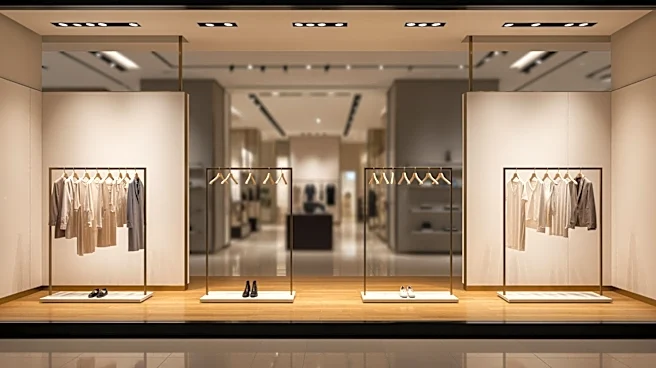
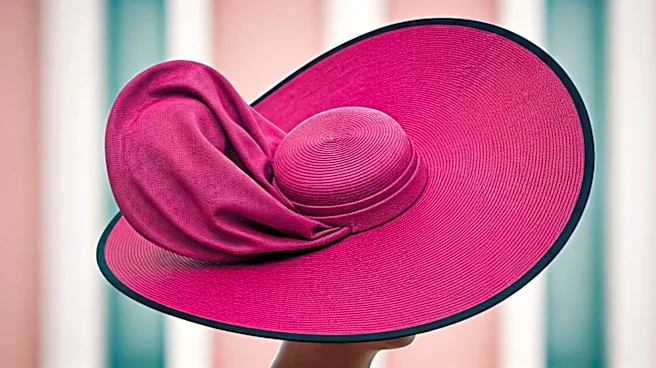
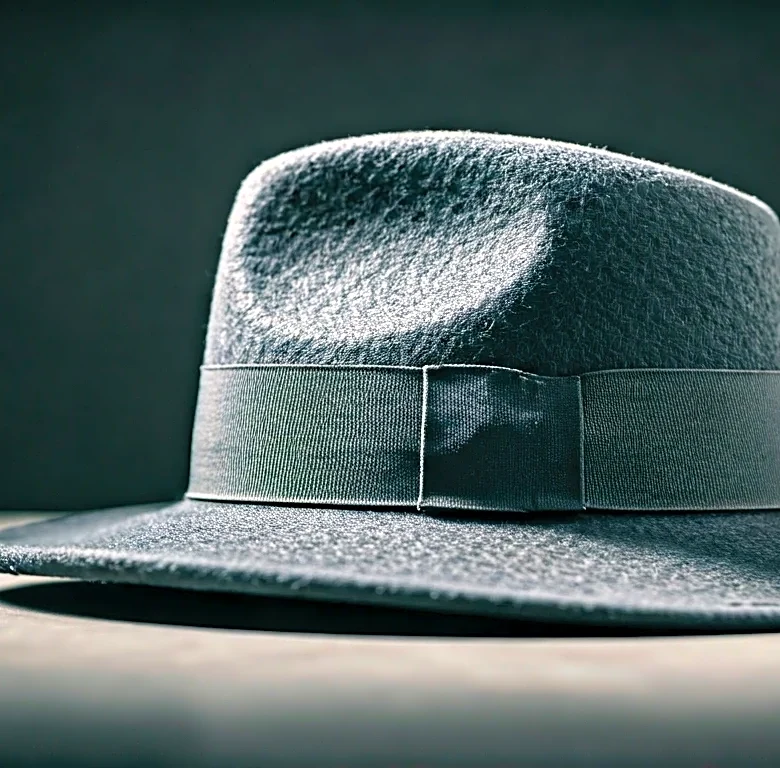
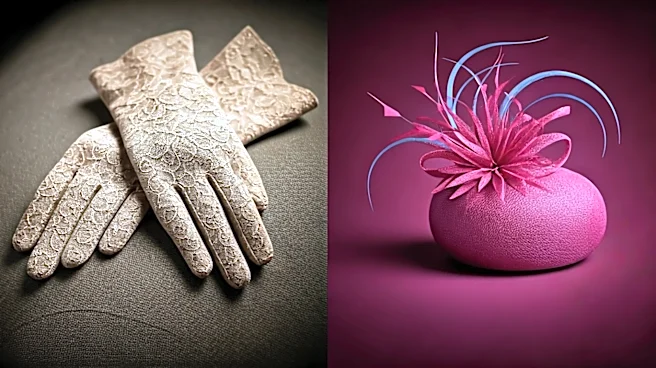
enclosures, this means dresses of a “modest length” (falling to the knee or longer), straps of at least one inch, and, most iconically, a hat. Trousers are allowed, but they must be full-length. The goal isn’t to stand out with shock value, but to blend in with unimpeachable elegance. The aesthetic prizes structure, quality fabrics, and a silhouette that telegraphs respect for the institution. This is the fashion of heritage brands, of investment pieces, of tailoring. It’s a statement that says, “I understand the rules, and I am playing the game beautifully.” It’s less about personal expression and more about participating in a shared, historic performance of what it means to be “dressed up.”
The Algorithm's Outfit: TikTok's Chaotic Chic
Enter the TikTok-era alternative. Here, the only rule is that there are no rules—or rather, the rules change every three to five business days. TikTok occasionwear is a dizzying kaleidoscope of micro-trends, influencer-led aesthetics, and the endless scroll of fast-fashion “dupes.” One week, the ideal wedding guest is channeling “coastal grandmother” in linen separates; the next, she’s embracing the “mob wife” aesthetic with faux fur and animal prints. The driving force is not tradition, but virality. The process isn't a quiet consultation with a tailor; it’s a public “Get Ready With Me” video debating between three near-identical, algorithm-approved dresses from a recent haul. This world is defined by speed, disposability, and a playful deconstruction of what formalwear even means. A cutout here, an unexpected fabric there—it’s all about creating a “moment” for the camera, an outfit that is, above all, content.
Philosophy: Fitting In vs. Standing Out
The divide runs deeper than hemlines and hats; it’s a fundamental difference in philosophy. The Ascot model is about social cohesion. Its glamour is derived from its uniformity and the collective buy-in to a shared standard of beauty and decorum. You are beautiful because you are an exemplary part of a beautiful whole. Your outfit is a nod to history and a sign of respect for the event itself. TikTok fashion, on the other hand, is rooted in radical individualism. The goal is to curate a unique personal brand, to express an identity that is fluid, referential, and distinctly *yours*—even if that identity is borrowed from a 15-second clip. It’s not about respecting the institution of “a wedding” or “a party”; it’s about using that event as a backdrop for your own main-character moment. The ultimate compliment is not, “You look so appropriate,” but, “OMG, where did you get that?”
The Economics of Dressing Up
Money talks, and in fashion, it shouts. Vintage glamour presumes an economy of investment. A well-made dress, a classic hat, or a perfectly tailored suit jacket is seen as a long-term purchase, something to be cared for and worn across multiple seasons and events. It’s the logic of “cost per wear.” The economics of TikTok are the polar opposite. Fueled by the hyper-affordable and endlessly churning cycles of ultra-fast fashion giants like Shein and Temu, this is an economy of disposability. An outfit can be acquired for less than the cost of lunch, worn once for the perfect Instagram photo, and never seen again. This accessibility democratizes trend-chasing, allowing anyone to participate in the latest aesthetic, but it also fundamentally changes our relationship with our clothes, turning them from cherished objects into one-time-use content props.
A Bridge Across the Divide?
Of course, the line is never as stark as it seems. The internet isn’t a monolith, and neither is tradition. We see younger royals and Ascot attendees pushing the boundaries, incorporating modern silhouettes, bolder colors, and more playful headbands in place of wide-brimmed hats. They are injecting personality into the uniform. Conversely, one of TikTok’s most enduring trends is the “old money aesthetic,” a Gen Z performance of the very same quiet luxury and timeless classicism that Ascot glamour embodies. They may be achieving it with thrifted blazers and fast-fashion dupes, but the aspiration is the same: to look effortlessly, timelessly elegant. It seems that while the methods and the materials have changed, the fundamental human desire to dress up, to transform, and to tell a story with our clothes remains a constant, whether you’re following a century-old dress code or a ten-second trend.