








The Case of the Instant Binge
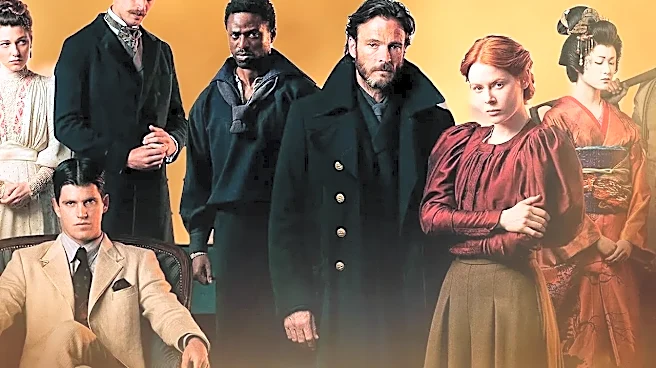
The ensemble mystery is built for the modern, fragmented way we watch television. Think of recent hits like Only Murders in the Building or The White Lotus. The formula is potent: a compelling, easily summarized crime, a large cast of potential suspects
(and victims), and a central puzzle that begs to be solved. This structure is a gift to social media, launching a thousand Reddit threads and TikTok theories before the second episode even drops. The hook is immediate and external. We aren’t asked to invest deeply in one person’s soul right away; instead, we’re invited to play a game. The sprawling cast offers multiple entry points—if you don’t connect with one character, there are ten others to pique your interest. This makes the barrier to entry low and the potential for broad, shareable appeal incredibly high.
The Slow-Burn Connection
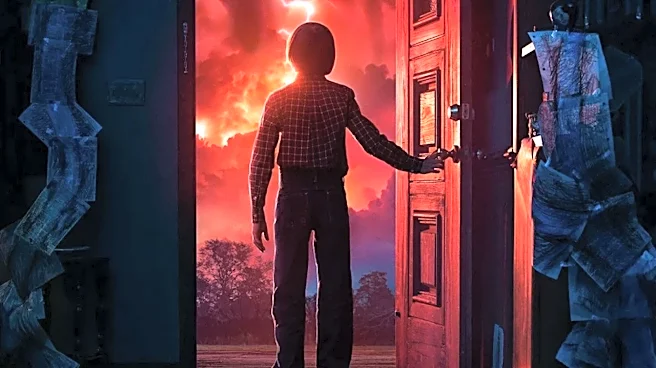
On the other side of the ring is the character study. These are the shows that ask for your patience, promising a deeper reward. Series like The Bear or Severance don't grab you with a single, high-concept plot point. Instead, they introduce you to a fascinating, flawed, and often troubled protagonist and ask you to sit with them. The hook is internal and emotional. It’s about understanding a person’s motivations, fears, and desires. This approach requires more upfront commitment from the viewer. The first few episodes might feel slow as the show carefully lays its emotional groundwork. Unlike the instant buzz of a mystery, the character study builds its audience more gradually, often through critical acclaim and word-of-mouth that praises its depth and nuance.
The Verdict in the Age of Distraction
So, which gets the faster hook? In the battle for immediate viewership in a crowded August premiere season, the ensemble mystery has a clear advantage. Its structure is perfectly tuned for an attention economy defined by multitasking and a desire for communal, real-time experiences. The central question—“whodunit?”—is a powerful engine for engagement that a character study, by its very nature, cannot replicate in its opening hours. The mystery is a shareable event; it provides concrete clues, red herrings, and cliffhangers that are easy to discuss and dissect online. Viewership trends show audiences are often overwhelmed by choice, making a simple, compelling hook more valuable than ever. The promise of solving a puzzle is a more direct and faster pitch than the promise of slowly getting to know someone.
But What About Staying Power?
However, a fast hook isn't the whole story. While an ensemble mystery might win the premiere weekend, the deep, emotional investment required by a character study often fosters a more loyal, passionate fanbase over the long haul. The connection viewers form with a single, well-drawn character can be more profound and lasting than the fleeting satisfaction of solving a puzzle. Furthermore, the best modern shows often blur these lines. Many series that seem like character studies have ensemble casts supporting the lead, and many great mysteries are, at their heart, deep explorations of the characters involved. A show may hook you with a mystery but keep you with its characters, proving that while a fast start is valuable, it's the emotional depth that ultimately leads to a lasting legacy.