




The Digital Detectives of Documentary
Before a single frame of a historical documentary can be edited, someone has to find it. That job falls to the archival producer, a unique blend of historian, detective, and negotiator. Their role is to research, source, and manage all the archival material
a project needs, from old news clips and photographs to home movies and obscure audio recordings. It’s a painstaking process that goes far beyond a simple internet search. They are professional researchers who navigate complex databases, build relationships with libraries and museums, and sometimes track down personal collections stored in attics and basements. They are an integral part of the storytelling team, working with directors and editors to find materials that not only illustrate a point but drive the entire narrative.
More Than Just Historical B-Roll
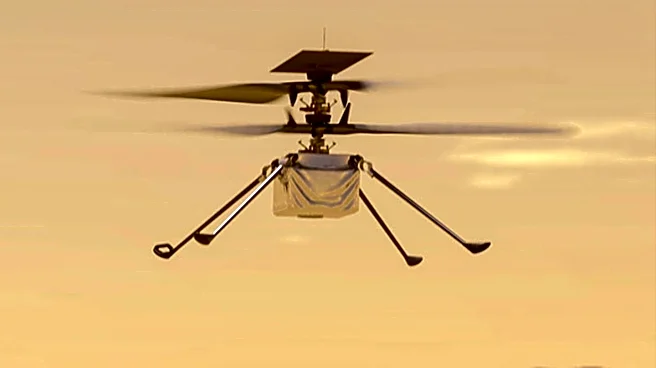
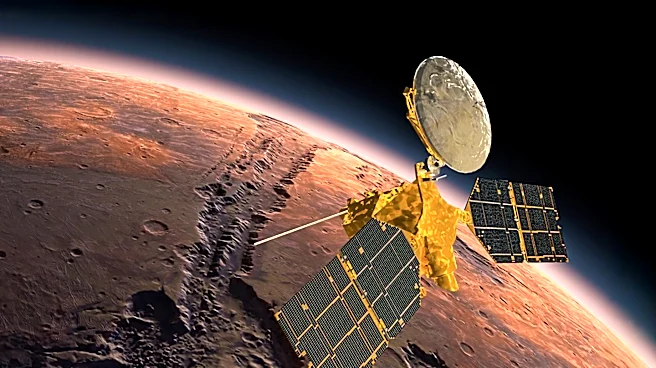
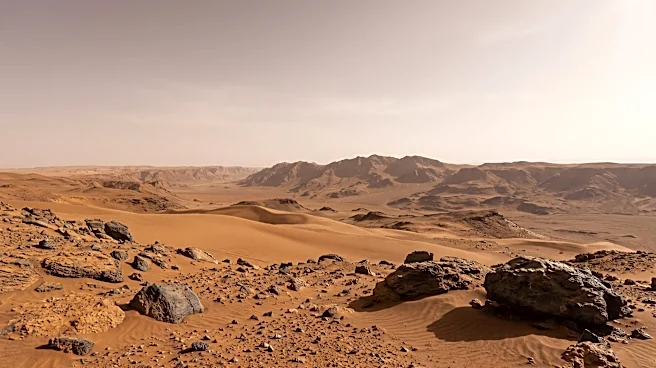
The best nonfiction series don't just use archives as filler; they use them to build character, create suspense, and land emotional punches. Think of ESPN's “The Last Dance,” which won the Emmy for Outstanding Documentary or Nonfiction Series. While the interviews with Michael Jordan were the engine, the series was powered by a “treasure trove of archival footage” that transported viewers directly into the drama of the 1997-98 Chicago Bulls season. Similarly, the documentary "Good Night Oppy" used archival footage from NASA engineers, combined with CGI, to create a deeply emotional connection to a Mars rover, making a machine feel like a beloved character. This is where archival research becomes an art: finding the specific clip that reveals a person's true character or the forgotten angle that changes how we see a well-known story.
From Dusty Bins to the Emmy Stage
So how does this grueling work translate to Emmy gold? Because authenticity, texture, and surprise are what separate a good documentary from a great one. Vintage footage provides a visceral connection to the past that modern reenactments often lack. An archival producer might unearth a piece of film that no one has seen in decades, providing a documentary with its signature moment—the kind of reveal that generates buzz and captures the attention of awards voters. In an era saturated with content, a never-before-seen clip can make a project feel essential and definitive. The work of an archival producer lends the final product a credibility and depth that is immediately apparent, elevating the entire production to a level worthy of the industry's highest honors.
The High Stakes of Hunting History
The job isn't without its massive challenges. Archival producers must navigate a minefield of licensing fees, rights clearances, and legal risks. Every second of footage, every photograph, and every audio snippet must be legally cleared for use, often involving complex negotiations and significant budget allocations. They also face ethical dilemmas, especially as AI-generated “historic” images become more common, requiring producers to be vigilant in verifying the authenticity of their materials. This behind-the-scenes scramble is crucial; getting it wrong can lead to budget overruns or legal trouble, but getting it right ensures that the story can be told powerfully and accurately, securing the project's legacy.