



The Case for Comfort and Timelessness
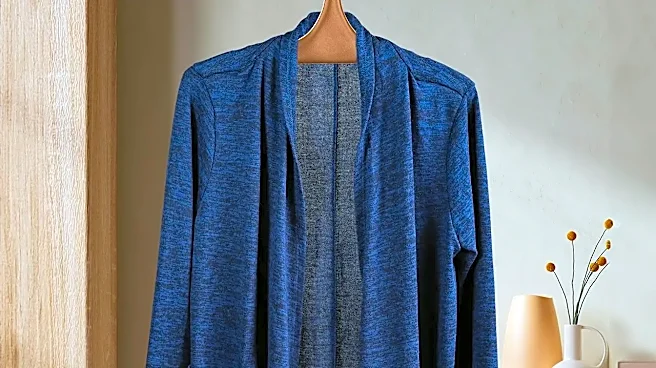
For one faction of designers, the cardigan is the perfect garment. Its appeal lies in its inherent democracy and quiet confidence. This group argues that the ultimate goal of design is to serve the wearer, and what serves better than a versatile, unpretentious
layer? The cardigan is adaptable, easily dressed up or down, and transcends fleeting trends. It was originally a piece of practical military wear from the 19th century and was later championed by Coco Chanel for its effortless chic. This school of thought sees the cardigan not as a lack of a statement, but as a statement of self-assurance. It doesn’t scream for attention. Instead, it offers warmth, comfort, and a timeless functionality that allows the wearer’s personality to shine through. To them, a well-made cardigan is a triumph of user-centric design—it’s approachable, reliable, and enduringly stylish.
The Argument Against Formlessness
On the other side of the debate are the structuralists, designers who believe clothing’s primary role is to create a powerful silhouette and express a distinct point of view. To this camp, the traditional, slouchy cardigan can feel like a design surrender. They argue its soft, unstructured nature often reads as sloppy or dated, obscuring the body rather than celebrating it. For these designers, a garment should have intent, shape, and a defined form. The classic, loose cardigan is sometimes seen as the antithesis of this—a cozy compromise that prioritizes comfort at the expense of aesthetic ambition. They might point to poorly proportioned, long, and shapeless cardigans as evidence of how the garment can drag down an entire look, making it feel frumpy and unconsidered. For them, fashion should challenge and sculpt, not just swaddle.
A Philosophical Divide in Stitches
This disagreement isn't really about a single piece of knitwear; it's a proxy war for two competing design philosophies. Is the purpose of clothing to act as a supportive, functional shell for a person’s life? Or is it to act as a wearable piece of art that transforms and makes a statement? The pro-cardigan camp champions accessibility, longevity, and democratic style. The anti-cardigan camp champions vision, structure, and the power of a strong silhouette. This tension has been part of the cardigan's history. In the 1940s and '50s, women at colleges adopted oversized men's cardigans, which were dubbed "Sloppy Joe" sweaters. This was seen as an act of rebellion against prescribed femininity, praised by those who saw it as liberating and condemned by those who saw it as a moral failing that obscured the female form.
The Modern Reinvention
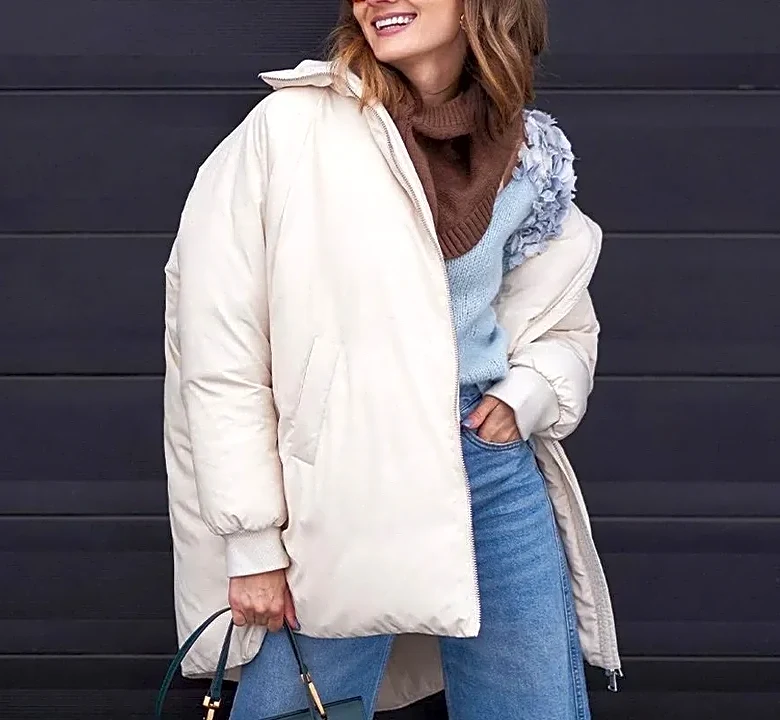
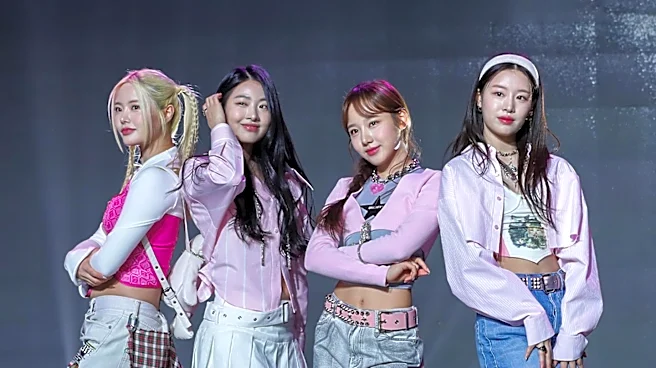
Today, a new generation of designers is actively working to bridge this divide, proving the cardigan can be both comfortable and conceptually strong. The runways for 2026 are filled with reimagined cardigans that defy easy categorization. We are seeing cardigans with tailored, polo-style collars, cropped silhouettes that define the waist, and heavy-gauge, textured knits that function as structured outerwear. Designers are experimenting with form, treating the cardigan as a focal point rather than an afterthought. Styles from Miu Miu have been worn off-the-shoulder to be deliberately alluring, while other brands are creating polished cardigan-jackets that offer a sharp, modern feel. These modern interpretations prove the debate is pushing the garment forward, creating versions that satisfy both the desire for comfort and the need for a clear, intentional aesthetic.