
The Front Row's Quiet Rebellion
Imagine the scene: a throng of photographers outside a show, the air crackling with the hunt for the perfect shot. The subjects are a mix of editors, influencers, and celebrities, all dressed to be seen. Historically, this meant one thing: wearing something
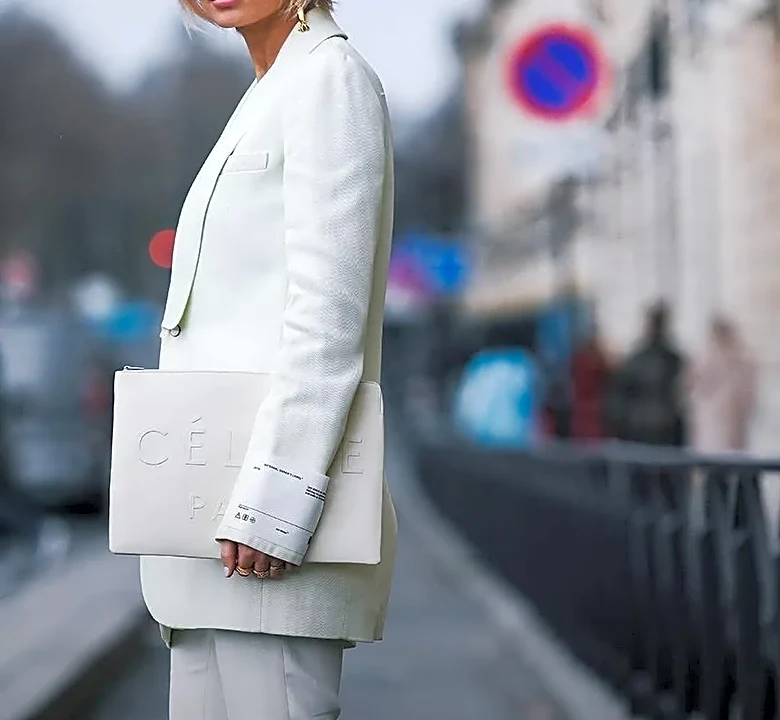
brand new, often pulled directly from a designer’s latest collection. But look closer during the Spring/Summer 2027 shows, and a different story emerges. It’s the subtle art of the rewear. It might be a notable editor restyling a favorite jacket from a past season or an influencer repeating a pair of statement trousers at multiple events. This isn't about a lack of options; it's a deliberate choice. Style guides and commentators are even beginning to endorse the practice, with some noting that repeating key pieces is not only acceptable but a sign of true personal style. This shift transforms an outfit from a disposable, single-use costume into a cherished part of a personal uniform. In the high-stakes world of fashion week, where every look is scrutinized, choosing to wear something you’ve worn before is a powerful statement against the relentless churn of trends.
Deconstructing the 'Logic' of Newness
To understand why re-wearing is so significant, you have to understand the system it pushes back against. The modern fashion industry was built on a framework of predictable seasons: Spring/Summer and Autumn/Winter. These weren't just about aligning with the weather; they were powerful economic engines. This cycle created a constant, manufactured demand for new products, suggesting that last year's wardrobe was somehow obsolete. This drumbeat of “newness” was amplified by retailers, magazines, and eventually, social media, creating a culture where being fashionable was synonymous with constant consumption. The industry even expanded the calendar to include Pre-Fall and Resort/Cruise collections to keep the flow of products coming. This relentless pace is the very definition of single-season dressing: the idea that clothes are meant for a moment, not a lifetime.
A Smart Investment in a Shifting Market
The move toward re-wearing isn't just an ideological stand; it’s also a savvy economic decision, reflecting broader changes in consumer behavior. Younger generations, in particular, are increasingly viewing their apparel purchases as investments. The booming designer resale market is a testament to this, with shoppers understanding that high-quality pieces can retain or even increase in value. This mindset inherently favors timeless, well-made garments over disposable fast fashion. Why buy a cheap item that has no resale value when you can invest in a piece that can be worn for years and potentially resold later? This September's NYFW also heavily features designers who champion sustainability not as a marketing gimmick, but as a core part of their brand. Designers like Conner Ives, who builds his practice on upcycled materials, and heritage brands like Coach, which focuses on circularity by repurposing vintage leather, are being celebrated. Their rising prominence signals that the American fashion establishment is actively elevating brands whose clothes are built to last beyond a single season.
From Trend Cycle to Personal Style
Ultimately, the re-wearing trend at NYFW is about reclaiming fashion as a tool for personal expression rather than a measure of consumption. For years, the pressure at Fashion Week was to dress for the stereotype: an aggressively camera-ready look that often felt more like a costume than an outfit. But the reality of attending shows—long days, running between venues, and unpredictable weather—has always been at odds with that fantasy. The most convincing style now comes from a place of authenticity. Seeing influential figures confidently repeat a beloved coat or a perfectly-fitting pair of trousers sends a clear message: style isn't about having an endless supply of new clothes, but about knowing how to wear the ones you love. It’s a shift from chasing fleeting trends to cultivating a signature look. This change, starting from within the industry's most visible event, has the power to ripple outward, giving everyone permission to find joy not in the next purchase, but in the creativity of their own closet.