









The Anatomy of a 'Choke'
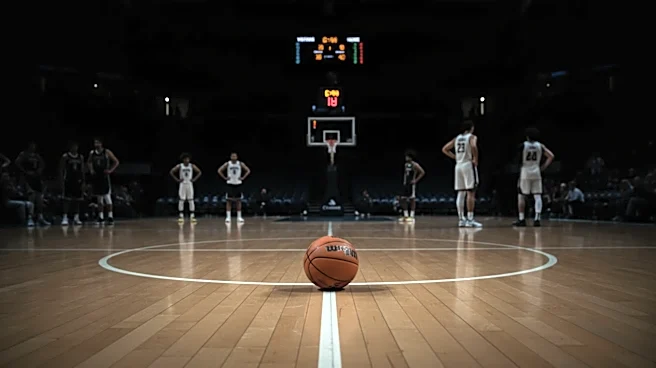
We’ve all seen it. The star player, with the game on the line, misses a shot they could make in their sleep. Sportscasters call it 'choking,' a sudden drop in performance when it matters most. It's not a question of talent; it's a battle happening within
the athlete's own mind and body. The pressure of a championship, the scrutiny of millions of fans, and the fear of negative evaluation can turn a routine physical act into a monumental mental challenge. This phenomenon isn't about lacking skill. It's about the overwhelming psychological weight of the moment hijacking the body's ability to perform actions that are normally automatic.
When Your Brain Thinks Too Much
The irony of choking is that it often stems from trying too hard. Most elite athletic skills, like shooting a basketball or kicking a soccer ball, are stored in a part of the brain that governs procedural memory—they're automatic. But under intense pressure, the brain's prefrontal cortex, responsible for conscious thought and decision-making, can go into overdrive. Instead of letting muscle memory take over, the athlete starts to over-analyze every little movement. This 'paralysis by analysis' disrupts the fluid, unconscious motion that they have perfected through countless hours of practice. A simple shot is no longer simple; it becomes a series of complex instructions that the body can't execute smoothly, leading to the very error the athlete was desperately trying to avoid.
A Body at War With Itself
As the mind races, the body responds with a flood of stress hormones like adrenaline and cortisol. This is the body's 'fight or flight' response kicking in. While useful for escaping danger, it's terrible for tasks requiring fine motor skills. The heart rate skyrockets, breathing becomes shallow, and muscles tighten up. For an athlete, this is a disaster. The tense muscles in a golfer's forearms can ruin a delicate putt. A basketball player’s tightened shoulders can alter the arc of a free throw. This physiological response is the body trying to protect itself, but in doing so, it sabotages the very precision the athlete needs to succeed.
Forging Mental Fortitude
If pressure is inevitable, how do the greats consistently come through in the clutch? The answer lies in mental training, which has become as crucial as physical conditioning for elite athletes. Many use pre-performance routines—a specific sequence of actions, like a few dribbles before a free throw—to create a sense of familiarity and block out distractions. Visualization is another powerful tool; athletes mentally rehearse the high-pressure scenario over and over, so when the moment arrives, it feels like they’ve been there before. Breathing techniques help regulate the nervous system, calming the body and clearing the mind. By practicing under simulated pressure and reframing anxiety as readiness, they learn not to eliminate stress, but to control their response to it.